
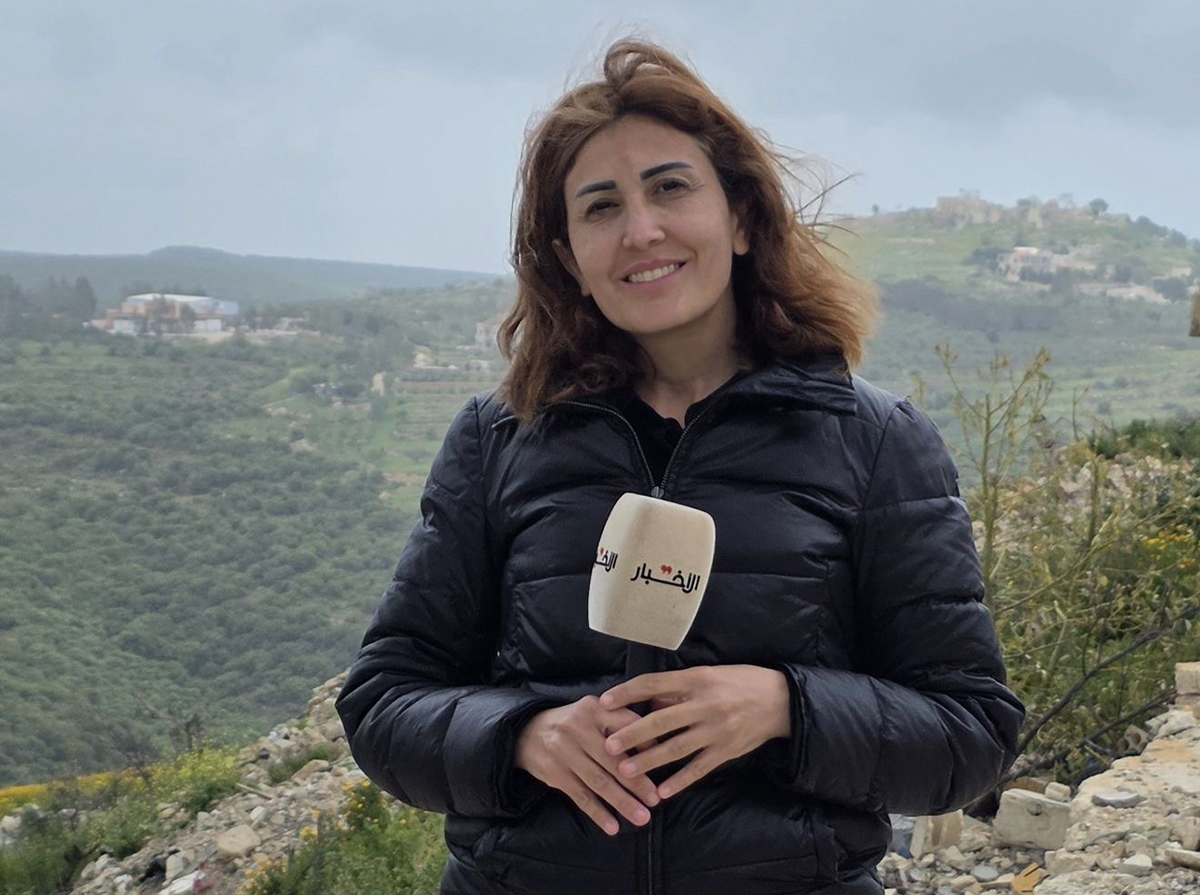
The global journalistic community is demanding an immediate and transparent investigation into the death of Lebanese reporter Amal Khalil, who was killed on April 22, 2026, during an Israeli airstrike in southern Lebanon. The call for justice comes as international press freedom organizations raise alarms over the circumstances of her death and the alleged obstruction of emergency rescue efforts.
Amal Khalil, a courageous correspondent for the Al-Akhbar
newspaper, was targeted while seeking shelter in the town of Al-Tayri according to reports from KPFA. Khalil had survived an initial drone strike on a nearby vehicle before seeking refuge in a residential building, which was subsequently hit by an Israeli bomb as detailed by Flashpoints.
The tragedy has sparked a diplomatic push for accountability. David Walmsley, President of the World Editors Forum and WAN-IFRA, has written directly to Israeli Prime Minister Benjamin Netanyahu to demand a formal inquiry into the event. The request focuses on two critical areas: a documented threat made to Khalil’s life from an Israeli phone number and the specific military actions that led to her death and the subsequent failure to grant medical access to rescue teams.
The timing of these demands coincides with the approach of World Press Freedom Day on May 3, a date that underscores the precarious safety of journalists operating in conflict zones. For the global editor community, the killing of Amal Khalil represents a chilling precedent in the ongoing hostilities between Israel and Hezbollah.
Allegations of War Crimes and Blocked Rescue Operations
Central to the condemnation of the strike is the claim that Israeli forces actively prevented emergency teams from reaching Khalil while she was still alive. Reports indicate that Khalil remained trapped under the rubble of the targeted house for several hours. The Lebanese army and Red Cross rescue workers eventually recovered her body approximately six hours after the strike according to Common Dreams.
Press freedom advocates argue that the obstruction of these rescue operations may constitute a violation of international humanitarian law. Under these frameworks, the deliberate prevention of medical aid to wounded non-combatants can be classified as a war crime. Multiple reports suggest that shelling and direct fire were used to deny access to the area, effectively sealing the fate of the trapped journalist.
In a letter to the Prime Minister, David Walmsley emphasized that the circumstances of Khalil’s death are unsettling in the extreme
, noting that while reporting under threat has become a common reality for journalists in the region, the denial of medical support elevates this case to a matter of international legal concern.
A Pioneer for Women in Middle Eastern Journalism
Beyond the immediate tragedy of her death, the loss of Amal Khalil is viewed as a significant blow to the professional development of women in the MENA region. Khalil was a pioneer in her field and a member of the inaugural 2016 cohort of the Women In News (WIN) Leadership Accelerator programme, the first of its kind in the Middle East and North Africa region as stated by WAN-IFRA.

The WIN Leadership Accelerator is designed to equip women journalists with the management and editorial skills necessary to ascend to senior leadership roles in newsrooms. Khalil’s participation in this program ten years ago marked her as a leader determined to improve the prospects of journalism in Lebanon and the wider Arab world.
Colleagues have described her as a quiet leader
and a brilliant correspondent who embodied the future of the industry. Her death is seen not only as a loss of life but as an attack on the freedom of expression and the ability of journalists to tell the stories of the region, including the ongoing crisis in Gaza, unobstructed.
Timeline of Events Surrounding the Death of Amal Khalil
| Date/Time | Event | Details |
|---|---|---|
| April 22, 2026 | Initial Drone Strike | Khalil survives a drone strike on a vehicle in southern Lebanon. |
| April 22, 2026 | Residential Bombing | Israeli forces drop a bomb on the house where Khalil and a colleague had taken shelter. |
| April 22-23, 2026 | Rescue Obstruction | Rescue teams are reportedly denied access due to ongoing shelling and direct fire. |
| April 23, 2026 | Recovery | Body recovered by Lebanese army and Red Cross approx. 6 hours after the strike. |
| April 24, 2026 | Funeral | Thousands gather in Bayssariyeh, southern Lebanon, to mourn the journalist per ABC News. |
The Broader Impact on Press Freedom in Conflict Zones
The killing of Amal Khalil is being framed by global editors as part of a broader, systemic threat to journalists. The demand for a formal investigation is not merely about one individual, but about ensuring that no journalist is targeted simply for performing their professional duties. The World Editors Forum has called for a reassurance to the global community that the laws of war—specifically the protection of journalists—will be upheld.
The case highlights a recurring pattern in modern conflict where the line between combatants and media personnel becomes blurred. The allegation that Khalil received a direct threat from an Israeli phone number prior to the strike suggests a level of targeting that goes beyond collateral damage, prompting calls for a probe into the intelligence and operational decisions that led to the attack.
For those advocating for free speech, the case of Amal Khalil serves as a grim reminder that the camera and pen
provide no physical protection against high-precision munitions, but the failure to allow medical rescue remains a point of profound moral and legal outrage.
As the international community looks toward May 3, the focus remains on whether the Israeli government will respond to the request for a transparent inquiry. The global press continues to monitor the situation, insisting that the grief of the journalistic community will have no expiry date
until the truth is uncovered.
The next critical checkpoint is the expected response from the office of Prime Minister Benjamin Netanyahu regarding the formal request for an investigation into the targeting of Amal Khalil and the obstruction of her rescue.
Do you believe international law is sufficient to protect journalists in modern conflict zones? Share your thoughts in the comments below or share this article to keep the demand for justice alive.