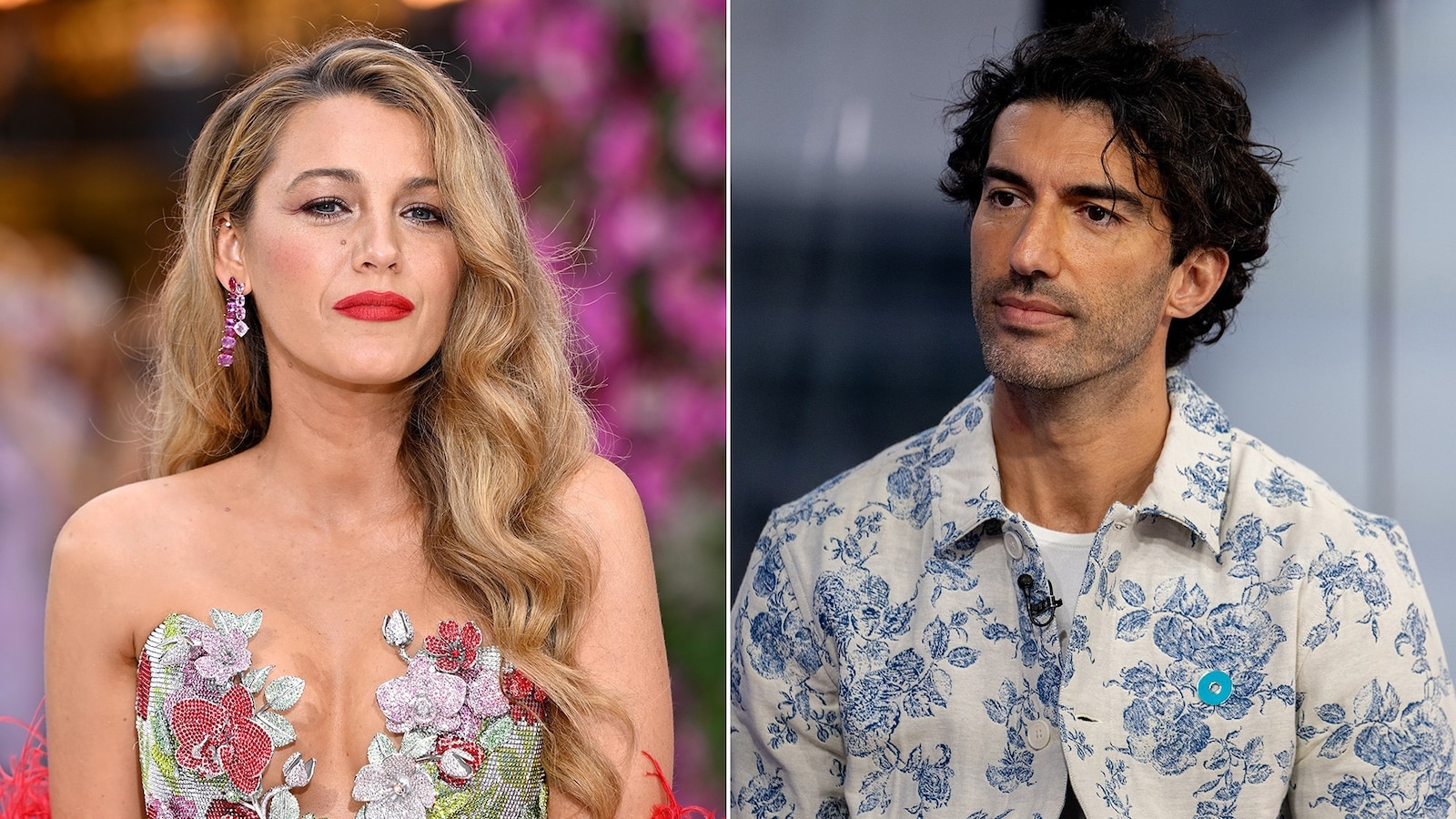
Blake Lively and Justin Baldoni Legal Teams Set for Final Pre-Trial Meeting as High-Profile Case Nears
In a high-stakes legal battle that has captivated Hollywood and corporate governance observers alike, the legal teams representing actress Blake Lively and filmmaker Justin Baldoni are scheduled to meet with a federal judge this week to finalize critical details ahead of an impending trial. The case, which centers on allegations of sexual harassment, workplace retaliation, and a coordinated reputational smear campaign, is set to begin jury selection on May 18, 2026, in the U.S. District Court for the Southern District of New York.
The upcoming pre-trial conference, presided over by Judge Lewis Liman, will address logistical matters such as the trial’s expected duration, witness sequestration protocols, and the admissibility of expert testimony and evidence. The meeting, scheduled for Tuesday, marks one of the final procedural steps before opening statements, which could be delivered as early as the first day of jury selection, according to court filings obtained by ABC News.
This trial follows a contentious legal journey that began in December 2024, when Lively filed a complaint with the California Civil Rights Department, accusing Baldoni of sexual harassment on the set of the film adaptation of Colleen Hoover’s bestselling novel, *It Ends With Us*. The lawsuit later expanded to include allegations that Baldoni and his production company, Wayfarer Studios, orchestrated a “social manipulation” campaign aimed at damaging Lively’s public image. Even as a federal judge dismissed 10 of Lively’s 13 claims in early April—including those related to sexual harassment and defamation—three key allegations remain: breach of contract, retaliation, and aiding and abetting in retaliation.
The Legal Landscape: What’s at Stake
The surviving claims in Lively’s lawsuit paint a complex picture of workplace dynamics and corporate accountability in Hollywood. The breach of contract allegation stems from Lively’s assertion that Baldoni and his production team violated agreements related to her role in *It Ends With Us*, a film that grossed over $250 million worldwide following its August 2024 release, according to Box Office Mojo. The retaliation claims allege that Lively faced professional repercussions after reporting the alleged misconduct, including being excluded from promotional events and industry opportunities.
Wayfarer Studios, Baldoni’s production company, and The Agency Group PR LLC, a public relations firm named in the lawsuit, are also defendants in the case. Lively’s legal team has accused The Agency Group of playing a central role in the alleged smear campaign, though the firm has not publicly commented on the allegations. The case has raised broader questions about the intersection of workplace misconduct, corporate reputation management, and the legal recourse available to employees in high-profile industries.
Jury Selection: A High-Profile Challenge
Jury selection is expected to be a particularly scrutinized process, given the case’s celebrity status and the sensitive nature of the allegations. Prospective jurors will be asked to complete a detailed questionnaire that probes their familiarity with the parties involved, their opinions on sexual harassment claims, and their ability to remain impartial. One question, as reported by ABC News, asks: *”Is there anything about the subject matter or nature of the allegations made by Ms. Lively—which include sexual harassment, discrimination, and retaliation—that would make it challenging for you to consider the evidence in this case with an open mind to both sides?”*

The questionnaire also includes inquiries about potential jurors’ personal connections to Lively, Baldoni, or other high-profile figures associated with the case, such as Taylor Swift and Ryan Reynolds—Lively’s husband. Jurors will be asked whether they have seen *It Ends With Us* or read the book on which We see based, as exposure to the material could influence their ability to evaluate the evidence objectively.
Why This Case Matters Beyond Hollywood
While the Lively-Baldoni trial is undeniably a celebrity-driven legal drama, its implications extend far beyond the entertainment industry. The case arrives at a time when workplace misconduct allegations—particularly those involving high-profile figures—are under intense public scrutiny. The #MeToo movement, which gained global momentum in 2017, has led to increased accountability for workplace harassment and retaliation, but legal experts note that high-profile cases often face unique challenges, including jury bias, media influence, and the complexities of proving intent in reputational harm claims.
For corporate governance observers, the case also highlights the risks associated with public relations strategies that may cross ethical or legal boundaries. Lively’s allegations of a “social manipulation” campaign raise questions about the role of PR firms in shaping public narratives and the potential legal consequences of such tactics. If proven, the claims could set a precedent for how courts address reputational harm in the digital age, where social media and online discourse can amplify or distort public perception.
the trial’s outcome could influence how production companies and studios handle internal complaints, particularly in industries where power dynamics and creative collaborations often blur professional boundaries. Legal analysts suggest that the case may prompt studios to revisit their internal policies on workplace conduct, whistleblower protections, and the use of non-disparagement clauses in contracts.
The Road Ahead: Key Dates and Next Steps
The pre-trial conference on Tuesday will set the stage for the trial’s formal proceedings. Judge Liman’s rulings on evidentiary matters and witness lists will shape the narrative that unfolds in court. Jury selection, scheduled to begin on May 18, is expected to take several days, with opening statements likely to follow immediately after a jury is seated.

For those following the case, official updates can be tracked through the U.S. District Court for the Southern District of New York’s public docket, where filings and hearing transcripts are made available. The case number, 1:25-cv-01234-LLS, can be used to search for documents related to the trial.
What to Watch For
As the trial approaches, several key developments will be worth monitoring:
- Jury Composition: The demographics and backgrounds of the selected jurors could play a significant role in how the case is perceived, particularly given the high-profile nature of the parties involved.
- Expert Testimony: The admissibility of expert witnesses, particularly those who may testify on workplace harassment, retaliation, or reputational harm, could shape the legal arguments presented by both sides.
- Media and Public Perception: Given the case’s celebrity status, media coverage and public opinion could influence the trial’s dynamics, despite judicial instructions to jurors to avoid external influences.
- Potential Settlements: While the trial is set to proceed, legal experts note that high-profile cases often reach settlements before or during trial to avoid prolonged public scrutiny. Any settlement negotiations, however, would likely remain confidential.
Conclusion: A Trial with Far-Reaching Implications
The Lively-Baldoni trial is more than a celebrity legal battle; it is a case that touches on critical issues of workplace conduct, corporate accountability, and the legal recourse available to employees in industries where power imbalances are often magnified. As jury selection approaches, the proceedings will offer a rare glimpse into how the legal system navigates allegations of misconduct in high-profile, high-stakes environments.
For now, the next confirmed step in this legal saga is the pre-trial conference on Tuesday, where Judge Liman will finalize the trial’s parameters. As the case unfolds, it will undoubtedly spark broader conversations about the responsibilities of employers, the role of PR in crisis management, and the protections afforded to employees who speak out against misconduct.
We will continue to follow this story closely. Share your thoughts in the comments below—how do you suppose this trial might influence workplace policies in Hollywood and beyond?
Worth a look