The Art of the Protest: Why Some NFL Quarterbacks Draw More Roughing-the-Passer flags Than Others
The NFL is a game of inches, and for quarterbacks, a split-second can mean the difference between a completed pass and a season-ending injury. Protecting the passer is paramount, leading to increasingly stringent rules around roughing the passer. But have you ever wondered why some quarterbacks consistently draw thes flags while others seem to avoid them? It’s a complex interplay of playing style, rule interpretation, and, surprisingly, even how a quarterback reacts to a hit.
This article dives deep into the phenomenon, exploring the quarterbacks who’ve mastered the art of drawing penalties, the factors at play, and what it all means for the future of player safety and game officiating.
The Roughing-the-Passer Leaderboard: A Surprising Look
When ESPN Research began meticulously tracking accepted roughing-the-passer penalties, one name stood out: Matt Ryan. Across his 15-year NFL career,ryan amassed an notable 26 flags – more than any other quarterback in the league. He was followed closely by Ryan Fitzpatrick (22) and, surprisingly, Tom Brady (21).
“I got hit too much,” Ryan joked, admitting he was shocked to find himself at the top of the list.
But what explains this disparity? Is it simply a matter of taking more hits, or is there something more to it?
Decoding the Reaction: it’s Not Just If You Complain, But how
Watching replays of Ryan’s 26 roughing calls reveals a pattern. He consistently whips his head towards the official – often before even hitting the ground – with arms outstretched in a gesture of disbelief. Ryan believes this reaction, honed over years in the league, played a role.
Now an NFL analyst for CBS Sports, working alongside former official Gene Steratore, Ryan has gained valuable insight. He’s learned that while the actual argument might not sway the call, appearing to advocate for yourself can be impactful.
“From my mindset, never hurts to ask, right?” Ryan said. “I feel like all of us felt like we could have got more. But at least I’m sitting on the top of something.”
The Rulebook & The Evolution of Protection
Ryan’s success in drawing flags isn’t solely about reaction. It’s also tied to the era in which he played. He’s seventh all-time in pass attempts, meaning more opportunities for potential penalties. Crucially, his career coincided with the 2009 rule change that significantly emphasized protecting quarterbacks from low hits.
This change stemmed from a devastating hit by Chiefs safety bernard Pollard on Patriots quarterback Tom Brady in 2008, resulting in a season-ending ACL and MCL tear. The league responded, prioritizing quarterback safety and increasing the scrutiny on defensive players.
The backup Who Somehow Mastered the Art
Perhaps even more surprising than Ryan’s position is the presence of Drew McCown near the top of the list. Despite being a career backup quarterback, playing for nine teams over 16 seasons, McCown is tied for sixth with 17 accepted roughing-the-passer penalties. That’s despite throwing nearly 6,000 fewer passes than Ryan.
“I usually remember getting up and thinking,’Man,you’d give Drew Brees that call,’ or,’You’d give Tom Brady that call,'” McCown recalled,now the quarterbacks coach for the Minnesota Vikings. “I never felt like I got the calls, but I guess the evidence would say otherwise.”
McCown’s unique situation as a backup allowed him to build rapport with officials on the sideline, even if he couldn’t influence the calls themselves.he jokingly admits he might owe a few officials an apology.
What Does This Mean for Today’s quarterbacks?
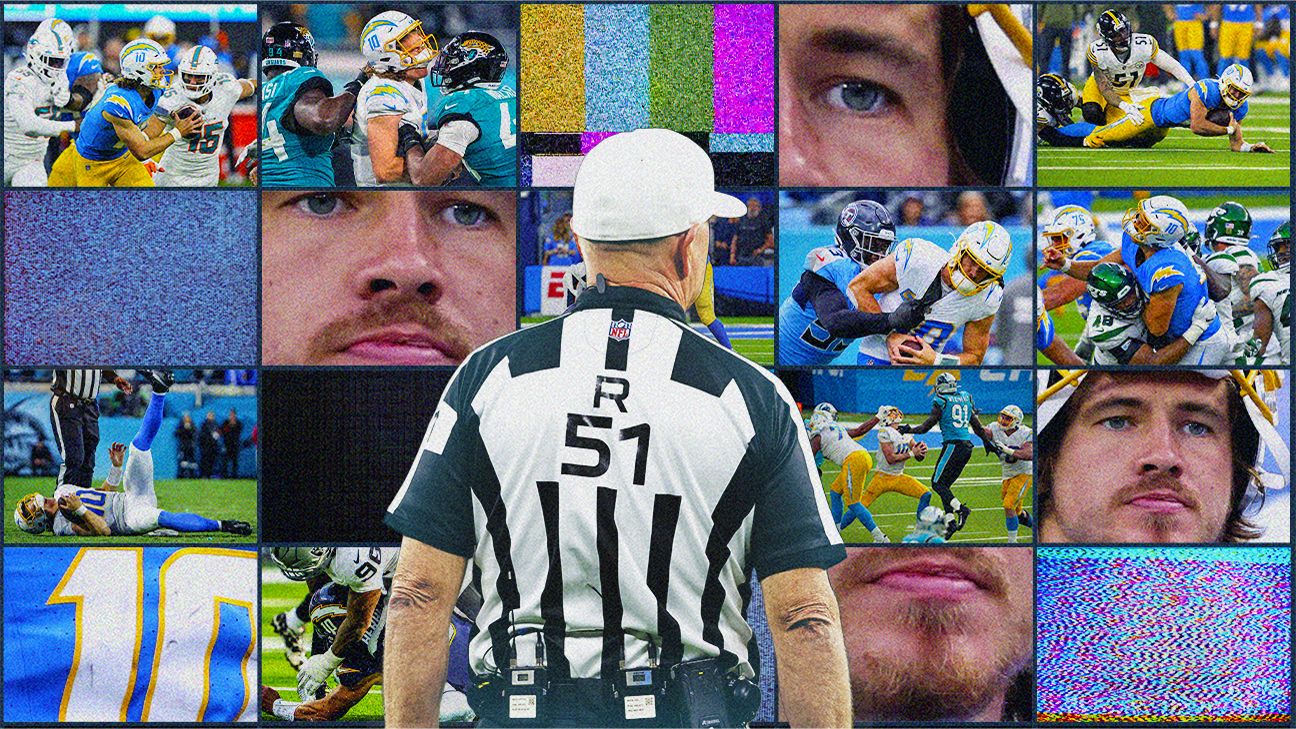
The case of Justin Herbert, who recently expressed frustration with officiating after a hit in a game against the Pittsburgh Steelers, highlights the ongoing tension. While Herbert typically avoids overt protests, his coach, Brandon Staley, seems to encourage a more assertive approach.
Ultimately, the message is clear: quarterbacks who actively advocate for themselves – within the bounds of sportsmanship – may be more likely to receive favorable calls. However, as Herbert points out, it’s a
Keep reading