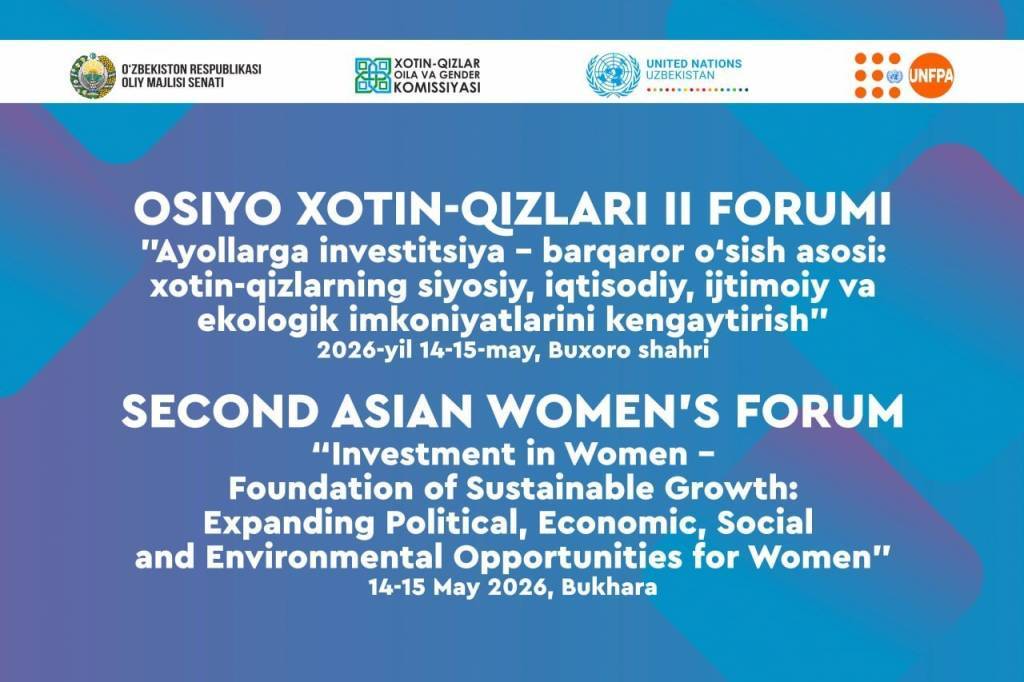
In the complex geopolitical landscape of Central Asia, the ability to resolve conflicts before they escalate is not merely a diplomatic preference—it is a necessity for regional stability and global economic security. At the heart of this effort is the United Nations Regional Centre for Preventive Diplomacy for Central Asia (UNRCCA), an institution designed to foster cooperation, trust, and intercultural understanding among nations in one of the world’s most strategically significant regions.
Preventive diplomacy in Central Asia serves as a critical buffer against instability, utilizing a combination of mediation, dialogue, and scientific cooperation to address systemic tensions. By providing a neutral platform for communication, the UNRCCA works to ensure that disputes over resources, borders, and political influence are managed through diplomatic channels rather than conflict. This approach is essential for maintaining the flow of trade and investment across the Eurasian landmass, where regional volatility can have immediate ripple effects on global markets.
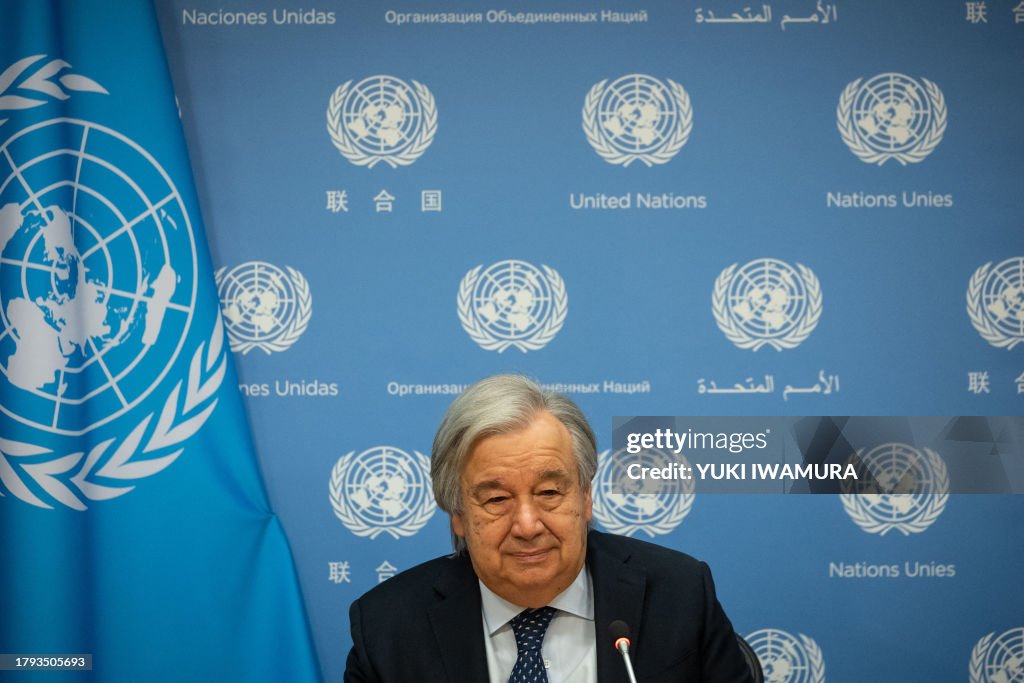
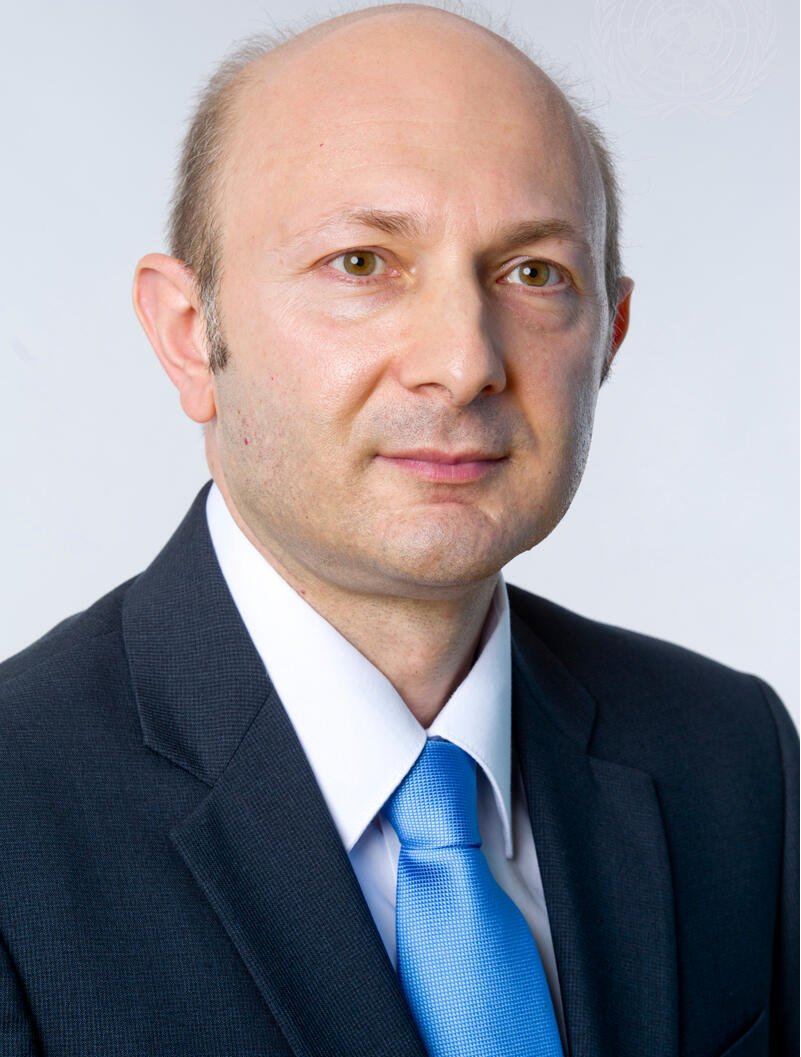
The effectiveness of such a center depends heavily on the experience and neutrality of its leadership. On June 14, 2023, United Nations Secretary-General António Guterres announced the appointment of Kaha Imnadze of Georgia as the Special Representative of the Secretary-General and Head of UNRCCA according to the UN Secretary-General’s office. Mr. Imnadze succeeded Ms. Natalia Gherman, bringing a career spanning over three decades in diplomacy, civil service, and political risk assessment to the role.
The Mandate of UNRCCA: Beyond Conflict Resolution
While the term “preventive diplomacy” often evokes images of high-level negotiations to stop imminent wars, the mandate of UNRCCA is far broader. The center functions as a hub for scientific and intercultural dialogue, recognizing that long-term peace is built on the foundation of shared knowledge and mutual cultural respect. By promoting academic exchange and intercultural programs, the center aims to dismantle the prejudices and misunderstandings that often fuel regional friction.
The strategic objective is to move from reactive crisis management to a proactive framework of stability. This involves identifying “early warning” signs of tension—such as water scarcity disputes or ethnic friction—and deploying diplomatic tools to address these issues before they reach a breaking point. For the business community and global investors, this stability is the primary prerequisite for the development of infrastructure and the expansion of trade corridors in Central Asia.
The center’s approach integrates several key pillars of stability:
- Intercultural Dialogue: Creating spaces where diverse ethnic and religious groups can engage in constructive conversation.
- Scientific Cooperation: Leveraging data and research to solve common problems, such as environmental degradation and water management.
- Diplomatic Mediation: Providing a neutral venue for state-to-state negotiations under the auspices of the United Nations.
- Preventive Analysis: Monitoring regional trends to provide the Secretary-General with actionable intelligence on potential risks.
Leadership Profile: The Diplomatic Career of Kaha Imnadze
The appointment of Kaha Imnadze signals a commitment to seasoned, multi-disciplinary leadership. Mr. Imnadze’s background is characterized by a rare blend of high-level government service, international representation, and private-sector expertise in political risk. This combination is particularly suited for the challenges of Central Asia, where political stability is inextricably linked to economic viability.
Mr. Imnadze’s diplomatic trajectory began in 1989 when he joined the Foreign Service of Georgia. Over the next 30 years, he occupied several pivotal roles that prepared him for the complexities of the UNRCCA mandate. Between 2013 and 2022, he served as the Permanent Representative of Georgia to the United Nations, a role that required navigating the intricate dynamics of the UN Security Council and General Assembly as detailed in his official UN biography.
Immediately prior to his appointment as Head of UNRCCA, from 2022 to 2023, Mr. Imnadze served as the Ambassador of Georgia to Canada and the Permanent Representative to the International Civil Aviation Organization (ICAO). This experience in international regulatory frameworks and bilateral diplomacy further broadened his capacity to manage diverse stakeholder interests.
A Foundation in Security and Analysis
Beyond his roles as an ambassador, Mr. Imnadze has a deep history in national security and strategic analysis. His experience includes serving as the Deputy Secretary of the National Security Council of Georgia from 1998 to 2000 and as the Assistant to the President, Spokesman, and Director of the Georgian State Information Service from 2000 to 2003.
His academic and analytical contributions are equally notable. Between 2009 and 2013, he served as the Program Director of the Georgian Institute for Russian Studies, and from 2012 to 2013, he was a Board Member of the Georgian Political Science Association. This academic grounding in political science and regional studies allows him to approach preventive diplomacy not just as a practitioner, but as an analyst of systemic political trends.
Mr. Imnadze also spent a decade in the private sector, focusing on investment and political risk assessment. This professional experience is crucial for the UNRCCA, as it allows the center to understand the economic drivers of conflict and the specific needs of the international business community operating in Central Asia.
The Strategic Importance of Preventive Diplomacy in Central Asia
Central Asia occupies a unique position in global geopolitics, serving as a bridge between Europe and East Asia. The region’s stability is vital for the security of energy pipelines, the efficiency of the “Middle Corridor” trade routes, and the prevention of transnational threats. When diplomacy fails in this region, the consequences are rarely localized; they often impact global energy prices and international security architectures.
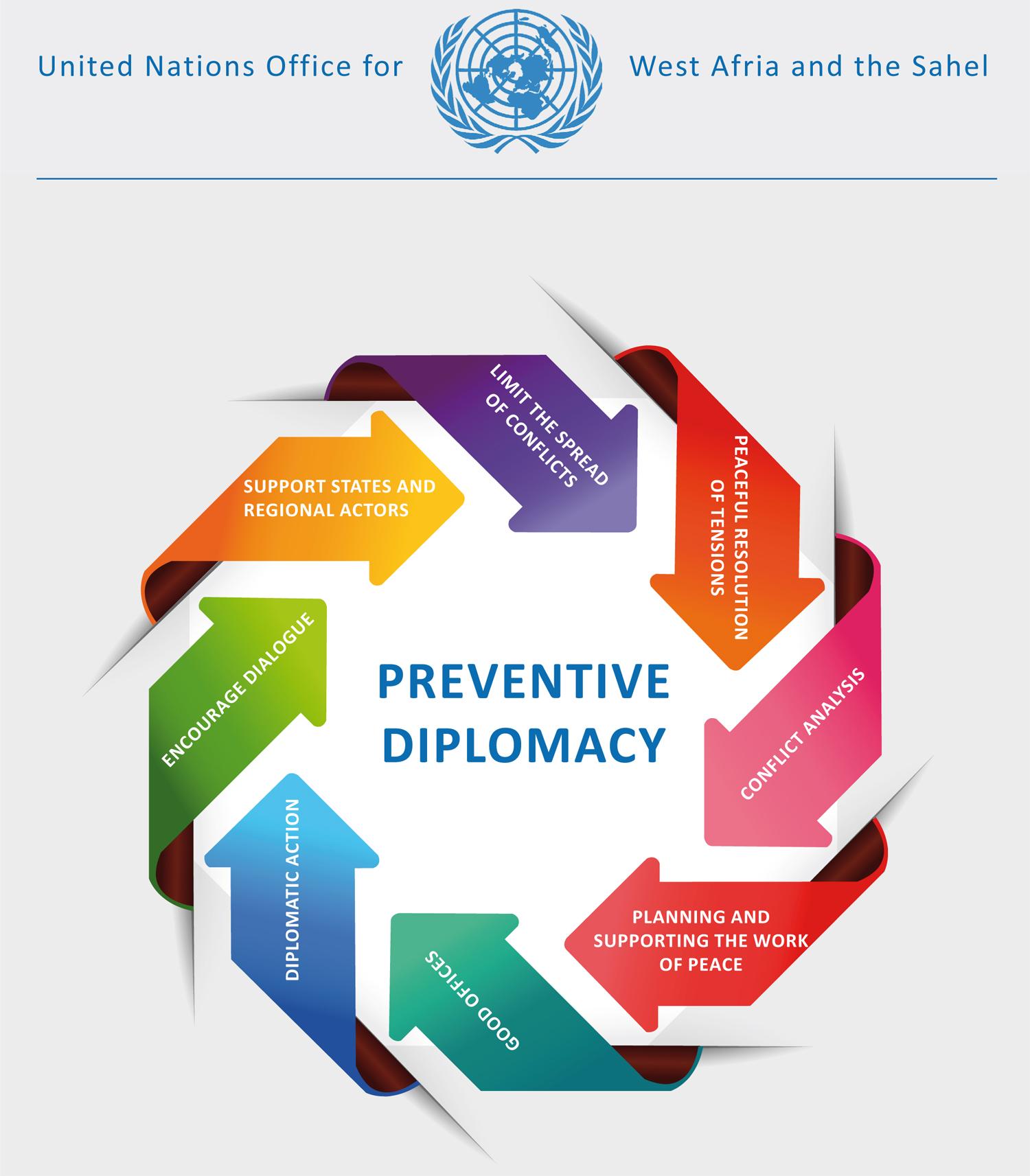
Preventive diplomacy acts as a form of “political insurance.” By investing in dialogue and intercultural understanding today, the international community avoids the far higher costs of peacekeeping missions and humanitarian aid tomorrow. The UNRCCA’s role is to ensure that the dialogue remains open even when bilateral relations between neighboring states are strained.
The center’s focus on scientific dialogue is particularly relevant given the region’s shared environmental challenges. Issues such as the management of the Aral Sea basin and the distribution of transboundary water resources are technical problems that require scientific solutions. When these technical discussions are framed as part of a diplomatic effort, they often serve as “low-politics” entry points that can eventually lead to breakthroughs in “high-politics” security issues.
Key Takeaways: The Role of UNRCCA
- Core Mission: To prevent conflict through early warning, mediation, and the promotion of regional cooperation.
- Methodology: Utilizing scientific and intercultural dialogue to build trust and solve systemic issues.
- Leadership: Led by Kaha Imnadze, who brings over 30 years of experience in diplomacy and political risk assessment.
- Economic Impact: Regional stability fostered by UNRCCA is essential for international trade and foreign direct investment in Central Asia.
Looking Ahead: The Path to Regional Integration
As UNRCCA continues its work under the leadership of Kaha Imnadze, the focus will likely remain on strengthening the mechanisms of regional cooperation. The goal is to move toward a more integrated Central Asian community where diplomacy is the default response to disagreement. This requires a sustained commitment to the principles of the United Nations and a willingness among regional actors to engage in transparent, multilateral dialogue.
The center’s ability to facilitate scientific and cultural exchanges will be a primary metric of its success. By fostering a generation of regional experts and diplomats who are trained in the art of preventive diplomacy, the UNRCCA is not just managing current tensions—it is building the infrastructure for future peace.
The next official updates regarding the center’s strategic initiatives and regional summits will be released through the official UNRCCA and United Nations Secretary-General communication channels. These updates will provide insight into the specific diplomatic milestones achieved in the coming year.
Do you believe preventive diplomacy is the most effective tool for stabilizing volatile regions, or should the focus shift toward more stringent economic incentives? Share your thoughts in the comments below or share this analysis with your professional network.
Worth a look