
South Korea’s leading science and technology university, the Korea Advanced Institute of Science and Technology (KAIST), has officially launched a new center dedicated to merging scientific innovation with diplomatic strategy—a move aimed at securing the country’s technological sovereignty on the global stage. The Center for Science and Technology Diplomacy (KCSD), established under KAIST’s Global Center for Development and Strategy (G-CODEs), marks a strategic pivot toward integrating research and policy to strengthen Korea’s position in an increasingly competitive geopolitical landscape.
This initiative comes as nations worldwide ramp up efforts to control critical technologies, from artificial intelligence to semiconductor manufacturing. KAIST’s new center will serve as a hub for fostering international collaboration while safeguarding domestic technological leadership. The launch aligns with broader global trends, where science diplomacy is increasingly recognized as a tool for economic and national security.
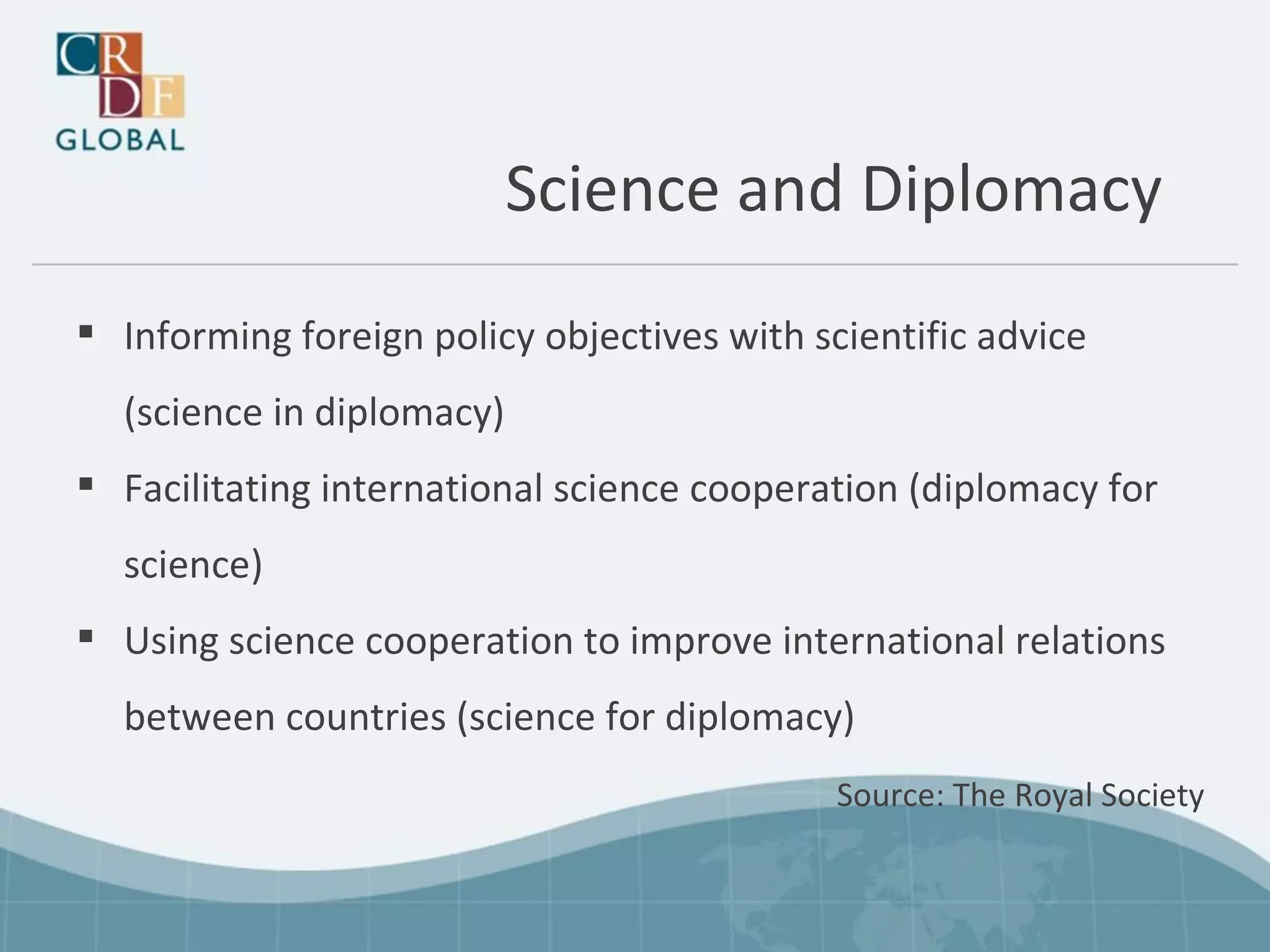
According to KAIST’s official announcements, the center’s establishment reflects a deliberate shift toward science diplomacy—a field that combines scientific expertise with diplomatic efforts to address global challenges, from climate change to cybersecurity. The center’s work will focus on four key pillars: national R&D governance, international science cooperation, technology sovereignty and AI-driven development. By doing so, KAIST aims to position Korea as a bridge between emerging economies and technologically advanced nations, leveraging its strengths in AI, semiconductors, and green technology.
Why Science Diplomacy Matters in 2026
Science diplomacy is not a new concept, but its urgency has surged in recent years. With technological advancements accelerating, countries are racing to dominate key sectors such as quantum computing, biotechnology, and renewable energy. For Korea—a nation that has transformed from a technology importer to a global innovator in just decades—securing its place in this new order is critical.
KAIST’s G-CODEs, established in 2025, has already laid the groundwork for this initiative. The center’s research activities in 2025 focused on six subtopics, including national R&D policy innovation, international research cooperation, and technology sovereignty. In its second year, the scope expanded to eight subtopics, reflecting growing recognition of the need for a comprehensive approach to science and technology strategy. The addition of the KCSD now provides a dedicated platform to operationalize these efforts on the diplomatic front.
“The intersection of science and diplomacy is where the future of global innovation will be decided,” said a spokesperson for KAIST’s Office of Research Affairs. “By establishing the KCSD, we are not only strengthening Korea’s technological independence but also creating a model for how universities can lead in shaping international policy.”
A Hub for Global Collaboration and Technological Sovereignty
The KCSD will operate as a nexus for international partnerships, with plans to establish cooperation networks with leading universities and research institutions in the United States, Europe, and Japan. These alliances will facilitate joint research projects, technology transfer, and policy dialogue, ensuring that Korea remains at the forefront of scientific advancement while mitigating risks associated with over-reliance on foreign technologies.
One of the center’s primary goals is to enhance Korea’s role in AI-enabled development cooperation, particularly with emerging economies. By leveraging Korea’s expertise in AI and digital transformation, the KCSD aims to support sustainable development initiatives in regions where technological infrastructure is still developing. This approach not only promotes global equity but also aligns with Korea’s broader diplomatic objectives.
the center will focus on addressing global challenges such as climate change, cybersecurity, and public health. By aligning Korea’s scientific capabilities with its diplomatic priorities, the KCSD seeks to create a framework where innovation drives both economic growth and international cooperation.
Stakeholders and the Broader Impact
The launch of the KCSD is a significant development for multiple stakeholders. For Korea’s government, the center provides a direct channel to influence global technology standards and policies, reducing dependency on foreign technological frameworks. For KAIST and other Korean universities, it offers new opportunities for research funding and international collaboration, potentially attracting top talent from around the world.
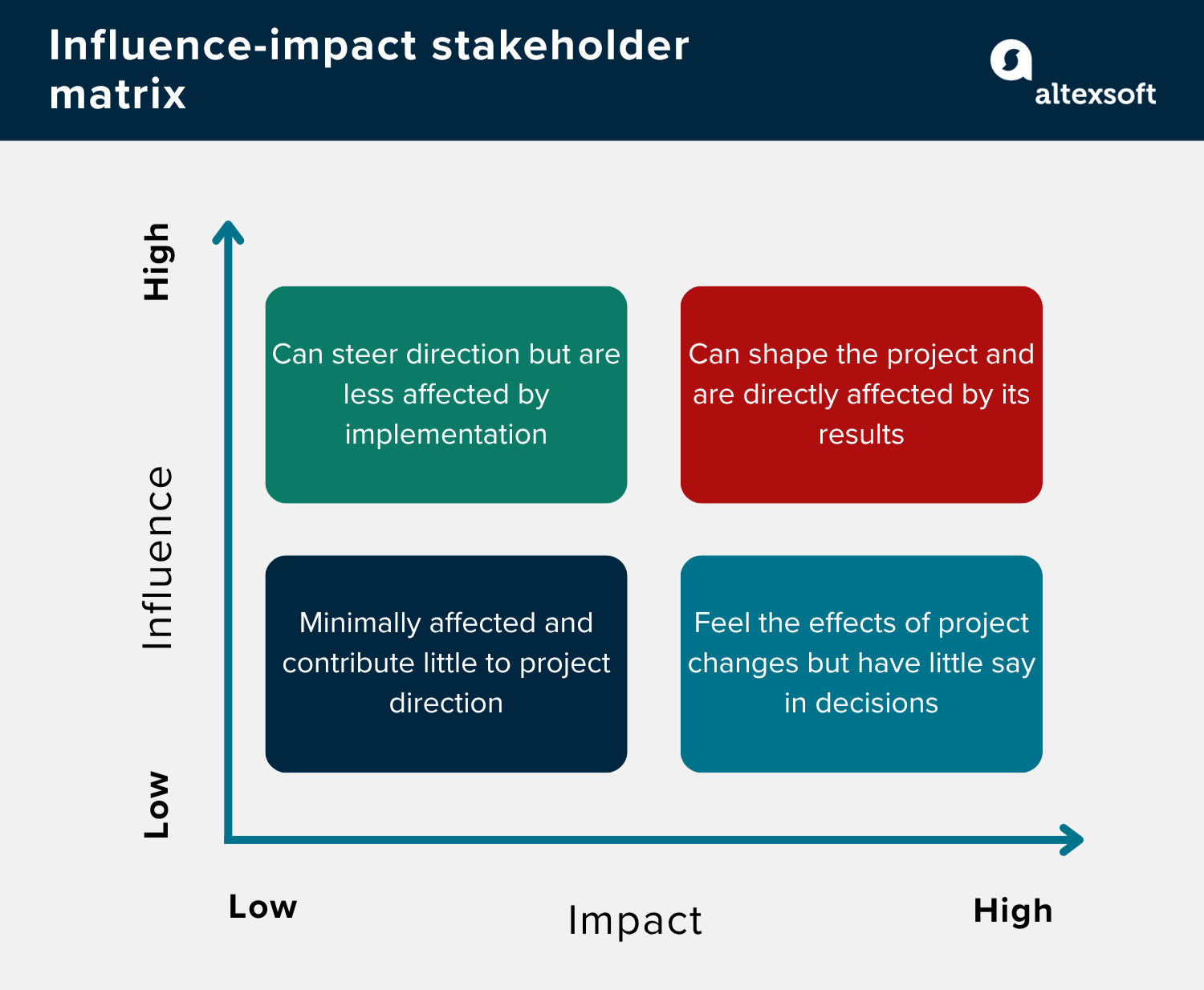
Emerging economies stand to benefit from Korea’s expertise, particularly in AI and green technology, which are critical for sustainable development. Meanwhile, technologically advanced nations may see Korea as a valuable partner in addressing shared challenges, from cybersecurity threats to the ethical implications of AI.
Businesses, particularly those in the tech and semiconductor sectors, will also play a key role in the KCSD’s initiatives. As Korea’s private sector continues to innovate, the center’s diplomatic efforts could help secure market access and regulatory advantages in key regions, further bolstering Korea’s economic competitiveness.
What Happens Next: Key Developments to Watch
The KCSD’s inaugural year will focus on solidifying its international partnerships and launching pilot projects in AI-driven development and technology sovereignty. While exact timelines for major initiatives have not been disclosed, KAIST has indicated that the center will host its first major international symposium in late 2026, bringing together policymakers, scientists, and industry leaders to discuss the future of science diplomacy.
For readers interested in following this story, KAIST’s Global Center for Development and Strategy and the official KAIST website will provide updates on the center’s activities, research findings, and upcoming events. The center’s work will be closely monitored by international organizations such as the United Nations and the World Economic Forum, which have increasingly emphasized the role of science in diplomacy.
Key Takeaways
- Strategic Shift: KAIST’s new Center for Science and Technology Diplomacy (KCSD) marks a deliberate move to integrate scientific innovation with diplomatic strategy, aiming to secure Korea’s technological sovereignty.
- Global Collaboration: The center will establish partnerships with leading institutions in the U.S., Europe, and Japan, focusing on AI, semiconductors, and green technology.
- Emerging Economies: Korea’s expertise in AI and digital transformation will be leveraged to support sustainable development initiatives in regions with developing technological infrastructure.
- Broader Impact: Stakeholders, including governments, universities, businesses, and international organizations, stand to benefit from the center’s efforts to align innovation with global policy.
- Next Steps: The KCSD’s first international symposium is expected in late 2026, with ongoing updates available through KAIST’s official channels.
As the world navigates an era of rapid technological change, KAIST’s initiative underscores the growing importance of science diplomacy in shaping the future. For businesses, policymakers, and citizens alike, the center’s work offers a glimpse into how collaboration and innovation can address global challenges while securing national interests.
What are your thoughts on the role of science diplomacy in the 21st century? Share your insights in the comments below, and don’t forget to share this article with colleagues and peers who are interested in the intersection of technology and global policy.