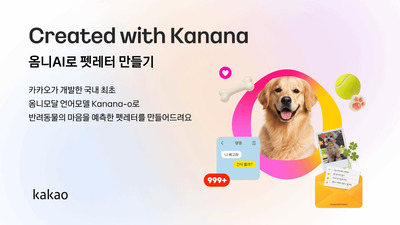
Kakao, the South Korean internet giant, launched an AI-powered “Pet Letter” event allowing users to generate personalized video and voice messages from their pets. The initiative, which ran through August 14, used artificial intelligence to simulate a pet’s voice and personality based on user-selected tones and photos, according to company reports.
The event focused on the emotional bond between owners and their animals, leveraging generative AI to bridge the communication gap. By selecting specific voice tones and uploading images of their pets, participants received AI-generated content designed to mimic a heartfelt message from their animal companions.
This development follows a broader trend of “pet-tech” integration in South Korea, where the pet industry has seen significant growth. Kakao’s use of AI for emotional engagement highlights a shift toward using large language models and voice synthesis for personalized, niche consumer experiences.
How the Kakao Pet Letter AI System Works
The Pet Letter event operated by integrating image processing and voice synthesis AI. According to the event details, users were required to upload a photo of their pet and select a desired “voice tone” from a set of predefined options. The AI then synthesized a video letter and an accompanying voice message tailored to those inputs.
The technology relies on text-to-speech (TTS) and generative video tools to create the illusion of a speaking animal. While the messages were not based on real-time animal data, the AI used the selected personality traits to draft a script and match it with a synthetic voice that aligned with the user’s perception of their pet.
Participants who engaged with the service were entered into a lottery for prizes, a common tactic used by Kakao to drive user acquisition and engagement for its new AI features. The event served as a practical test for how users interact with emotionally charged AI content.
The Rise of AI Pet Services in South Korea
Kakao’s initiative enters a competitive market where AI is increasingly used to manage pet health and emotional well-being. South Korea’s pet economy, often referred to as the “pet-conomy,” has evolved from basic care to high-tech services, including AI-driven health monitors and automated feeders.
Industry analysts note that the appeal of a service like “Pet Letter” lies in “anthropomorphism”—the human tendency to attribute human emotions and characteristics to animals. By providing a voice to a pet, Kakao tapped into the deep emotional investment pet owners have in their animals, particularly in urban centers like Seoul where pets are often viewed as family members.
This move aligns with Kakao’s broader strategy to integrate AI across its ecosystem, moving beyond simple chatbots and into experiential AI that generates multimedia content. The ability to create “emotional” AI interactions is a key area of development for tech firms looking to increase user retention in a saturated app market.
Privacy and AI Ethics in Pet Content
While the Pet Letter event was designed for entertainment, the use of AI-generated voices and images raises ongoing discussions regarding data privacy and the ethics of synthetic media. Users uploaded personal photos of their pets to Kakao’s servers to facilitate the AI generation process.
The company has generally adhered to standard data processing agreements for its AI services, though the specific training data used to create the “pet voices” remains proprietary. As AI becomes more adept at mimicking biological traits, the line between authentic recording and synthetic generation continues to blur.
The event concluded on August 14, and Kakao has not yet announced a permanent version of the Pet Letter tool. However, the data gathered from the event’s participation rates will likely inform future AI product launches within the KakaoTalk ecosystem.
For those seeking official updates on Kakao’s AI roadmap or future event schedules, the company’s official newsroom and corporate announcements remain the primary sources for verified information.
Do you think AI-generated messages from pets enhance or distract from the real bond with animals? Share your thoughts in the comments below.
Worth a look