Kampala Flooding Crisis: A Reckoning over Development and Neglect
Kampala is once again reeling from devastating floods, a recurring tragedy that has claimed lives, displaced thousands, and crippled daily life. While seasonal rains are expected, the scale of the current disaster points to a deeper, more systemic problem: unchecked urban development prioritizing profit over public safety and environmental sustainability. This article delves into the unfolding crisis,the accusations leveled against prominent businessman Ham kiggundu,and the urgent need for systemic change to protect Uganda’s capital.
The Current Situation: A City Underwater
As Wednesday, the Uganda Red Cross Society has reported at least five fatalities and over 2,000 people affected by the floods. Neighborhoods like Bwaise, Kawempe, and Natete are bearing the brunt of the deluge. Eyewitness accounts paint a grim picture: abandoned vehicles, ruined livelihoods, and families desperately seeking higher ground amidst murky, rising waters.
The Kampala Capital City Authority (KCCA) has deployed emergency response teams and pumps, but many argue these efforts are merely reactive bandages on a gaping wound. The core issue isn’t responding to floods, but preventing them.
Lukwago’s Scathing Accusations: Targeting Ham Kiggundu
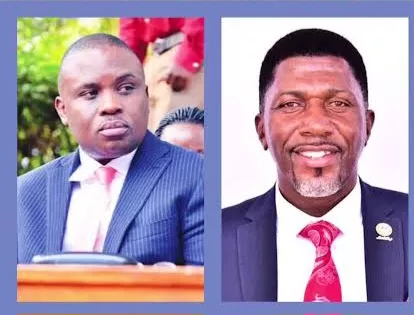
amidst the crisis, Kampala Central Division Lord Mayor Erias Lukwago has launched a blistering attack on Ham Kiggundu, founder of Ham Group Enterprises. Lukwago directly accuses Kiggundu of ”reckless encroachments” on vital wetlands and drainage channels.
“Ham Kiggundu is doing more harm than good in this city,” Lukwago stated during an emergency press briefing. “He cares less about the lives of ordinary Ugandans than making profits.” He argues that Kiggundu’s multi-million dollar projects are actively choking Kampala’s waterways, transforming the city into a hazardous trap during the rainy season.
A History of Controversy: Environmental Concerns Ignored
This isn’t a new debate.Ham Enterprises has faced years of scrutiny regarding its development practices. Luxury apartments and commercial complexes built in known flood-prone zones have repeatedly been alleged to violate environmental regulations.
* wetland Encroachment: Projects are accused of blocking natural water flow, exacerbating urban flooding.
* Political Backing: environmental activists, like those from the wetlands Restoration Initiative, claim these developments are often fast-tracked with undue political influence.
* NEMA Audit Findings: A 2024 audit by the National Environment Management Authority (NEMA) flagged several Ham Group sites for non-compliance, yet enforcement has been consistently lax.
Kiggundu has consistently defended his investments, claiming they create jobs and stimulate economic growth. He dismisses accusations of wetland encroachment as “baseless smears from envious rivals.” Though, these defenses ring hollow to residents directly impacted by the consequences of these developments.
The Systemic Problem: Impunity and Lack of Oversight
Lukwago rightly points out that this crisis extends beyond a single individual. “This is not just about one man; it’s about a system that allows the powerful to flood the poor,” he asserts. He calls for immediate government intervention,including:
* Moratorium on Wetland Development: A complete halt to all construction within and around protected wetland areas.
* Accountability & Title Revocation: Revoking land titles obtained through improper means and restoring damaged wetlands.
* Compensation for Victims: Providing adequate financial and logistical support to those displaced and affected by the floods.
The lack of consistent enforcement of environmental regulations, coupled with a perceived culture of impunity for the wealthy and politically connected, is at the heart of the problem.
Voices from the Ground: The Human Cost
The statistics are stark, but they fail to capture the human toll. Sarah Namubiru, a mother of three from Bwaise, encapsulates the frustration of countless residents: “Every year, the same story. Rich men build on our rivers, and we pay with our homes.”
These aren’t abstract policy debates; they are about families losing thier homes, livelihoods, and, tragically, their lives.
Looking ahead: A Call for Sustainable Urban Planning
The Kampala floods underscore the urgent need for a thorough overhaul of urban planning strategies. Experts from Makerere University’s Department of Geography emphasize the following:
* Master Plan Revision: A complete review and update of Kampala’s master plan, prioritizing climate resilience.
Related reading