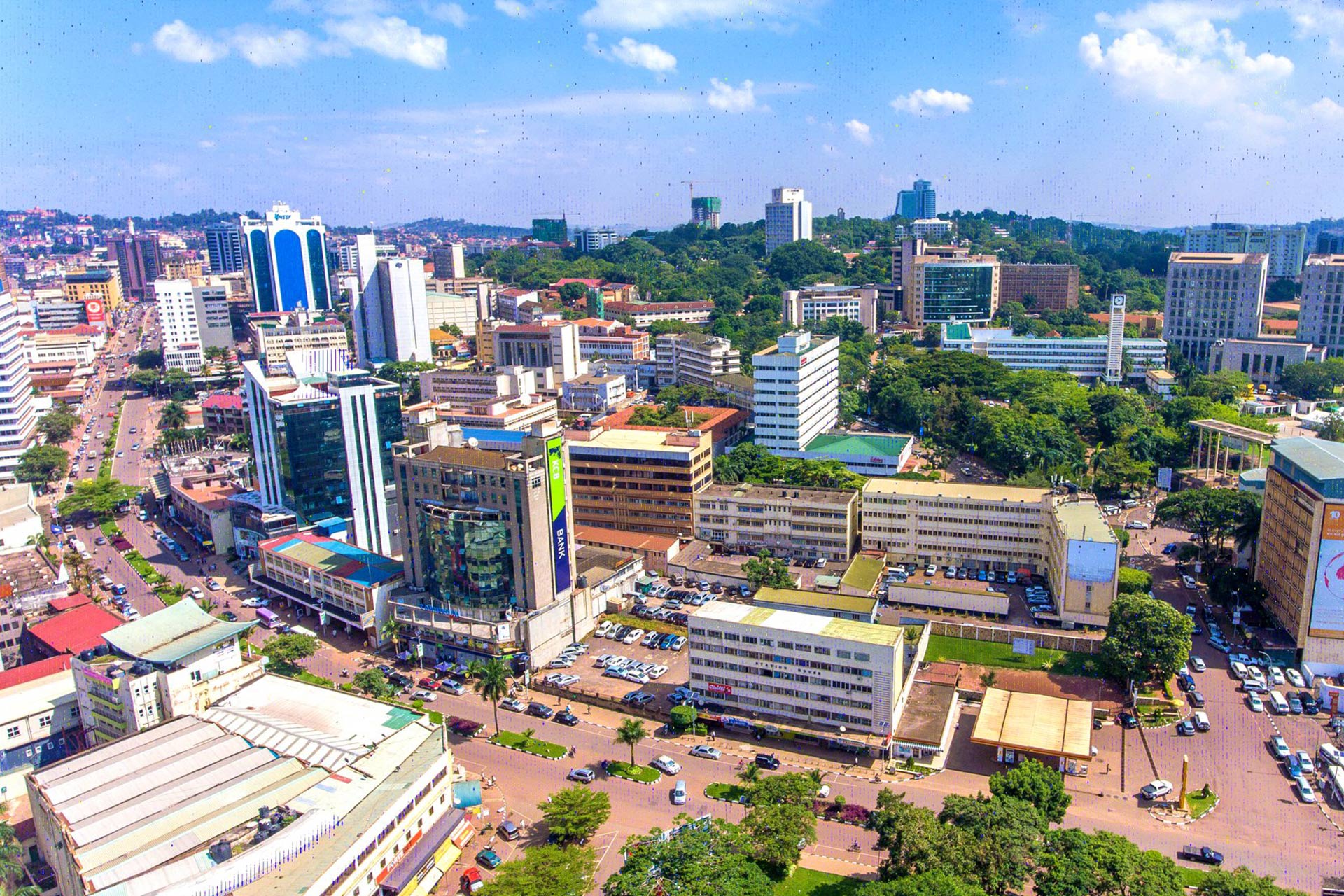
For decades, the skyline of Kampala has been defined by a “build now, ask later” philosophy. The city grew as a sprawling patchwork of unpermitted structures and horizontal expansion, creating a landscape where growth often outpaced regulation. Still, a legislative shift is now triggering what is being described as Kampala’s Urban Perestroika, a radical restructuring of the city’s commercial heart that is replacing chaotic growth with strict, vertical planning.
This transition is driven by the Building Control (Amendment) Act of 2026, which took effect on March 19, 2026, following its assent. Far from being a mere bureaucratic update, the law represents a “quiet revolution” in the Kampala Metropolitan Area. While such sweeping changes often spark public outcry, the city’s entrepreneurs have remained remarkably silent, embracing a process of reconstruction that is fundamentally altering the financial landscape of Ugandan real estate.
According to the National Building Review Board (NBRB), these reforms were designed to tackle systemic failures in the sector. The board identifies illegal developments, widespread non-compliance with building standards, and recurring building collapses—which have caused significant loss of life and property—as the primary catalysts for the new regulations.
The Finish of Dead Capital
The 2026 Amendment has fundamentally shifted the mathematical equation for property owners. In the past, buildings constructed without permits or those that failed to meet the National Building Code were viewed primarily as aesthetic issues or manageable risks. Under the new legal framework, these structures are now classified as financial liabilities.
A critical mechanism driving this change is the implementation of penalties calculated per square meter of the built area. This specific penalty structure ensures that the cost of maintaining a non-compliant building eventually exceeds the cost of complete reconstruction. For the savvy developer, this serves as a powerful incentive to eliminate “dead capital”—property that, due to its lack of legal standing, cannot be used as collateral for loans or for formal, high-value leasing.
By rebuilding according to the current code, entrepreneurs are converting these liabilities into bankable assets. This shift allows them to move away from the precariousness of informal ownership and toward a formalized system of wealth creation that is recognized by financial institutions.
A Calculated Strategic Trade-Off
To a casual observer, a law that mandates expensive reconstruction might appear to be a burden. However, for Kampala’s risk-taking entrepreneurs, compliance is viewed as a strategic shield rather than a shackle. There is a clear understanding that legal certainty is a prerequisite for attracting a higher tier of commercial investment.
Modern, permitted structures are essential for attracting international franchises, corporate offices, and high-end retail tenants. These entities require the legal and safety guarantees that only a code-compliant building can provide. By investing in reconstruction now, developers are essentially future-proofing their assets and ensuring their properties remain competitive in a globalized market.
Synergy and the Sanitization of the Streets
The reconstruction of the skyline is not happening in isolation. We see being supported by a simultaneous government crackdown on roadside vending. This creates a direct correlation between the 2026 Building Act and the “sanitization” of the city’s streets.
From a commercial perspective, the prestige of a modern glass plaza is diminished if its entrances are obstructed by informal stalls. By clearing these vendors and improving general infrastructure, the government is enhancing the “curb appeal” of the commercial center. For the developer, adhering to strict building codes is the “entry fee” for a streetscape that is clean, accessible, and capable of yielding higher returns.
The Shift Toward a Vertical Future
As reconstruction continues across the metropolitan area, the overarching goal of this Urban Perestroika is to move the city through three primary transitions:

- From Horizontal to Vertical: Maximizing the employ of expensive and limited urban land through planned vertical development.
- From Informal to Institutional: Transitioning the commercial sector toward a formal, taxable economy.
- From Spontaneous to Planned: Aligning private real estate investment with public infrastructure goals.
This evolution suggests that Kampala is transitioning from a city of simple shops into a city of strategic investments. However, this vision of a modernized center creates a significant divide. While it benefits developers and institutional tenants, the crackdown on roadside vending and the push for high-value construction fundamentally change the game for small-scale traders, who may discover themselves excluded from the new urban vision.
Key Takeaways of the 2026 Building Act
| Feature | Previous State | New Requirement/Impact |
|---|---|---|
| Growth Pattern | Horizontal and spontaneous | Planned vertical development |
| Compliance | “Build now, ask later” | Strict National Building Code adherence |
| Penalty Structure | General fines/aesthetic issues | Penalties per square meter of built area |
| Asset Status | Dead capital (unbankable) | Bankable, high-value assets |
| Street Environment | Informal roadside vending | Sanitized, accessible streetscapes |
The current trajectory of Kampala’s development indicates a permanent move toward institutionalization. The silence of the city’s entrepreneurs is not a sign of submission, but rather a calculated move to trade the chaos of the past for the high-value order of the future.
As the National Building Review Board continues to oversee the implementation of these reforms, the next phase of the city’s transformation will likely focus on the integration of these new vertical structures with the surrounding public infrastructure.
Do you believe the city has provided adequate alternatives for the small-scale traders displaced by this urban restructuring? Share your thoughts in the comments below.
Worth a look