
The legacy of Karel Gott, the legendary Czech singer often referred to as the “Sinatra of the East,” remains a subject of intense public interest years after his passing in October 2019. While his musical contributions are cemented in European history, the management of his estate and the financial arrangements involving his children have frequently been the subject of speculation in tabloid media. Navigating the complex intersection of celebrity inheritance and private family settlements requires a careful look at the facts surrounding his final arrangements and the legal framework governing Czech estates.
For those following the story of the late Karel Gott’s family finances, it is essential to distinguish between verified legal outcomes and speculative narratives regarding the distribution of his estate. The singer, who enjoyed a career spanning over five decades, left behind a complex family structure that has been managed through private agreements and, where necessary, the formal probate process. Understanding the specifics of how a Karel Gott estate settlement was handled provides a clearer picture of how high-profile figures protect their legacies while providing for their families.
The Legal Realities of the Gott Estate
When Karel Gott passed away at the age of 80, the administration of his assets became a matter of significant public curiosity. According to records and statements from the period, the singer took proactive steps to ensure his affairs were in order, often working with legal counsel to avoid future disputes. In the Czech Republic, the Civil Code dictates the rules of inheritance, emphasizing the protection of “forced heirs,” which includes children. Any agreement made during an artist’s lifetime—such as the payout of funds in exchange for a waiver of future inheritance claims—must adhere to these strict legal statutes to be considered valid and enforceable in court.
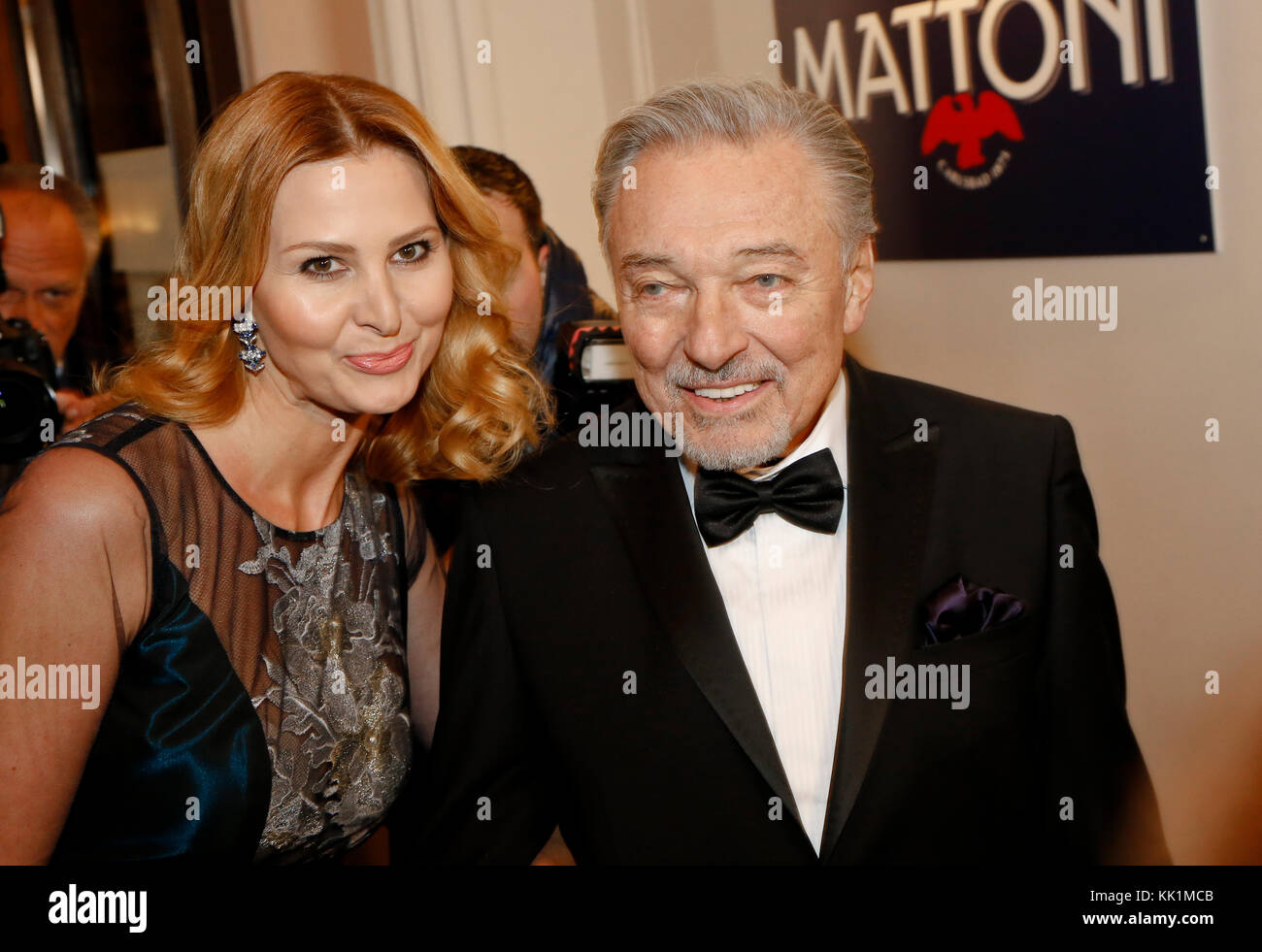
Reports emerged following his passing that Gott had reached financial settlements with his two eldest daughters, Dominika Gottová and Lucie Kovaříková, during his lifetime. These settlements were reportedly intended to provide immediate financial support, allowing the singer to simplify the eventual distribution of his remaining estate to his wife, Ivana Gottová, and their two younger daughters. Such arrangements are common in high-net-worth estate planning, designed to provide clarity and prevent protracted litigation after a public figure’s death. You can find more information on the Czech Ministry of Justice portal regarding the standard procedures for inheritance and succession law.
Addressing the “Ultimatum” Narrative
Media accounts often frame these financial arrangements as “ultimatums,” suggesting a degree of conflict or coercion. However, legal experts emphasize that such characterizations are rarely accurate in the context of formal inheritance law. A settlement, by definition, is a contractual agreement between two parties. If a beneficiary accepts a lump sum in exchange for waiving future claims to an estate, it is a voluntary transaction, not an ultimatum imposed without recourse. The reality of the Karel Gott family situation, as reported by major Czech news outlets at the time, was that these agreements were reached with the goal of securing the financial future of all involved parties during the singer’s lifetime.
The distribution of the estate, which included not only liquid assets but also intellectual property rights and real estate, was finalized through the probate process. Publicly available information confirms that the process concluded in a manner that respected the singer’s wishes and met the requirements of Czech law. For those interested in the complexities of celebrity probate, the Notarial Chamber of the Czech Republic provides resources on how such estates are typically managed to ensure transparency and compliance.
Legacy and Financial Transparency
Beyond the numbers and legal filings, the story of Karel Gott’s family is one of balancing the demands of a global career with the personal responsibilities of a father. Throughout his life, Gott maintained a high degree of privacy regarding his specific financial dealings. The focus of his later years, as documented in his autobiography, was largely on his health and the well-being of his wife and young daughters. The decision to settle with his older children early was a strategic move to insulate his family from the complexities of post-mortem asset disputes.
It is also worth noting that the “millions” often cited in tabloid speculation are rarely contextualized within the total value of an estate that includes ongoing royalties and image rights. These assets are subject to long-term management, and the income generated by the “Gott brand” continues to be a factor in the family’s financial landscape. Understanding this requires looking at the Ministry of Culture of the Czech Republic, which oversees laws regarding artistic property and copyright, ensuring that the legacy of artists like Gott is protected for both the public and the heirs.
Key Takeaways on Estate Management
- Legal Framework: All inheritance settlements must comply with the Czech Civil Code, which protects the rights of direct descendants.
- Voluntary Agreements: Financial settlements made during an artist’s lifetime are legal contracts and are distinct from the final probate distribution.
- Public vs. Private: While celebrities are public figures, their estate settlements are private legal matters unless they become the subject of contested court proceedings.
- Ongoing Legacy: The management of an artist’s intellectual property, including songs and image rights, is a separate process from the initial distribution of liquid assets.
As the years pass, the focus on the financial details of the Gott family continues to diminish, replaced by a lasting appreciation for the singer’s contributions to music. For readers seeking the most accurate updates on the status of his legacy or any potential future legal developments, the best approach is to monitor official announcements from the family’s representatives or the Czech judicial system. We encourage our readers to share their thoughts on how the legacies of cultural icons should be handled in the digital age. Your insights are welcome in the comments section below.
Keep reading