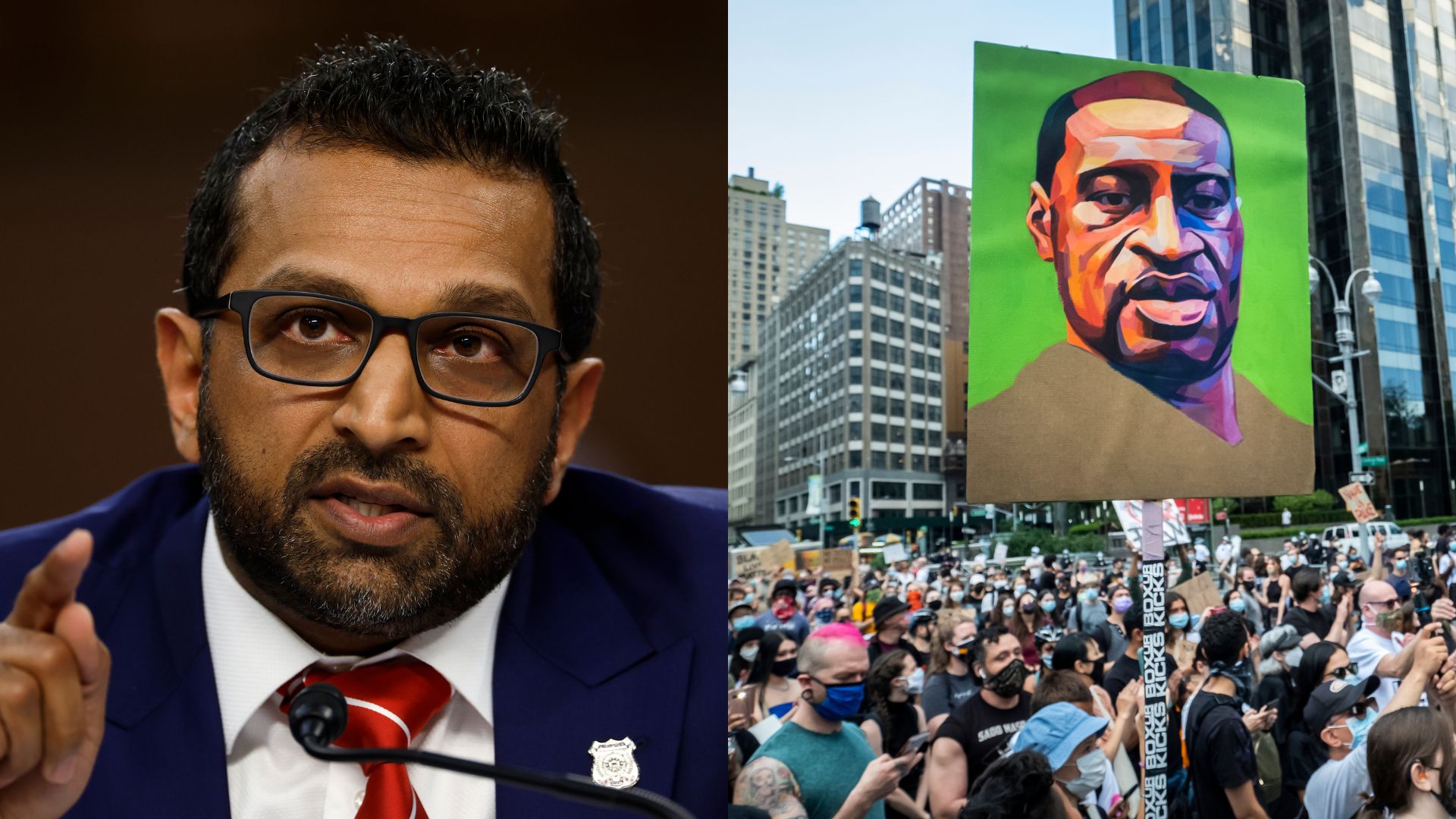
FBI Director’s Firings of Agents Over George Floyd Protests Spark Controversy
The recent decision by FBI Director Kash Patel to fire 15 agents involved in a 2020 protest following the death of George Floyd has ignited a firestorm of controversy. these agents were photographed kneeling during demonstrations sparked by the killing of Floyd at the hands of Minneapolis police, an event that catalyzed a national reckoning on racial injustice and policing practices. This action is part of a larger personnel shift within the Bureau, raising concerns about potential political motivations and the erosion of agent morale.
The Dismissals and Their Context
Following a months-long internal review, Director Patel moved to dismiss the 15 agents directly linked to the kneeling protest. Notably, agents present at the same protests but who did not participate in the kneeling gesture were not subject to dismissal. This distinction has fueled accusations of selective enforcement and a potential targeting of agents based on their expression of support for the Black Lives matter movement.
The firings are occurring alongside a broader “purge” of personnel at the FBI.Last month, five veteran agents and top-level executives were abruptly terminated, contributing to a growing sense of instability within the agency. Current and former officials suggest this wave of ousters is negatively impacting morale and possibly hindering the FBI’s ability to effectively operate.
FBI Agents Association Response
The FBI Agents Association (FBIAA) has strongly condemned Director Patel’s actions. In a statement released Friday,the association argued the dismissals “violate the due process rights” of the agents involved. They further asserted that Patel’s approach is “weakening the Bureau” by eliminating valuable expertise and damaging trust between leadership and the workforce.
The FBIAA emphasized that while accountability is crucial - “nobody is above the law,” as Patel himself has stated – the director bypassed established legal and constitutional procedures. Instead of providing fair treatment and due process, the association alleges Patel ignored the agents’ rights.
The Importance of the Kneeling Protest
The photographs of FBI agents kneeling during the George Floyd protests became a potent symbol.They represented a public display of solidarity with the movement for racial justice and a recognition of the pain and anger felt by many Americans. The images circulated widely, sparking both praise and criticism.
Floyd’s death, captured on video and viewed by millions, triggered widespread protests across the country and around the world. It forced a national conversation about systemic racism, police brutality, and the need for criminal justice reform.The agents’ gesture, while seemingly small, tapped into the raw emotions of that moment.
Broader implications for the FBI
This situation raises critical questions about the independence of the FBI and the potential for political interference. director Patel’s actions are being scrutinized for their impact on the Bureau’s reputation, its ability to attract and retain qualified agents, and ultimately, its effectiveness in protecting national security.
The ongoing personnel changes are creating an atmosphere of uncertainty and fear within the FBI. Many agents are reportedly concerned about expressing their opinions or engaging in activities that could be perceived as critical of the governance. This chilling effect could stifle innovation and hinder the Bureau’s ability to respond to evolving threats.
Timeless Insights: The balance Between Duty, Expression, and Institutional Integrity
The controversy surrounding these firings isn’t simply about one event; it touches upon essential tensions inherent in any organization tasked with upholding the law while operating within a democratic society. Consider these points:
* The Right to Protest: Even for law enforcement officers, the right to peaceful protest is a cornerstone of a free society. Where does the line lie between personal expression and potential compromise of impartiality?
* Due Process and Fairness: the principle of due process is essential for maintaining trust in any institution. bypassing established procedures can erode public confidence and create a perception of bias.
* Institutional Culture and Morale: A healthy organizational culture requires open communication, respect for individual rights, and a sense of shared purpose. Actions that undermine these values can have long-lasting consequences.
* The Appearance of Impartiality: Law enforcement agencies must not only be impartial, but also appear impartial to the public. Perceptions of political influence can severely damage an agency’s credibility.
Frequently Asked Questions About the FBI Firings
1. What is the primary reason the FBI Director gave for firing the agents?
Director Kash Patel has stated the dismiss