
Model Katie Price has publicly documented severe medical complications following recent cosmetic surgery, drawing renewed attention to the risks associated with non-surgical and surgical aesthetic procedures. Price, who has been transparent about her history of cosmetic enhancements, shared images and video content via social media detailing post-operative pain and sleep disturbances, highlighting the physiological toll of repeated facial interventions.
As a medical professional, I have observed a growing trend in patients seeking corrective procedures to address the migration or “spreading” of dermal fillers. When hyaluronic acid-based fillers—commonly used for lip augmentation—are injected incorrectly or in excessive volumes, they can migrate into surrounding tissues, creating an unnatural appearance and, in some instances, causing vascular or lymphatic obstruction. This incident underscores the necessity of consulting board-certified plastic surgeons or dermatologists who specialize in facial aesthetics rather than relying on non-specialized practitioners.
The Clinical Risks of Dermal Filler Migration
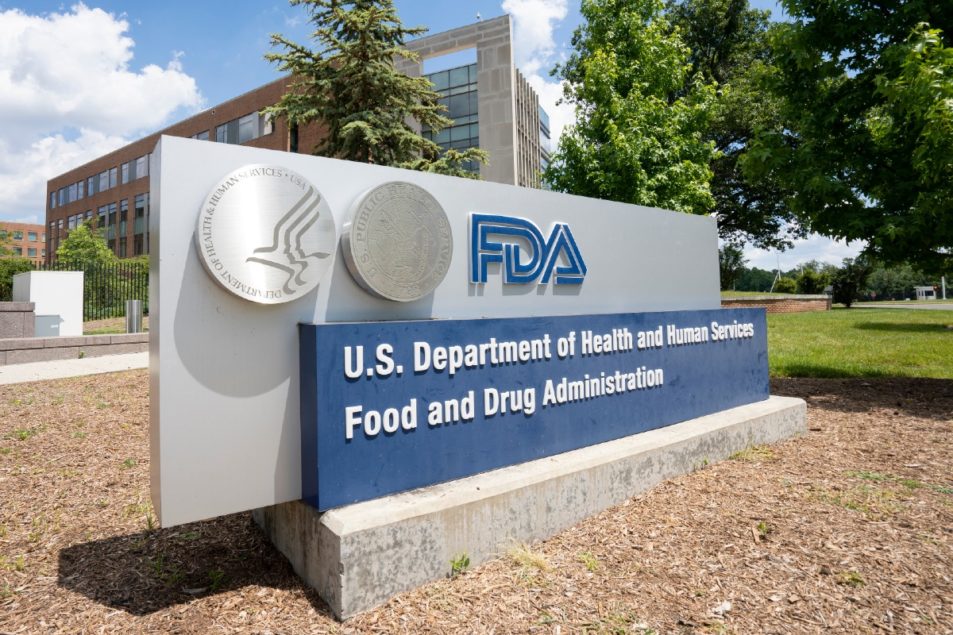
Dermal fillers are widely categorized as medical devices, yet their regulation varies significantly across international jurisdictions. According to the U.S. Food and Drug Administration (FDA), patients should be aware that all injectable fillers carry inherent risks, including infection, granuloma formation, and the potential for vascular occlusion—a condition where filler material enters a blood vessel, potentially leading to tissue necrosis.
Migration often occurs when practitioners place too much product in a concentrated area, or when the filler is injected into a plane of the face that does not support the material. In my clinical experience, the lips are particularly susceptible because they are highly dynamic areas with significant muscular activity. When filler shifts, it can manifest as a “shelf” above the lip line or a blurred vermilion border. Patients often report a feeling of heaviness or persistent discomfort, which requires medical intervention—typically the injection of hyaluronidase to dissolve the misplaced hyaluronic acid.
Understanding Patient Safety in Cosmetic Procedures
The public narrative surrounding celebrity cosmetic procedures often obscures the reality of post-operative recovery. While social media platforms frequently showcase immediate “after” results, the long-term biological impact of repeated surgeries is less discussed. The American Society of Plastic Surgeons (ASPS) emphasizes that cosmetic surgery is a serious medical endeavor, not a casual lifestyle choice. Patients are encouraged to verify the credentials of their provider and confirm that the facility adheres to strict sterile protocols.

For those considering aesthetic enhancements, the following safety precautions are essential:
- Verify Credentials: Ensure your injector is a board-certified plastic surgeon, dermatologist, or a highly trained aesthetic nurse working under the direct supervision of a physician.
- Product Transparency: Always ask which product is being used and ensure it is approved by your country’s health authority (e.g., the EMA in Europe or the FDA in the United States).
- Consultation Depth: A professional consultation should include a discussion of your medical history, potential risks, and a realistic assessment of the expected outcomes.
- Emergency Readiness: Inquire about the provider’s protocol for managing complications, specifically their access to reversal agents like hyaluronidase.
The Psychological and Physical Burden of Revisions
The psychological impact of failed or unsatisfactory aesthetic procedures is a documented issue in clinical literature. Patients often experience significant distress when a procedure does not meet expectations, which can lead to a cycle of “corrective” surgeries. This phenomenon, sometimes referred to as “aesthetic procedure addiction” or body dysmorphic disorder (BDD) in clinical settings, requires a multidisciplinary approach involving both medical and psychological support.
According to research published by the National Center for Biotechnology Information (NCBI), the prevalence of BDD among cosmetic surgery patients is higher than in the general population. It is critical that practitioners screen for these conditions before proceeding with elective surgeries. If a patient experiences persistent pain or physical deformity after a procedure, they should seek an immediate evaluation from a different, independent specialist to assess for infection, displacement, or tissue damage.
Next Steps for Patient Advocacy
As the cosmetic industry continues to expand globally, regulatory bodies are under increasing pressure to implement stricter standards for non-surgical practitioners. In the European Union, the Medical Devices Regulation (MDR) has introduced more rigorous requirements for the certification of aesthetic devices to protect consumer safety. Patients are encouraged to monitor their national health ministry websites for updated guidance on practitioner registration and safety advisories.

If you or someone you know has experienced complications following a cosmetic procedure, it is vital to keep detailed records of your treatment, including the name of the product used and the credentials of the practitioner. Reporting adverse events to local health authorities is the primary mechanism for identifying unsafe practices and preventing future harm. We invite our readers to share their experiences or questions in the comments section below to foster a more informed and safer community.