
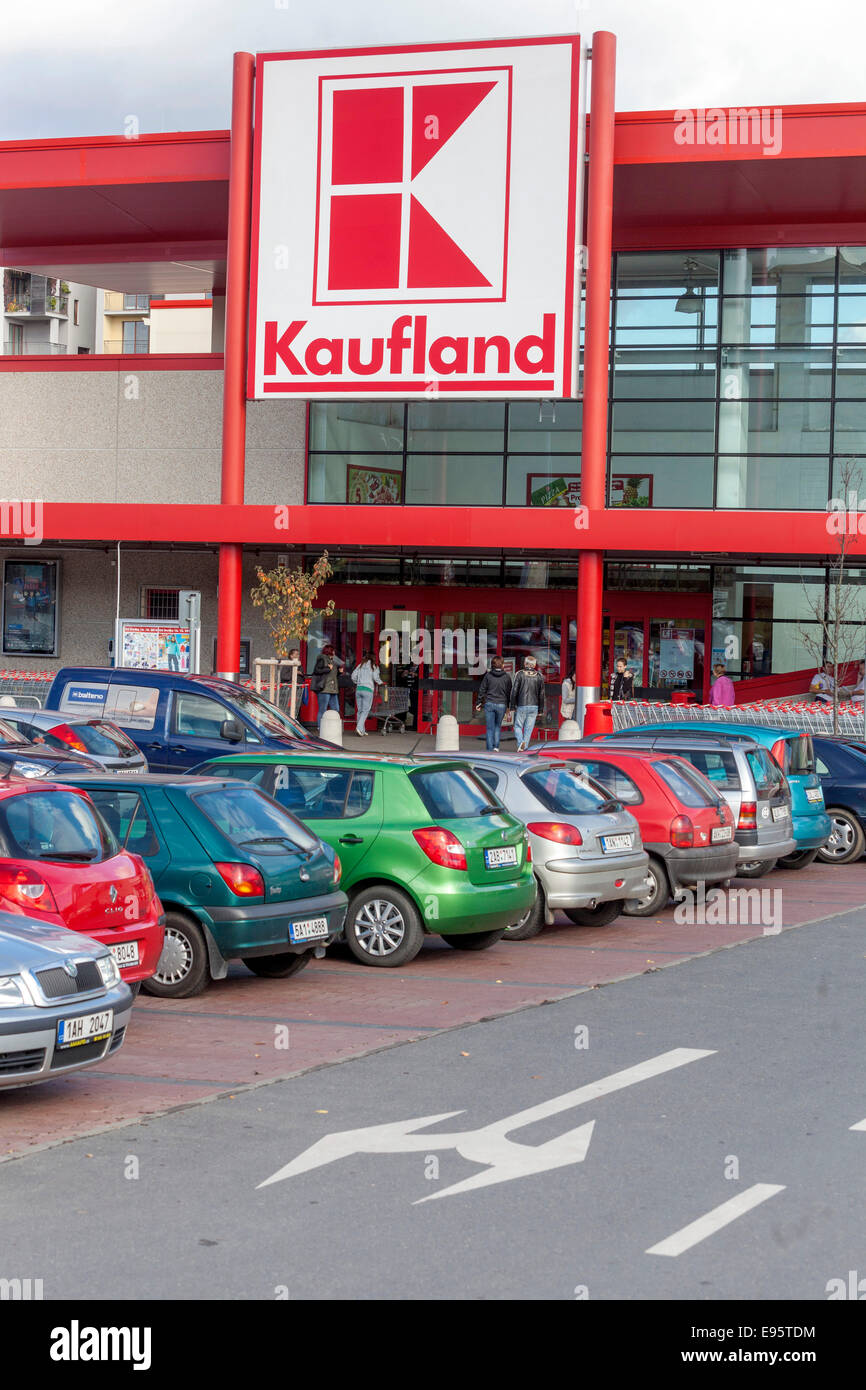
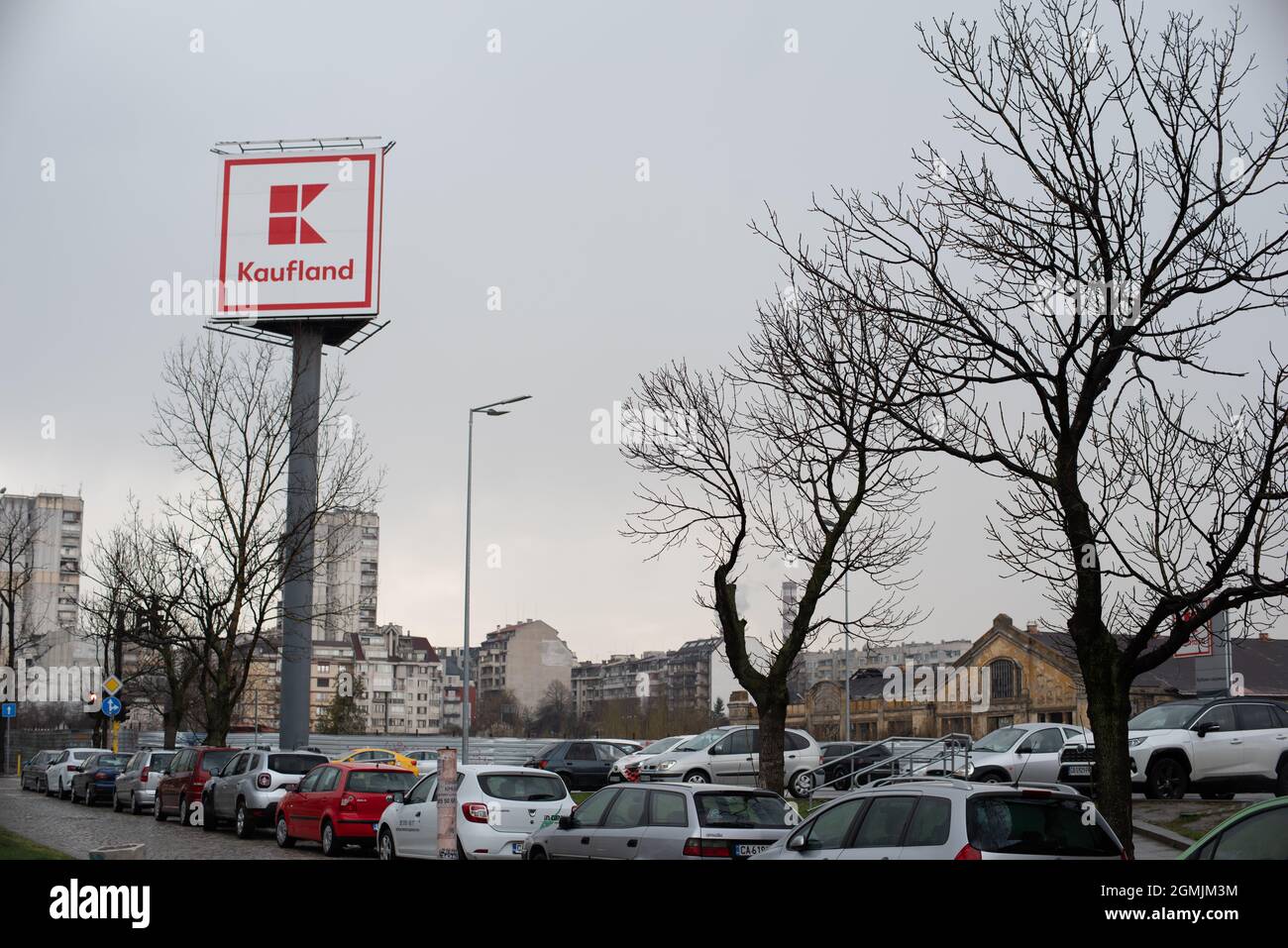
In a strategic shift for urban retail logistics, Kaufland, the German-owned hypermarket giant, has begun implementing a new program offering parking spaces for rent in Sofia, Bulgaria. This initiative represents a departure from the traditional retail model where parking facilities are exclusively reserved for shoppers during business hours. By optimizing the use of its real estate footprint, the company is exploring new ways to integrate its physical locations into the broader urban infrastructure of the Bulgarian capital.
As the retail sector faces increasing pressure to maximize the utility of existing assets, large-scale operators are increasingly looking at their property holdings through a lens of diversified revenue streams. The decision to make parking spots available for lease in Sofia reflects broader trends in European retail, where hypermarket chains are leveraging their extensive land ownership to address common urban challenges, such as the persistent demand for secure parking in high-density areas. This move is part of the company’s wider strategy under the Schwarz Gruppe, which continues to expand its retail footprint while managing a vast network of over 1,500 stores across Europe, including its operations in Bulgaria, Germany, and beyond according to corporate data verified by public record.
Strategic Use of Real Estate in Urban Centers
The decision to rent out parking spaces serves a dual purpose for retailers operating in major metropolitan areas like Sofia. Firstly, it offers a practical solution to local residents and commuters who struggle with limited parking availability. By providing managed, secure parking solutions, the company is effectively utilizing space that might otherwise remain under-occupied during off-peak hours or in specific zones where customer demand for retail parking does not reach maximum capacity.
From an economic perspective, this approach aligns with the company’s history of adapting its business model to regional needs. Since its inception in 1984, the Schwarz Gruppe has maintained a focus on efficiency, evolving from its roots as a food wholesaler to a global retail powerhouse with annual revenues reaching €35.2 billion as of 2024 as reported in recent financial summaries. By monetizing non-core assets like parking infrastructure, the organization is testing how traditional hypermarkets can serve as multifunctional hubs within the modern city.
What This Means for Sofia Residents
For the residents of Sofia, the availability of these parking spaces could provide a reliable alternative to on-street parking, which is often subject to strict regulatory oversight and limited availability. While the specific terms of these rental agreements—such as monthly rates, duration of leases, and site-specific availability—are managed at the local level by the company’s regional management, the move signals a broader trend of “space-as-a-service” within the retail industry. Potential users are encouraged to monitor official company announcements or visit their local hypermarket information desks for the most current details regarding space availability and application processes.
such initiatives are subject to local zoning laws and municipal regulations governing private parking usage. As the retail landscape continues to shift, the integration of services like parking rentals allows large-scale operators to deepen their local presence while providing tangible benefits to the surrounding community. This evolution is consistent with the company’s long-standing operational history, which has seen the retailer expand its services from simple meat departments and warehouse facilities to the comprehensive hypermarket experience seen today consistent with the company’s historical development records.
Looking Ahead
As Kaufland continues to refine its operations in Bulgaria, the success of this parking program may influence future property management strategies across its other European markets. With a workforce of 157,000 employees globally, the company remains one of the largest retail employers in Europe, and its ability to innovate within its existing store environments is a critical component of its ongoing market relevance based on the latest available corporate metrics.
For those interested in how this initiative will develop, the next logical step will be the release of further details regarding specific locations participating in the program and the formalization of rental contracts for interested parties. We will continue to monitor these developments as more information becomes available from official company channels.
What are your thoughts on retailers opening their facilities to the public for non-retail services? Do you believe this will alleviate parking congestion in Sofia? Share your insights and join the conversation below.
Keep reading