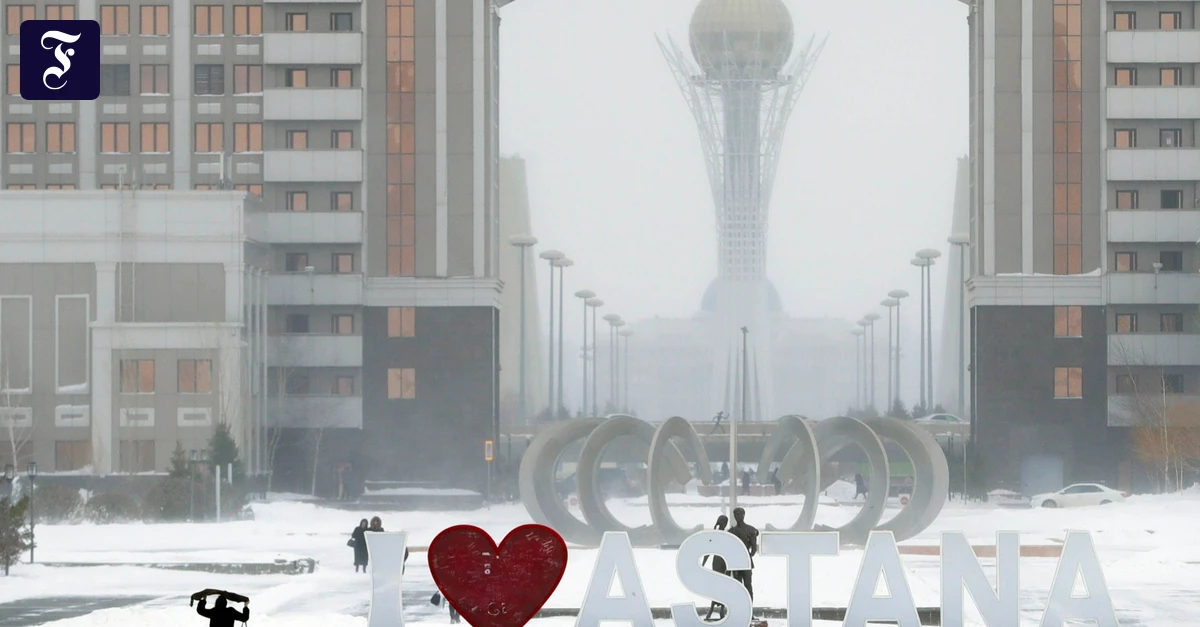
Astana, Kazakhstan – As geopolitical shifts reshape global supply chains, Germany is increasingly focused on diversifying its sources of raw materials, particularly as it seeks to reduce its reliance on China. Kazakhstan, rich in mineral resources, is emerging as a potential alternative, but realizing this potential is proving complex, hampered by logistical challenges and investor hesitancy. The relationship presents both opportunities and obstacles for both nations as Germany navigates a changing world order.
Kazakhstan possesses significant reserves of key minerals crucial for modern industry, including uranium, copper, zinc, lead, and rare earth elements. These resources are attracting attention from European nations, particularly Germany, which is striving to secure stable and reliable supply chains for its manufacturing sector and its transition to green technologies. The drive for diversification is fueled by concerns over geopolitical risks associated with concentrating supply in a single country, as well as a desire to promote more sustainable and ethical sourcing practices. The potential for Kazakhstan to fill this gap is substantial, but several factors are influencing the pace and scale of investment.
Kazakhstan’s Resource Wealth: A Strategic Asset
Kazakhstan’s geological endowment makes it a significant player in the global resource market. The country holds the world’s largest reserves of uranium, accounting for approximately 40% of global production, according to the World Nuclear Association. Beyond uranium, Kazakhstan is a major producer of copper, zinc, lead, and chromium. Increasingly, attention is turning to the country’s potential in rare earth elements, vital components in electric vehicles, wind turbines, and other green technologies. These resources are largely concentrated in deposits across the country, including the Jezkazgan and Karazhal regions.
The Kazakh government has actively sought to attract foreign investment in its mining sector, offering various incentives and streamlining regulatory processes. In 2023, Kazakhstan implemented a modern mineral code aimed at attracting investment and promoting sustainable development of its mineral resources. This code includes provisions for increased transparency, environmental protection, and local content requirements. However, navigating the regulatory landscape and securing necessary permits can still be challenging for foreign companies. The country’s commitment to responsible mining practices is also under scrutiny, with concerns raised about environmental impacts and labor standards.
The Eurasian Land Bridge and Logistics Challenges
A key advantage for Kazakhstan in supplying European markets is its geographic location and its role in the Eurasian Land Bridge. This network of railways provides a crucial link between Asia and Europe, offering a potentially faster and more cost-effective alternative to maritime shipping. The Trans-Siberian Railway, a vital component of the Land Bridge, connects Kazakhstan to Russian ports on the Pacific Ocean, from where goods can be shipped to Europe. However, the efficiency of this route is affected by several factors, including rail capacity, border crossing procedures, and geopolitical considerations. As of November 2007, about one percent of the $600 billion in goods shipped from Asia to Europe each year were delivered by inland transport routes.
The ongoing conflict in Ukraine and the resulting sanctions against Russia have disrupted traditional trade routes and increased the importance of alternative transportation corridors. Even as the Eurasian Land Bridge offers a potential solution, it also presents risks, including potential delays and disruptions due to geopolitical instability. The differing rail gauges between Kazakhstan, Russia, and Europe require transshipment of goods at the border, adding to the cost and complexity of transportation. Addressing these logistical challenges is crucial for Kazakhstan to become a reliable supplier of raw materials to Germany and the wider European market.
German Investment and Investor Concerns
Despite the potential benefits, German investment in Kazakhstan’s mining sector has been relatively cautious. While several German companies have expressed interest in exploring opportunities, actual investment levels remain below expectations. Several factors contribute to this hesitancy. One key concern is the perceived political risk associated with investing in Kazakhstan, including issues related to governance, corruption, and the rule of law. Concerns about contract sanctity and the potential for arbitrary government intervention also weigh on investors’ minds.
Another challenge is the lack of well-developed infrastructure in some regions of Kazakhstan, particularly in remote areas where mineral deposits are located. This can increase the cost of developing and operating mines, as well as complicate logistics and transportation. Environmental regulations and permitting processes can also be complex and time-consuming, adding to the challenges faced by investors. The availability of skilled labor and the require for workforce development are important considerations. German companies are also increasingly focused on environmental, social, and governance (ESG) factors, and they expect their investments to align with these principles.
Addressing the Challenges: A Path Forward
To attract greater German investment, Kazakhstan needs to address these concerns and create a more favorable investment climate. Strengthening governance, improving transparency, and ensuring the rule of law are essential steps. Investing in infrastructure development, particularly in transportation and energy, is also crucial. Streamlining regulatory processes and reducing bureaucratic hurdles can build it easier for companies to obtain permits and operate mines. Promoting sustainable mining practices and ensuring environmental protection are also important for attracting ESG-conscious investors.
Germany, for its part, can play a role in supporting Kazakhstan’s efforts to improve its investment climate. Providing technical assistance and expertise in areas such as governance, environmental regulation, and workforce development can help Kazakhstan address its challenges. Encouraging dialogue between German companies and the Kazakh government can also help to build trust and facilitate investment. Germany can explore opportunities for joint ventures and partnerships with Kazakh companies, sharing expertise and resources.
The Broader Geopolitical Context
The growing interest in Kazakhstan’s resources is part of a broader trend towards diversification of supply chains and a reassessment of geopolitical risks. The COVID-19 pandemic and the war in Ukraine have highlighted the vulnerabilities of relying on a limited number of suppliers for critical materials. Countries around the world are seeking to build more resilient and diversified supply chains, reducing their dependence on any single country or region. This trend is likely to continue in the coming years, creating further opportunities for Kazakhstan to become a key supplier of raw materials to Europe.
However, Kazakhstan also faces competition from other resource-rich countries, including Australia, Canada, and Chile. To succeed, Kazakhstan needs to differentiate itself by offering competitive terms, a stable investment climate, and a commitment to sustainable development. The country’s strategic location and its role in the Eurasian Land Bridge provide a unique advantage, but realizing this potential requires sustained effort and investment.
Looking ahead, the relationship between Germany and Kazakhstan is poised to become increasingly important. As Germany seeks to secure its supply of raw materials and reduce its dependence on China, Kazakhstan offers a viable alternative. However, realizing this potential requires addressing the challenges outlined above and building a strong and sustainable partnership based on mutual trust and benefit. The next key development to watch will be the outcome of ongoing negotiations between German and Kazakh officials regarding long-term supply agreements, expected to conclude in the fourth quarter of 2026.
Key Takeaways:
- Kazakhstan possesses significant reserves of critical minerals, including uranium, copper, and rare earth elements.
- Germany is seeking to diversify its raw material supply chains and reduce its reliance on China.
- Logistical challenges, including rail capacity and border crossings, hinder the efficiency of the Eurasian Land Bridge.
- Investor concerns regarding political risk, governance, and infrastructure development are slowing German investment in Kazakhstan.
- Addressing these challenges and fostering a strong partnership are crucial for realizing Kazakhstan’s potential as a key supplier to Europe.
What are your thoughts on Kazakhstan’s potential as a key resource supplier? Share your comments below and let us know how these developments might impact global supply chains.