

In a move that signals a profound shift in the nation’s approach to human capital development, Kazakhstan has officially embarked on a systematic integration of artificial intelligence into its secondary education system. President Kassym-Jomart Tokayev has signed a landmark decree aimed at embedding AI-driven technologies within the country’s school curriculum and administrative frameworks, marking a decisive step in the nation’s broader digital transformation agenda.
This policy intervention is not merely a technological upgrade; it is a strategic repositioning of the Kazakhstani education system to meet the demands of a rapidly evolving global economy. By introducing AI in Kazakhstan education at the secondary level, the administration seeks to move away from traditional, rote-learning models toward a more personalized, data-driven pedagogical approach. The decree outlines a roadmap for integrating intelligent tutoring systems, automated assessment tools, and AI-assisted administrative platforms across the nation’s vast network of schools.
For policymakers in Astana, the timing is critical. As the global economy becomes increasingly defined by automation and algorithmic intelligence, the ability of a workforce to interact with, manage, and build upon these technologies will determine national competitiveness. This secondary education reform is designed to ensure that the next generation of Kazakhstani citizens enters the labor market not just as consumers of technology, but as proficient users and innovators within a digital-first landscape.
A Strategic Shift in the Kazakhstani Classroom
The core of the new mandate focuses on the dual application of artificial intelligence: enhancing the learning experience for students and optimizing the workload for educators. The artificial intelligence implementation strategy is expected to prioritize the development of adaptive learning platforms. These systems use machine learning algorithms to analyze individual student performance in real-time, identifying specific knowledge gaps and adjusting the difficulty and style of content accordingly.
This move toward AI-driven learning addresses one of the most persistent challenges in large-scale public education: the “one size fits all” instructional model. In a country as geographically diverse as Kazakhstan, where students in urban centers like Astana and Almaty may have vastly different access to resources than those in rural regions, adaptive AI tools offer a potential equalizer. By providing high-quality, personalized instruction through digital interfaces, the state aims to standardize educational outcomes regardless of a student’s physical location.
the decree emphasizes the importance of digital literacy as a core competency. Beyond using AI to learn mathematics or language, students will be introduced to the logic of algorithms, the ethics of data usage, and the fundamental principles of computational thinking. This foundational knowledge is intended to prepare them for high-value sectors such as fintech, software engineering, and data science, which are central to the country’s economic diversification goals.
Empowering Educators through Digital Transformation
A common misconception regarding the automation of education is that technology seeks to replace the teacher. However, the Kazakhstani government’s framework emphasizes that educational technology in Kazakhstan is intended to serve as an augmentative tool. One of the primary objectives of the decree is to alleviate the administrative burden on teachers through AI-assisted grading and attendance tracking, allowing educators to focus more on mentorship and complex instruction.

To facilitate this, a significant portion of the initiative is dedicated to teacher training for AI. Recognizing that the success of this reform hinges on the proficiency of the teaching workforce, the government has signaled plans for comprehensive professional development programs. These programs will focus on how to integrate AI tools into lesson planning, how to interpret data analytics provided by student platforms, and how to navigate the ethical complexities of classroom AI usage.
The integration of these tools is expected to provide teachers with a “digital co-pilot.” For instance, AI can provide immediate feedback on student assignments, flagging common errors across an entire class. This allows the teacher to pivot their instruction mid-lesson to address specific misconceptions, making the classroom environment more responsive and dynamic. This shift from reactive to proactive teaching is a cornerstone of the Kazakhstani education technology strategy.
The Economic Logic: Building a Future-Ready Workforce
From an economic perspective, the decision to invest heavily in AI within the school system is a long-term play for national resilience. As a senior economist, I view this not just as an educational policy, but as an industrial policy. The global transition toward the “Fourth Industrial Revolution” requires a workforce that is inherently adaptable. By embedding AI into the very fabric of secondary schooling, Kazakhstan is attempting to mitigate the risk of structural unemployment caused by automation.
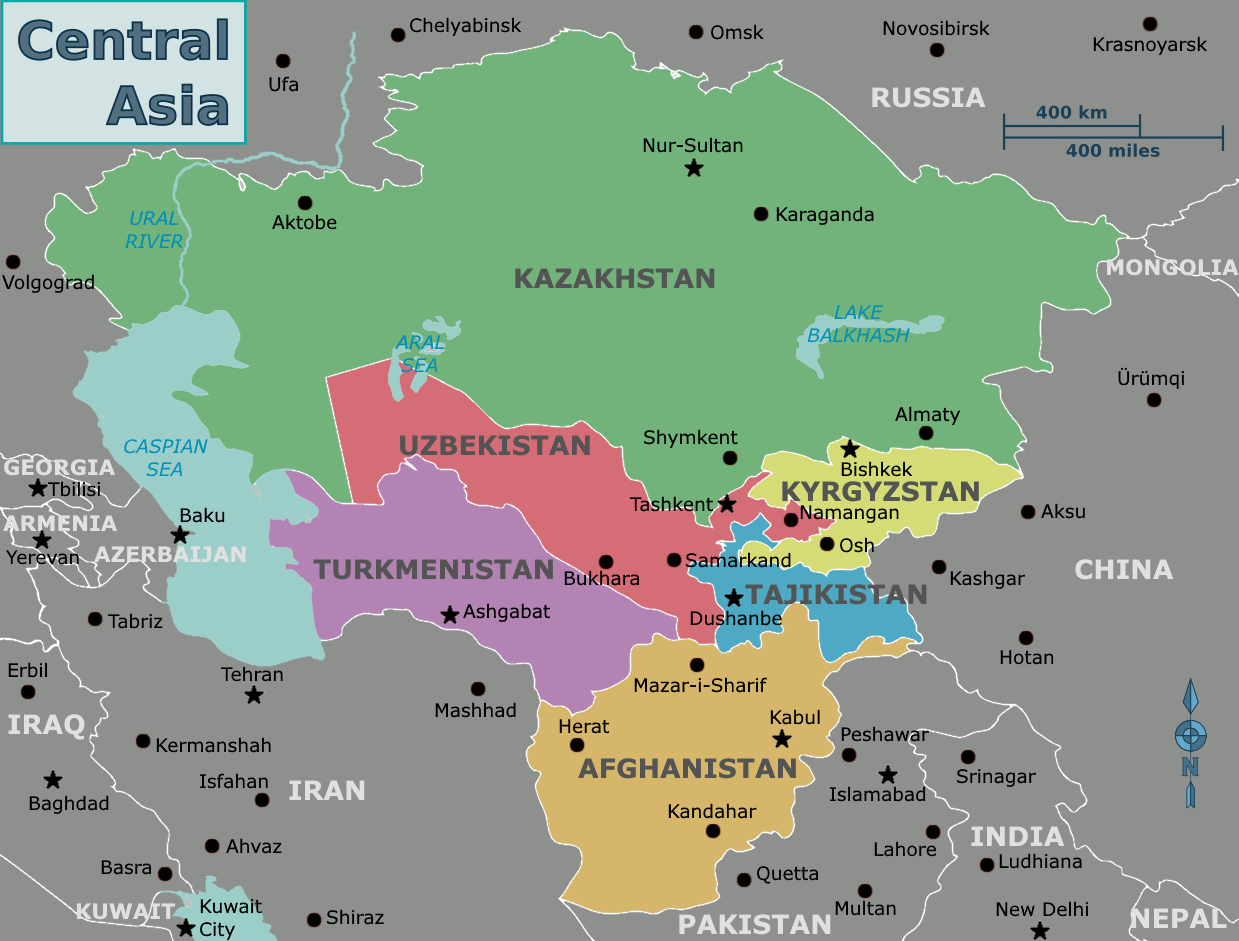
The digital transformation in schools is designed to create a pipeline of talent for the burgeoning tech sectors in Central Asia. As the region seeks to diversify its economies away from traditional commodities and toward high-tech services, the availability of a digitally fluent workforce becomes a primary competitive advantage. This initiative aligns with the broader “Digital Kazakhstan” framework, which seeks to modernize all sectors of the economy through technological adoption.
the ability to produce a highly skilled workforce can attract foreign direct investment (FDI) in the technology and manufacturing sectors. Multinational corporations are increasingly looking for locations that offer not just low costs, but high levels of technical competence. By establishing a robust foundation of AI-driven learning at the secondary level, Kazakhstan is positioning itself as a regional hub for digital innovation.
Navigating the Challenges of Digital Integration
Despite the ambitious vision, the implementation of such a sweeping mandate is fraught with logistical and ethical hurdles. The most immediate challenge is the “digital divide.” While major cities are well-equipped with high-speed internet and modern hardware, ensuring that schools in remote provinces have the necessary infrastructure to support AI platforms is a massive undertaking. Without equitable access to hardware and connectivity, there is a significant risk that AI integration could inadvertently widen the inequality gap between urban and rural students.
Data privacy and security represent another critical frontier. AI systems rely on the collection and analysis of vast amounts of student data to function effectively. Establishing rigorous frameworks to protect the privacy of minors and ensuring that this data is not misused by third-party providers will be essential to maintaining public trust. The government will need to establish clear regulatory standards regarding data sovereignty and algorithmic transparency.
Finally, there is the challenge of “algorithmic bias.” If the AI models used in classrooms are trained on datasets that do not reflect the cultural or linguistic nuances of the Kazakhstani population, they may produce skewed or inaccurate results. Ensuring that the technology is culturally relevant and pedagogically sound requires continuous oversight and a commitment to localized development of educational software.
Key Takeaways: Kazakhstan’s AI Education Roadmap
- Mandated Integration: President Tokayev has signed a decree to embed AI into the secondary education system.
- Personalized Learning: The focus is on using adaptive algorithms to tailor instruction to individual student needs.
- Teacher Support: AI is positioned as a tool to reduce administrative workloads and enhance pedagogical efficacy.
- Economic Strategy: The move is a long-term investment to create a future-ready, digitally fluent workforce.
- Critical Hurdles: Success depends on bridging the digital divide, ensuring data privacy, and preventing algorithmic bias.
Frequently Asked Questions
Will AI replace teachers in Kazakhstan?
No. The government’s policy explicitly frames AI as a supportive tool designed to handle administrative tasks and provide data insights, allowing teachers to focus more on direct student interaction and mentorship.

How will students be taught to use AI?
The curriculum will include digital literacy and computational thinking, teaching students not just how to interact with AI, but the underlying logic and ethical implications of the technology.
What is the main goal of this decree?
The primary goal is to modernize the education system to ensure that Kazakhstani students are prepared for the high-tech demands of the future global economy, thereby boosting national competitiveness.
Will this affect rural schools differently?
The government aims for nationwide implementation, but the success of the program in rural areas depends heavily on the ongoing rollout of digital infrastructure and high-speed internet access.
The next milestone for this initiative will be the release of the specific technical standards and the initial pilot program results, which are expected to be reported by the Ministry of Education in the coming months. We will continue to monitor the implementation of this decree and its impact on the classroom environment.
What are your thoughts on the integration of AI in schools? Do you believe it will bridge the inequality gap or create new challenges? Share your views in the comments below and share this article with your network.