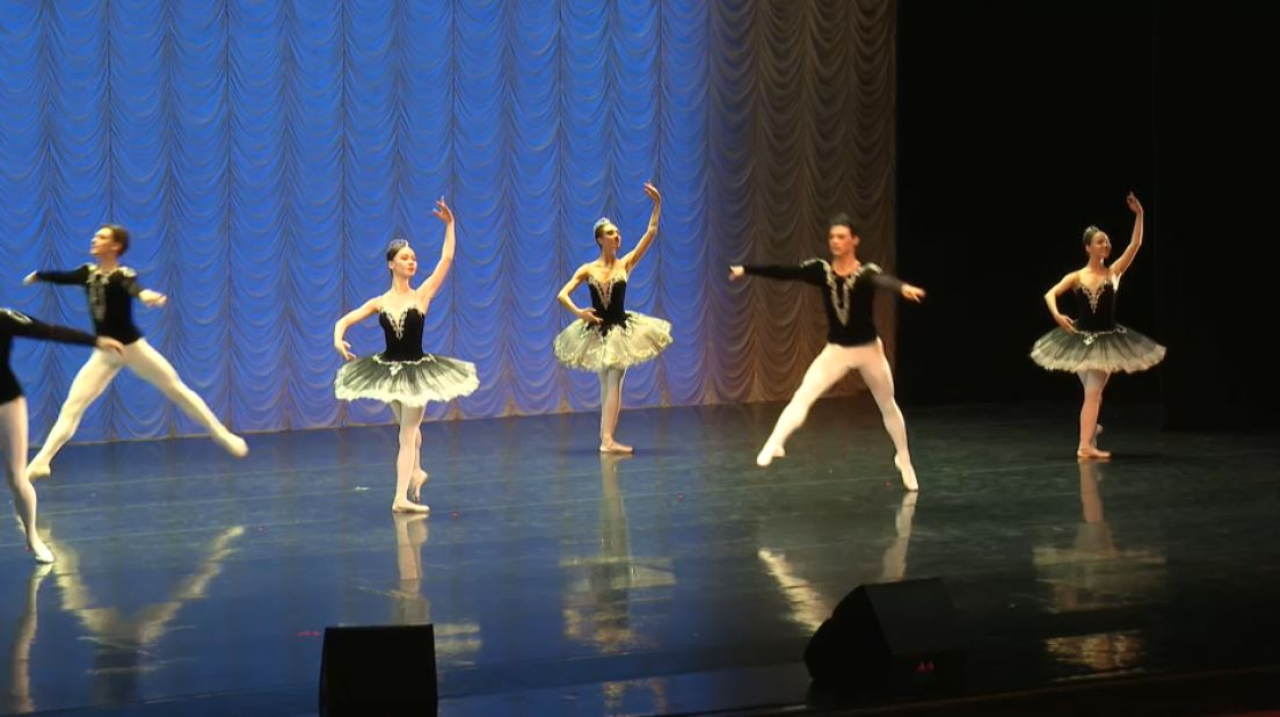
In a significant cultural observance, Kazakhstan recently marked its professional holiday for workers in the field of culture and art, a day dedicated to honoring the creative professionals who shape the nation’s artistic landscape. The celebration serves as a formal recognition of the vital role that artists, performers and cultural administrators play in preserving national heritage while fostering contemporary creative expression.
As the creative economy continues to gain momentum as a strategic priority for national development, the state has increasingly focused on supporting the individuals who drive this sector. According to current estimates, approximately 60,000 professionals are employed within the cultural and artistic industries across the country, a figure that underscores the scale and economic significance of the sector’s workforce. The government’s ongoing efforts to provide support—ranging from professional training initiatives to the provision of state scholarships—reflect a broader commitment to integrating culture into the nation’s long-term economic strategy.
The Evolving Economic Role of Culture
The perception of the arts in Kazakhstan has shifted significantly in recent years, moving from a purely social or recreational focus toward viewing cultural production as a tangible economic asset. Industry experts have highlighted that the creative sector acts as a catalyst for job creation and investment, functioning much like other high-growth industries. This transition is supported by a suite of state-led measures designed to foster professional growth, including targeted funding for artistic projects, investment subsidies for creative enterprises, and structured tax incentives for producers.
These initiatives are part of a wider effort to enhance the global competitiveness of Kazakhstani creative output. By professionalizing the industry, the state aims to increase the export potential of its cultural products, which in turn facilitates cultural exchange and bolsters national income. The emphasis on professional development—often manifested through specialized training and the recognition of excellence during national holidays—serves to retain talent within the country and encourage the emergence of new artistic forms.
Strategic Integration and Future Outlook
Beyond the immediate celebration of professional achievements, the focus remains on the long-term sustainability of the cultural workforce. The integration of creative industries into the national economy is not merely about aesthetic output. it is about building a robust infrastructure that supports the entire lifecycle of a creative project, from ideation to distribution. As the sector matures, policymakers are increasingly looking at how film, design, music, and traditional arts can be leveraged to drive regional development and promote tourism.
For the thousands of professionals working in this sphere, the state’s recognition provides a necessary framework for stability and growth. The ongoing investment in this workforce is expected to continue as the country seeks to diversify its economic base. By elevating the status of those working in the arts, the government is signaling that cultural identity is a foundational pillar of its broader development agenda.
Looking Ahead
As the sector moves forward, the primary focus for stakeholders remains the implementation of current support programs and the expansion of investment opportunities for independent creators. Further details regarding the next cycle of state scholarships and professional grant applications are typically announced through the Ministry of Culture and Information of the Republic of Kazakhstan. Professionals and interested parties are encouraged to monitor official government portals for upcoming deadlines and policy updates regarding industry support measures.

The recognition of these professionals remains a cornerstone of the national cultural calendar, ensuring that the contributions of artists and cultural workers remain at the forefront of the public discourse. We welcome our readers to share their thoughts on the evolving role of creative industries in today’s economy in the comments section below.
Related reading