
The National Office of Electoral Processes (ONPE) in Peru continues to process ballots from the recent presidential runoff election, a process characterized by a narrow margin between candidates Keiko Fujimori and Pedro Castillo. As of the most recent official updates, the electoral authority is working to tabulate votes from rural areas and international polling stations, which remain critical to determining the final outcome of the contest. According to the official ONPE data portal, the lead between the two candidates has fluctuated significantly as regional tallies are incorporated into the national count.
The ongoing scrutiny of the election results, which has seen Keiko Fujimori and Pedro Castillo swap leads by hundreds of votes at various stages, highlights the deep political divide within the nation. Electoral officials have emphasized that the final result remains pending until all challenges to specific polling station records are resolved by the National Jury of Elections (JNE). As reported by Reuters, the volatility of the count is a standard feature of the Peruvian electoral system, where votes from geographically isolated regions and overseas citizens are often the final segments to be integrated into the national total.
Understanding the Electoral Scrutiny Process
The process of finalizing the election results involves more than simple arithmetic. Under Peruvian electoral law, political parties have the right to challenge individual tally sheets (actas) if they detect irregularities or mathematical errors. These challenges are then adjudicated by the National Jury of Elections, which serves as the final arbiter in electoral disputes. This legal mechanism is the primary reason why the declaration of a winner often takes several days or even weeks following the initial vote.
Observers from international organizations, including the Organization of American States (OAS), have been present to monitor the transparency of the proceedings. In statements provided to the media, these observers have generally characterized the process as consistent with established democratic protocols, despite the intense scrutiny from both political camps. The reliance on paper ballots and the manual transmission of data from remote locations to the central office in Lima are factors that contribute to the extended timeline required for a definitive count.
The Role of Overseas and Rural Votes
A significant factor in the current narrowing of the margin is the influx of votes from Peruvian citizens residing abroad. Historically, these voters have shown a preference for center-right candidates, which has provided a boost to the Fujimori campaign in the final stages of the count. According to data published by the JNE, the overseas vote represents a non-trivial portion of the electorate that can shift the balance in such a closely contested race.
Conversely, the rural vote, which is traditionally counted later due to logistical challenges in transporting physical records, has favored Pedro Castillo in previous rounds. The combination of these two distinct voting blocs creates a “see-saw” effect in the national tally. The ONPE has repeatedly urged the public and the political parties to remain calm and await the final, verified results before declaring a victory or alleging widespread fraud.
Next Steps in the Electoral Timeline
The next confirmed checkpoint for the electoral process is the conclusion of the review of appealed tally sheets by the Jurados Electorales Especiales (JEE). Once these decentralized bodies finalize their decisions, parties may still appeal to the central JNE, which will issue final, unappealable rulings. There is no set date for the final announcement of the president-elect, as this depends entirely on the volume of challenges filed by the legal teams representing the two candidates.
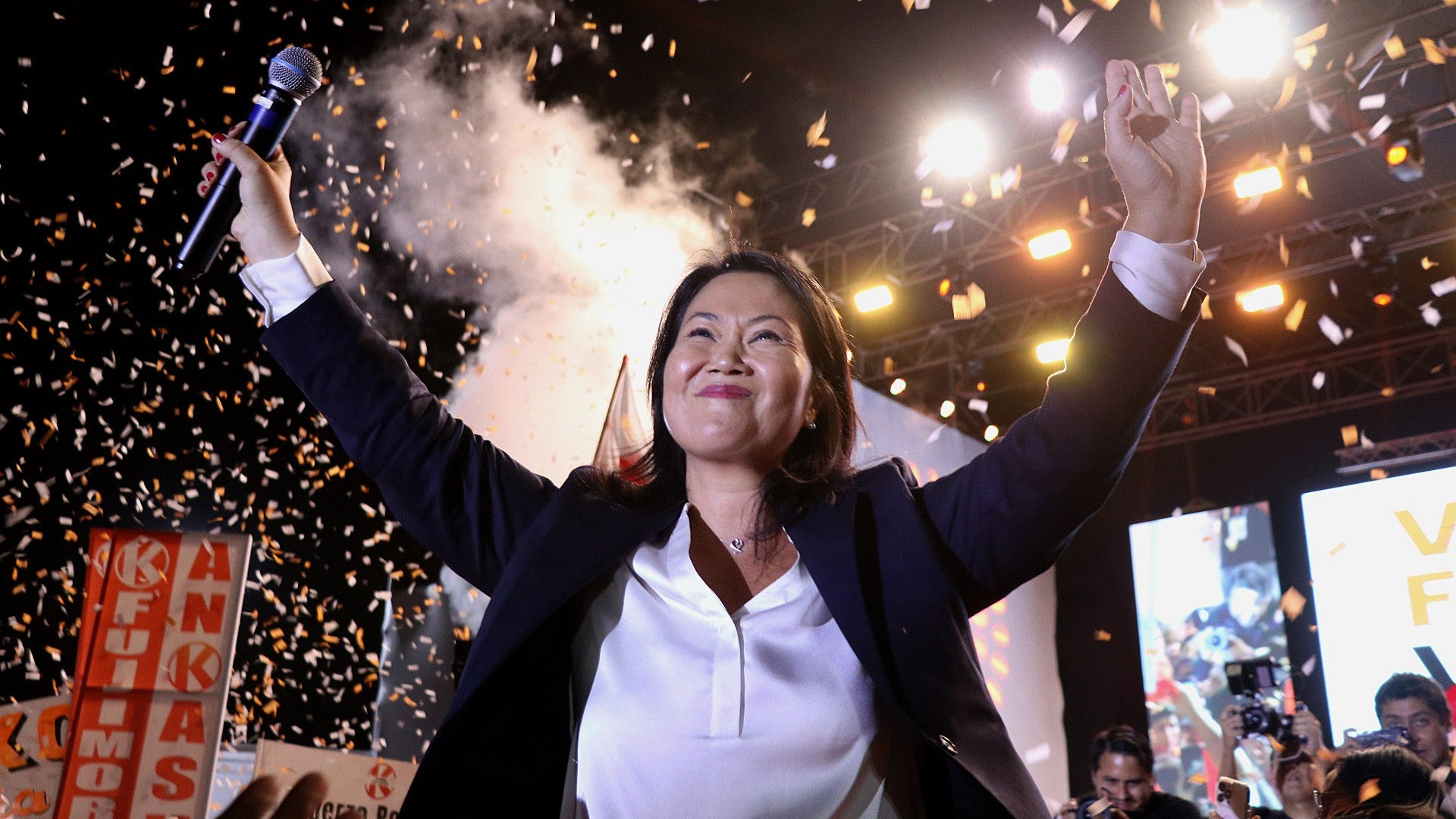
Citizens and international observers can track the real-time progress of the count through the official portal managed by the ONPE. The institution has committed to providing continuous updates as new batches of data are verified and digitized. We encourage our readers to participate in the conversation by sharing their perspectives on the democratic process in the comment section below, provided that all discourse remains focused on verified developments and respectful of the electoral institutions.