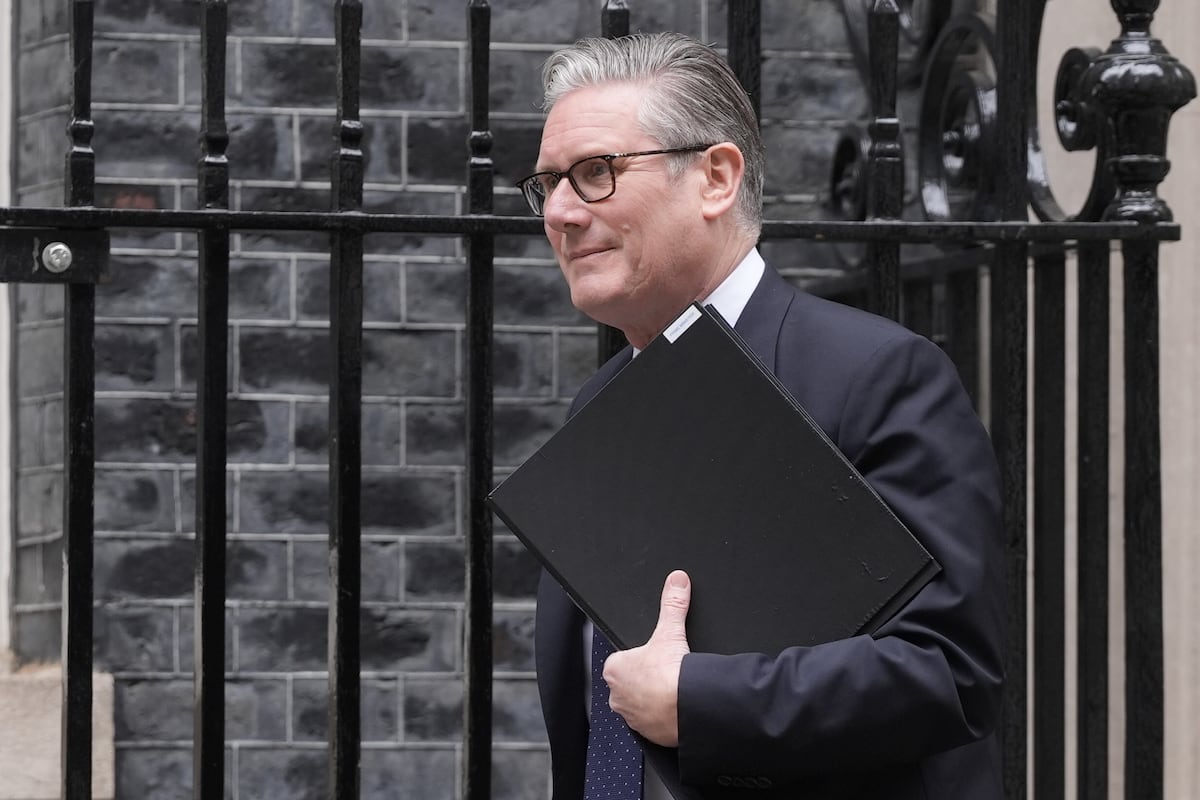
Keir Starmer has found himself at the centre of a growing political storm following renewed scrutiny over his government’s handling of the appointment and subsequent recall of Peter Mandelson as the UK’s ambassador to the United States. The controversy intensified after Mandelson’s arrest by British police in February 2026 over alleged connections to the late financier Jeffrey Epstein, prompting sharp criticism from opposition figures who accuse the Prime Minister of deflecting responsibility for what they describe as a deeply flawed vetting process.
Speaking during a tense parliamentary session on 19 April 2026, Starmer maintained that he was not made aware of internal objections to Mandelson’s appointment until after the decision had been finalised, claiming the concerns were “deliberately withheld” from him. This assertion has done little to quell accusations from Conservative and Scottish National Party MPs that the Labour leader is attempting to shift blame onto civil servants rather than acknowledge ministerial accountability in one of the most sensitive diplomatic appointments in recent memory.
The episode raises significant questions about due diligence in high-level government appointments, particularly those involving individuals with complex personal and professional histories. Mandelson, a former EU Commissioner and two-time UK Secretary of State for Business, Innovation and Skills, had long been a controversial figure within Labour circles due to past allegations of cronyism and his close ties to influential business figures. His nomination to Washington in late 2025 was met with quiet apprehension among some senior officials, though no formal veto was recorded at the time.
According to government sources cited by the BBC, the decision to appoint Mandelson was made following a recommendation from the Prime Minister’s office, with final approval resting with the Foreign, Commonwealth and Development Office (FCDO). Yet, internal emails later obtained by The Guardian suggest that at least two senior diplomats expressed reservations about the appointment, citing Mandelson’s historical associations and the potential for reputational risk to the UK’s international standing.
These concerns appeared to materialise when, on 23 February 2026, the Metropolitan Police announced the arrest of Peter Mandelson in connection with an ongoing investigation into alleged sex trafficking offences linked to Jeffrey Epstein’s network. The arrest, which occurred at Mandelson’s London residence, was carried out under a warrant issued by the City of London Police following months of covert surveillance. He was released on bail pending further investigation, though no charges have been filed as of April 2026.
The timing of the arrest has reignited debate over whether sufficient background checks were conducted prior to Mandelson’s appointment. Under the UK’s Senior Appointments Protocol, all nominees for ambassadorial roles undergo enhanced vetting by the Cabinet Office, including scrutiny of financial interests, foreign contacts, and any associations that could pose a security or reputational risk. While the Cabinet Office has not confirmed whether any derogatory information was uncovered during Mandelson’s vetting, former officials have told The Financial Times that the process typically flags individuals with known ties to high-profile controversies.
Starmer’s claim that he was unaware of internal dissent has been met with scepticism by some parliamentary observers. In a letter to the Prime Minister dated 15 April 2026, the Chair of the Public Administration and Constitutional Affairs Committee urged greater transparency, noting that “if genuine concerns were raised within the FCDO or Cabinet Office and not escalated to the Prime Minister, it suggests a serious breakdown in internal communication protocols.” The committee has since announced it will hold an evidence session on 3 May 2026 to examine the appointment process and subsequent handling of the Mandelson case.
The incident has also drawn attention to the broader issue of how political figures navigate associations with individuals linked to Epstein, whose criminal network spanned decades and included allegations of sexual abuse involving minors. Though Mandelson has never been accused of any wrongdoing related to Epstein’s crimes, his name appeared in flight logs and social circles associated with the financier during the 2000s, a fact that has been repeatedly highlighted in media investigations.
In response to the growing pressure, the Labour government has reiterated its confidence in the propriety of the appointment process. A spokesperson for the Prime Minister told Sky News on 20 April 2026 that “all necessary checks were carried out in accordance with established guidelines, and the Prime Minister acted on the advice of his officials.” The government has declined to release the full vetting documentation, citing confidentiality rules governing personnel matters.
As the situation develops, the focus remains on whether the UK’s appointment mechanisms are sufficiently robust to prevent similar controversies in the future. With the next major checkpoint being the Public Administration Committee’s evidence session in early May, observers will be watching closely to notice whether new evidence emerges about what was known, when, and by whom within Whitehall.
For continued updates on this story and other developments in UK politics, follow our live coverage section. We encourage readers to share their thoughts in the comments and to spread this article across social platforms to help foster informed discussion.
Related reading