A Powerhouse Species in Peril: The Urgent Case for Protecting Our Kelp Forests
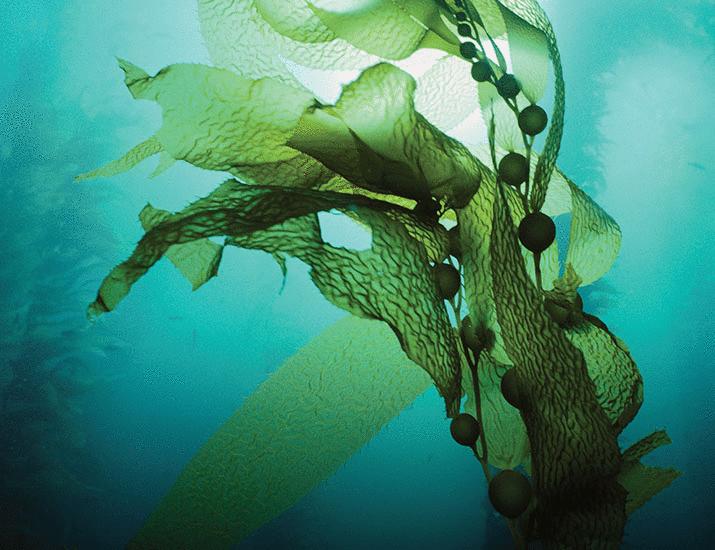
Imagine descending beneath the surface of a temperate ocean, leaving the rhythmic swell of the waves behind to enter a world of towering, amber-hued cathedrals. These are not trees of wood and bark, but the massive, undulating structures of kelp forests. Swaying in the surge, these underwater ecosystems are among the most productive and biologically diverse habitats on our planet. They act as the lungs of the ocean, the guardians of our coastlines, and a critical buffer against the escalating climate crisis.
Yet, beneath this surface-level majesty, a silent catastrophe is unfolding. From the cold waters of the Pacific to the southern reaches of the Great Southern Reef, these essential ecosystems are facing an unprecedented decline. As marine temperatures rise and ecological balances shift, the very foundations of our coastal ocean health are being eroded. For the scientific community and global policymakers, the disappearance of kelp is not just an environmental loss; This proves a systemic failure that threatens food security, coastal stability, and the ocean’s ability to regulate our climate.
As we navigate an era of rapid environmental change, understanding the complex biology and the multifaceted roles of kelp is no longer just an academic pursuit—it is a necessity for planetary survival. We must look closely at the science of these “powerhouse species” to understand why their peril is our own.
The Biological Engine: More Than Just Seaweed
To understand the importance of kelp, one must first understand its unique biological identity. While often colloquially referred to as “seaweed,” kelp belongs to a distinct group of organisms known as stramenopiles. They are large brown algae within the order Laminariales, and they operate on a biological scale that rivals terrestrial rainforests.
Unlike the plants we find on land, kelp lacks true roots. Instead, it utilizes a structure called a holdfast, which anchors the organism firmly to rocky substrates on the ocean floor. From this anchor, elongated, stem-like structures known as stipes extend upward toward the sunlight. Attached to these stipes are the lamina, or blades—the leaf-like structures responsible for the massive photosynthetic output that drives the entire ecosystem.
The growth rates of certain kelp species are nothing short of extraordinary. Genera such as Macrocystis and Nereocystis are capable of growing at rates that can reach several centimeters in a single day, allowing them to rapidly form vast, complex canopies that stretch toward the ocean surface. This rapid biomass production is the engine that fuels the entire kelp forest food web, providing both food and structural complexity for thousands of marine species.
A Global Carbon Powerhouse
Perhaps the most critical service kelp forests provide in the 21st century is their role in the global carbon cycle. As the world grapples with rising atmospheric CO2 levels, the ability of marine ecosystems to sequester carbon has moved to the forefront of climate science. Kelp forests are elite carbon fixers.
Through the process of photosynthesis, kelp absorbs dissolved carbon dioxide from seawater to build its massive physical structures. This process converts inorganic carbon into organic biomass. While terrestrial forests like the Amazon or the boreal forests of Canada are vital, the sheer density and growth speed of kelp allow these marine forests to function as highly efficient carbon sinks. Some scientific estimates suggest that the carbon fixation rates of kelp forests can rival or even exceed those of many terrestrial forest ecosystems on a per-area basis.

The mechanism of sequestration in kelp is unique. While some carbon remains within the local ecosystem, much of the biomass produced in these forests eventually breaks off and sinks into the deep ocean. This “export” of organic carbon to the deep sea effectively removes it from the short-term atmospheric cycle, potentially storing it for centuries. Protecting kelp forests is, a direct and potent strategy for natural climate change mitigation.
| Feature | Kelp Forests (Marine) | Boreal/Temperate Forests (Terrestrial) |
|---|---|---|
| Primary Growth Driver | Photosynthesis (Nutrient-rich upwelling) | Photosynthesis (Soil nutrients/Rainfall) |
| Carbon Sequestration Method | Biomass export to deep ocean floor | Long-term storage in wood and soil |
| Structural Role | Habitat for marine biodiversity/Nursery | Habitat for terrestrial biodiversity |
| Coastal/Land Protection | Dissipates wave energy/Prevents erosion | Prevents soil erosion/Regulates water cycle |
The Sentinel of the Coast: Biodiversity and Protection
Beyond their role in the carbon cycle, kelp forests serve as the biological infrastructure of the coastline. They are “foundation species,” meaning they create and define the environment for countless other organisms. A single kelp forest can support a staggering array of life, from microscopic invertebrates and colorful nudibranchs to commercially vital fish species and apex predators like sea otters and sharks.
For many species, the kelp canopy serves as a critical nursery. Juvenile fish find refuge from predators within the dense blades, allowing populations to stabilize before moving into the open ocean. This makes kelp forests indispensable to global fisheries and the human communities that rely on them for protein and economic stability.
kelp forests act as natural breakwaters. By absorbing and dissipating the energy of incoming waves, these underwater forests significantly reduce the impact of storm surges on coastal shorelines. This natural defense mechanism helps prevent coastal erosion, protects seaside habitats, and safeguards human infrastructure from the increasing volatility of ocean weather patterns.
The Peril: Why These Forests are Vanishing
Despite their resilience and rapid growth, kelp forests are currently under siege from a “perfect storm” of anthropogenic stressors. The very qualities that make them productive—their reliance on cold, nutrient-dense water—also make them highly vulnerable to the changing chemistry and temperature of our oceans.
1. Marine Heatwaves and Thermal Stress
The most immediate threat is the rising temperature of the global ocean. Kelp species are highly specialized to thrive in specific, often cool, temperature ranges. As marine heatwaves become more frequent and intense, kelp populations face physiological stress. When water temperatures exceed their thermal tolerance, kelp growth slows, reproductive success plummets, and massive “die-offs” can occur. This thermal stress is often compounded by a reduction in nutrient availability, as warmer waters tend to be more stratified, preventing the nutrient-rich deep water from rising to the surface (a process known as upwelling).
2. The Rise of Urchin Barrens
Perhaps the most visible sign of ecosystem collapse is the phenomenon known as “urchin barrens.” In a healthy kelp forest, herbivores like sea urchins are kept in check by predators, such as sea otters or certain species of fish. However, when these predator populations decline—due to overfishing, disease, or habitat loss—urchin populations can explode.
These “urchin barrens” occur when hyper-abundant urchins move from scavenging fallen kelp detritus to actively grazing on the living holdfasts of the kelp itself. By severing the kelp from its anchor, the urchins cause the entire structure to drift away and die. What was once a lush, vertical forest is transformed into a desolate, rocky wasteland dominated by a carpet of urchins, stripped of its biodiversity and carbon-sequestering capacity.
3. Pollution and Coastal Runoff
The health of kelp is also tied to the quality of the water in which it grows. Increased agricultural runoff, which introduces excess nitrogen and phosphorus into coastal waters, can trigger harmful algal blooms. These blooms can cloud the water, blocking the sunlight that kelp needs for photosynthesis, or lead to oxygen-depleted “dead zones” that suffocate the entire ecosystem.
The Path to Restoration: Can We Turn the Tide?
While the outlook is sobering, the scientific community is not standing idly by. A new frontier of “blue restoration” is emerging, combining traditional conservation with innovative biological engineering to revive lost kelp forests.
Urchin Management: One of the most effective immediate interventions involves the active removal of sea urchins from degraded areas. In some regions, divers and researchers are working to physically remove urchins or encourage the return of natural predators to restore the trophic balance.
Kelp Reforestation: Similar to terrestrial reforestation, scientists are experimenting with “outplanting” kelp. This involves cultivating resilient kelp strains in specialized nurseries and then transplanting them onto degraded reefs. These strains are often selected for their ability to withstand slightly higher temperatures, providing a form of “assisted evolution” to help the forest adapt to a warming world.
Policy and Marine Protected Areas (MPAs): Large-scale protection remains the most vital tool. By establishing Marine Protected Areas that restrict fishing and limit coastal runoff, we can provide kelp ecosystems with the “breathing room” they need to recover and build resilience against global stressors.
Key Takeaways for a Changing Climate
- Climate Mitigation: Kelp forests are massive carbon sinks, playing a vital role in removing CO2 from the ocean and atmosphere.
- Biodiversity Hubs: They provide essential habitat and nursery grounds for a vast array of marine life, supporting global food webs.
- Coastal Defense: Kelp acts as a natural buffer, protecting shorelines from erosion and wave energy.
- Urgent Threats: Ocean warming and the rise of “urchin barrens” are the primary drivers of kelp forest decline.
- Restoration Potential: Through urchin management, kelp outplanting, and robust MPAs, there is a scientific pathway to ecosystem recovery.
The fate of the kelp forest is a bellwether for the health of our oceans. As these ecosystems struggle to adapt to the rapid changes brought about by human activity, they remind us that the stability of the marine world is inextricably linked to our own. The science is clear: protecting these underwater cathedrals is not an act of charity for the ocean, but a fundamental necessity for a stable, breathable, and habitable planet.
As research into kelp resilience and carbon sequestration continues, we look toward upcoming international maritime climate summits for updated policy frameworks regarding marine carbon credits and expanded ocean protection mandates.
What do you think about the role of marine ecosystems in climate change? Share this article and join the conversation in the comments below.
Keep reading