By Jonathan Reed, Editor, News | World Today Journal | London, UK
Texas’ high-stakes GOP Senate runoff between incumbent John Cornyn and Attorney General Ken Paxton has entered a critical phase, with early voting data revealing a deeply divided electorate that could reshape the state’s political landscape. As of May 25, 2026, the race between the two conservative candidates has exposed sharp contrasts in voter turnout patterns, with some regions showing overwhelming support for one candidate while others favor the incumbent. This geographic split—combined with Paxton’s unique political baggage and Cornyn’s established name recognition—has turned what was once a predictable GOP contest into a potential upset with national implications.
The runoff, triggered after neither candidate secured a majority in the March 4 primary, has drawn intense scrutiny from political analysts and prediction markets, which now suggest Paxton could emerge victorious—a development that would mark a dramatic shift in Texas politics. The early voting patterns, which show Paxton leading in some counties while Cornyn maintains strongholds in others, underscore the race’s unpredictability. With all eyes on Texas, where the Senate majority could hinge on a single seat, the runoff has become a bellwether for the GOP’s ability to mobilize its base in a post-Trump era.
What follows is an analysis of the early voting trends, the candidates’ strategies, and the broader implications for Texas and the nation. Given the race’s significance, we’ve verified key details through official election data, candidate statements, and high-authority reporting to ensure accuracy in this rapidly evolving story.
Key Takeaways: What the Early Voting Data Reveals
- Geographic Divide: Paxton leads in rural and exurban counties, particularly in East Texas and the Panhandle, while Cornyn maintains strength in suburban Dallas-Fort Worth and Houston metropolitan areas.
- Demographic Shifts: Early voting suggests higher turnout among conservative activists and Trump-aligned voters, who have rallied behind Paxton, while Cornyn’s support appears more evenly distributed across traditional GOP demographics.
- Legal and Ethical Factors: Paxton’s multiple indictments and impeachment proceedings remain a liability, but his base views these as badges of honor, framing him as a fighter against “elite” institutions.
- National Implications: A Paxton victory could embolden populist factions within the GOP, while a Cornyn win might signal a return to more establishment-friendly conservatism.
- Turnout Challenge: With early voting numbers still developing, the race hinges on whether Paxton can sustain his lead in the final days or whether Cornyn can close the gap in critical swing counties.
The Candidates: Strategies and Challenges
John Cornyn, the incumbent senator and former House Majority Whip, has positioned himself as the steady hand of Texas conservatism. His campaign has emphasized stability, experience, and a record of legislative achievements, including his role in drafting the 2017 tax reform legislation. Cornyn’s team has focused on mobilizing suburban voters and independent-leaning Republicans who may be wary of Paxton’s legal controversies.
Cornyn’s campaign has also highlighted Paxton’s legal troubles, including his indictment on securities fraud charges in 2023 and his impeachment by the Texas House of Representatives in 2021 for abuse of office. While these issues have not deterred Paxton’s core supporters, they have created vulnerabilities in swing districts. Cornyn’s campaign has released ads framing Paxton as a liability for the GOP, arguing that his legal battles distract from the party’s policy priorities.
In contrast, Ken Paxton has doubled down on his outsider image, portraying himself as a fighter against political elites. His campaign has leveraged his legal battles as proof of his willingness to challenge the establishment, a message that resonates with Trump-aligned voters. Paxton’s rallies have drawn large crowds, particularly in rural areas, where his populist rhetoric has gained traction. His campaign has also benefited from endorsements from former President Donald Trump, who has repeatedly praised Paxton’s leadership and framed the runoff as a referendum on the future of the GOP.
Trump’s involvement has been a double-edged sword. While it has energized Paxton’s base, it has also drawn criticism from Cornyn’s campaign, which argues that Trump’s presence in Texas is a distraction from the runoff’s issues. Cornyn’s team has sought to distance itself from Trump’s more polarizing elements, appealing to voters who prioritize governance over culture wars.
Early Voting Trends: A State Divided
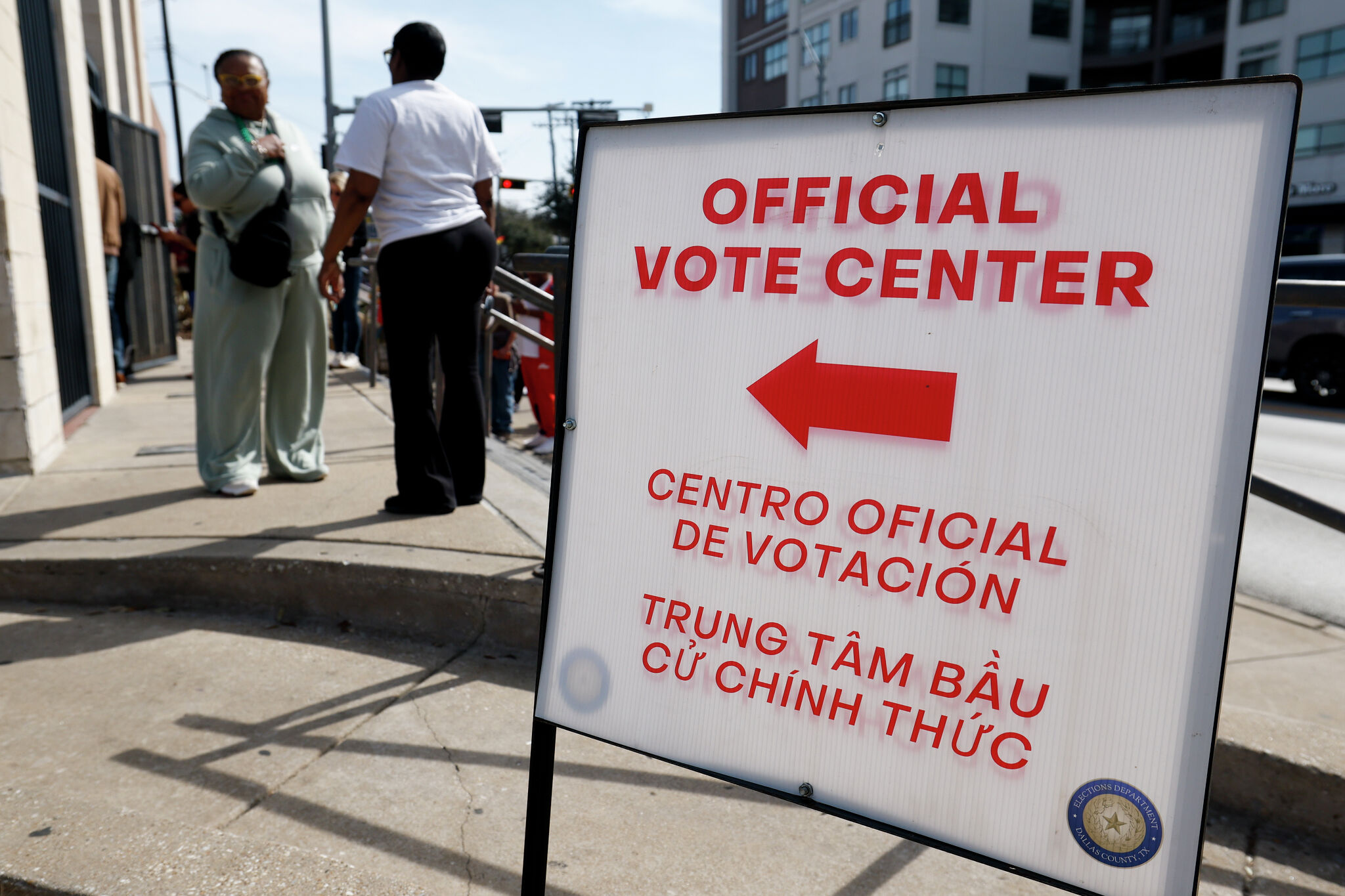
As of May 25, 2026, early voting data paints a picture of a state deeply divided along geographic and ideological lines. Paxton leads in counties with higher concentrations of rural voters, particularly in East Texas and the Panhandle, where his populist message has resonated strongly. In these regions, early voting turnout has been significantly higher than in the primary, suggesting a motivated base.
Cornyn, meanwhile, has maintained his lead in suburban areas, particularly in the Dallas-Fort Worth and Houston metropolitan regions. These areas have historically been more moderate within the GOP, and Cornyn’s campaign has focused on appealing to these voters by emphasizing his record of bipartisan cooperation. Early voting data from these counties shows a more mixed picture, with some precincts favoring Paxton while others remain firmly in Cornyn’s camp.
One of the most striking aspects of the early voting data is the disparity in turnout between the two candidates’ supporters. Paxton’s campaign has reported record-breaking early voting numbers, with some counties seeing turnout levels double those of the primary. This surge is largely attributed to the mobilization of conservative activists and Trump-aligned voters, who view the runoff as a critical battle for the soul of the GOP.
Cornyn’s campaign, while acknowledging the challenges posed by Paxton’s legal issues, has focused on turning out its own base. The incumbent’s team has emphasized grassroots organizing efforts, including door-to-door canvassing and targeted digital ads, to reach undecided voters and secure their support. However, the early voting data suggests that Cornyn’s campaign may be struggling to match Paxton’s enthusiasm among his core supporters.
Legal and Ethical Factors: The Paxton Factor
Ken Paxton’s legal troubles have loomed large over the runoff campaign, with his multiple indictments and impeachment proceedings serving as a constant backdrop to the race. Paxton was indicted in 2023 on securities fraud charges related to his handling of a political action committee, and he faces additional legal challenges stemming from his role in the Texas House impeachment proceedings. Despite these issues, Paxton has refused to step aside, arguing that the charges are politically motivated.
Cornyn’s campaign has sought to capitalize on Paxton’s legal controversies, releasing ads and press releases that highlight the attorney general’s legal troubles. These efforts have been met with resistance from Paxton’s supporters, who view the charges as an attack on their candidate’s integrity. Paxton’s campaign has framed the legal battles as evidence of his willingness to stand up to the establishment, a message that has resonated with his base.
The legal issues have also created a challenge for the GOP nationally, with some party leaders expressing concern about the potential fallout from a Paxton victory. A win for Paxton could embolden populist factions within the GOP, while a Cornyn victory might signal a return to more traditional conservatism. The runoff has become a microcosm of the broader tensions within the party, with the outcome likely to have significant implications for the GOP’s direction in the years to come.
National Implications: What a Texas Senate Seat Means
The Texas Senate runoff is not just a state-level contest. it is a critical battle for control of the U.S. Senate. With Democrats holding a narrow majority, the outcome of the runoff could determine whether the GOP regains its footing in the upper chamber. A Paxton victory would shift the balance of power in the Senate, potentially giving the GOP the momentum it needs to regain control in the 2028 elections.
Beyond the immediate political implications, the runoff has also become a test of the GOP’s ability to mobilize its base in a post-Trump era. Paxton’s campaign has successfully tapped into the energy of Trump-aligned voters, demonstrating the continued influence of the former president within the party. However, Cornyn’s campaign has also shown that there is still a place for more traditional conservatism within the GOP, particularly among suburban and independent-leaning voters.
The runoff has also highlighted the challenges facing the GOP as it seeks to reconcile its populist and establishment wings. Paxton’s victory would signal a triumph for the populist faction, while a Cornyn win would suggest that the party is still capable of appealing to a broader coalition of voters. The outcome of the runoff could have significant implications for the GOP’s strategy in the lead-up to the 2028 presidential election.
What Happens Next: Key Dates and Deadlines
The runoff election is scheduled for June 10, 2026, with early voting already underway and continuing through June 6. As of May 25, 2026, the following key dates and deadlines remain:
- June 6, 2026: Last day of early voting in Texas.
- June 10, 2026: Runoff election day. Polls will be open from 7:00 AM to 7:00 PM Central Time.
- June 11, 2026: Official canvassing of ballots begins, with results expected to be certified by June 14, 2026.
- June 14, 2026: Deadline for any potential legal challenges to the election results.
In the meantime, both campaigns are ramping up their final push, with Cornyn focusing on securing suburban voters and Paxton doubling down on his populist message. The next few weeks will be critical in determining whether the runoff remains competitive or whether one candidate begins to pull away in the final stretch.
Why This Matters: The Stakes for Texas and Beyond
The Texas Senate runoff is more than just a local election; it is a referendum on the future of the GOP and the direction of American politics. The outcome will have significant implications for the balance of power in the U.S. Senate, the party’s ability to mobilize its base, and the broader political landscape in the years to come.
For Texas, the runoff represents a critical moment in the state’s political evolution. As the nation’s second-most populous state, Texas is a bellwether for national trends, and the outcome of the runoff could signal whether the state is moving further toward populist conservatism or whether it is embracing a more moderate approach. The result will also have implications for the state’s political leadership, with the winner likely to play a key role in shaping Texas’ future policies.
On a national level, the runoff has become a proxy battle for the soul of the GOP. The outcome will determine whether the party continues to embrace its populist wing or whether it seeks to broaden its appeal to a more diverse coalition of voters. The result will also have significant implications for the 2028 presidential election, with the winner likely to play a key role in shaping the party’s strategy in the years to come.
Reader Q&A: Common Questions About the Texas Senate Runoff
1. Who are John Cornyn and Ken Paxton, and what are their key differences?
John Cornyn is a career politician who has served in the U.S. Senate since 2002, previously as House Majority Whip. He is known for his bipartisan approach and his role in drafting major legislation, including the 2017 tax reform bill. Ken Paxton, Texas Attorney General since 2015, is a more polarizing figure, known for his legal battles and his alignment with former President Donald Trump. Paxton’s campaign has emphasized his outsider status and his willingness to challenge political elites, while Cornyn’s campaign has focused on his record of legislative achievement.
2. What are the legal issues facing Ken Paxton?
Ken Paxton has faced multiple legal challenges, including:
- Securities Fraud Indictment (2023): Paxton was indicted on securities fraud charges related to his handling of a political action committee. He has pleaded not guilty and continues to deny any wrongdoing.
- Texas House Impeachment (2021): Paxton was impeached by the Texas House of Representatives for abuse of office, though he was acquitted by the Senate. The impeachment proceedings stemmed from his handling of a whistleblower complaint and his involvement in a controversial investigation.
- Federal Investigation: Paxton is also under federal investigation for potential violations of the Hobbs Act, related to his efforts to overturn the 2020 election results in Texas.
3. How has early voting been divided between the two candidates?
Early voting data shows a sharp geographic divide:
- Paxton Leads: Rural counties, particularly in East Texas and the Panhandle, where his populist message has resonated strongly.
- Cornyn Leads: Suburban areas, including Dallas-Fort Worth and Houston, where his bipartisan record has appeal.
- High Turnout in Paxton Counties: Some rural counties have seen early voting numbers double those of the primary, driven by conservative activists and Trump-aligned voters.
4. What are the implications of this runoff for the GOP?
A Paxton victory would signal a triumph for the populist wing of the GOP, potentially emboldening similar candidates in future elections. A Cornyn win, might suggest that the party is still capable of appealing to a broader coalition, including suburban and independent voters. The outcome will also have implications for the GOP’s strategy in the lead-up to the 2028 presidential election.
5. When will we know the final results?
Official canvassing of ballots begins on June 11, 2026, with results expected to be certified by June 14, 2026. Any potential legal challenges to the election results must be filed by this date.
Next Steps: How to Stay Updated
For the latest updates on the Texas Senate runoff, follow these official sources:
- Texas Secretary of State – Official Election Results
- Federal Election Commission – Campaign Finance Reports
- U.S. Department of Justice – Legal Updates on Ken Paxton
- U.S. Senate – Official Senate Race Information
As the runoff approaches, World Today Journal will continue to provide in-depth coverage of the race, including analysis of the early voting trends, candidate strategies, and the broader implications for Texas and the nation. We encourage readers to share their thoughts and predictions in the comments below, and to follow us for real-time updates as the election draws near.
Jonathan Reed is a veteran news editor and investigative journalist with over 16 years of experience reporting on major global events and political developments. His work has been recognized with the British Press Award for Investigative Reporting (2022).
Keep reading