Kenya Mourns Raila Odinga: A Nation in Grief Following the Death of a Political Titan
Kenya is in a period of national mourning following the death of Raila Odinga, the country’s long-standing opposition leader and a pivotal figure in its political landscape. Odinga passed away on Wednesday at a hospital in India after collapsing during a morning walk, prompting an outpouring of grief and a meticulously planned state funeral.
Here’s a complete look at the events unfolding as Kenya bids farewell to “Baba,” as Odinga was affectionately known:
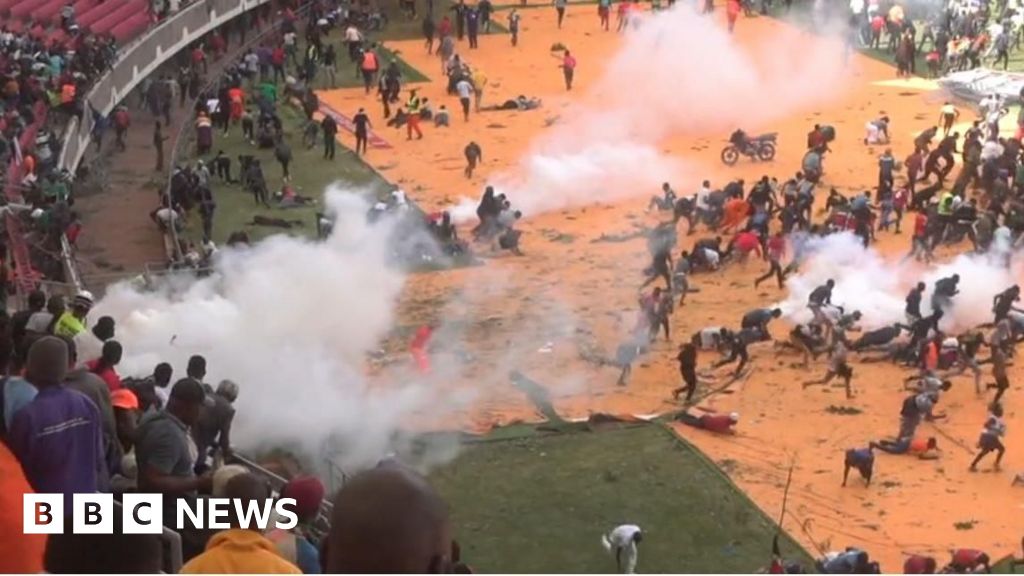
A Sudden Passing and Initial chaos
Odinga, 80, was receiving medical care at Devamatha Hospital, approximately 30 miles east of Kochi, India, when he died. News of his passing triggered a wave of emotion across Kenya, with supporters immediately gathering at airports and key locations like Parliament.
Though, the initial stages of preparing for the state funeral were marred by unexpected challenges. Reports surfaced indicating that three bodies arrived at the Nairobi Funeral Home (City Mortuary) with gunshot wounds on the same day Odinga’s body was expected.Authorities are investigating whether additional bodies were taken to other morgues, though the connection to Odinga’s passing remains unclear.
State Funeral and Public Viewing
Despite the initial disruption, dignitaries and government officials, including president William Ruto, were able to pay their respects at a private viewing of Odinga’s coffin. Following this, the public was granted several hours to view the body, a moment many Kenyans deeply cherished.
Deputy President Kithure Kindiki, leading the funeral planning committee, addressed the nation on Thursday evening, focusing on logistical arrangements for the state funeral. Notably, he did not address the earlier reports of violence or deaths.
A Nation’s Outpouring of grief
The response from the Kenyan public has been profound. Supporters flocked to Lee Funeral Home, initially anticipating the body’s arrival there, and gathered around Parliament, demonstrating the deep impact Odinga had on the nation.
Many shared personal stories and expressed their sorrow. “I came here at six in the morning,” one mourner told reporters near the airport. “We have been left as orphans. He is our father.”
Others,like motorcycle rider William Otieno Adoyo,expressed a fervent desire to personally confirm it was Odinga lying in state. “We want to see Baba, how do we no it’s him in the casket?” he questioned.
Mourners carried branches and palm fronds, conventional symbols of grief within the Luo ethnic group to which Odinga belonged, adding a cultural dimension to the national mourning.
Final Journey and burial
Odinga’s body was transported to Kisumu, a city in western Kenya on the shores of Lake Victoria and his political stronghold, on Saturday.Members of the public will have a final opportunity to view the body before his burial on Sunday at his farm in Bondo, approximately 38 miles west of Kisumu.
the family has requested a swift burial, ideally within 72 hours of his death, honoring Odinga’s wishes. A seven-day period of national mourning has been declared by the Kenyan government.
A Legacy of Opposition and Unfulfilled Ambitions
Raila Odinga’s career spanned decades, establishing him as a towering figure in Kenyan politics. He served as the country’s main opposition leader for many years, contesting and losing five presidential campaigns, most recently in 2020.
Throughout his political journey, odinga consistently maintained he was unfairly denied victory, alleging manipulation of the electoral process. Despite never reaching the presidency, his influence on Kenyan politics and his advocacy for democratic reforms are undeniable.
His passing marks the end of an era, leaving a void in the nation’s political landscape and prompting reflection on his enduring legacy.
This is a developing story, and further updates will be provided as they become available.