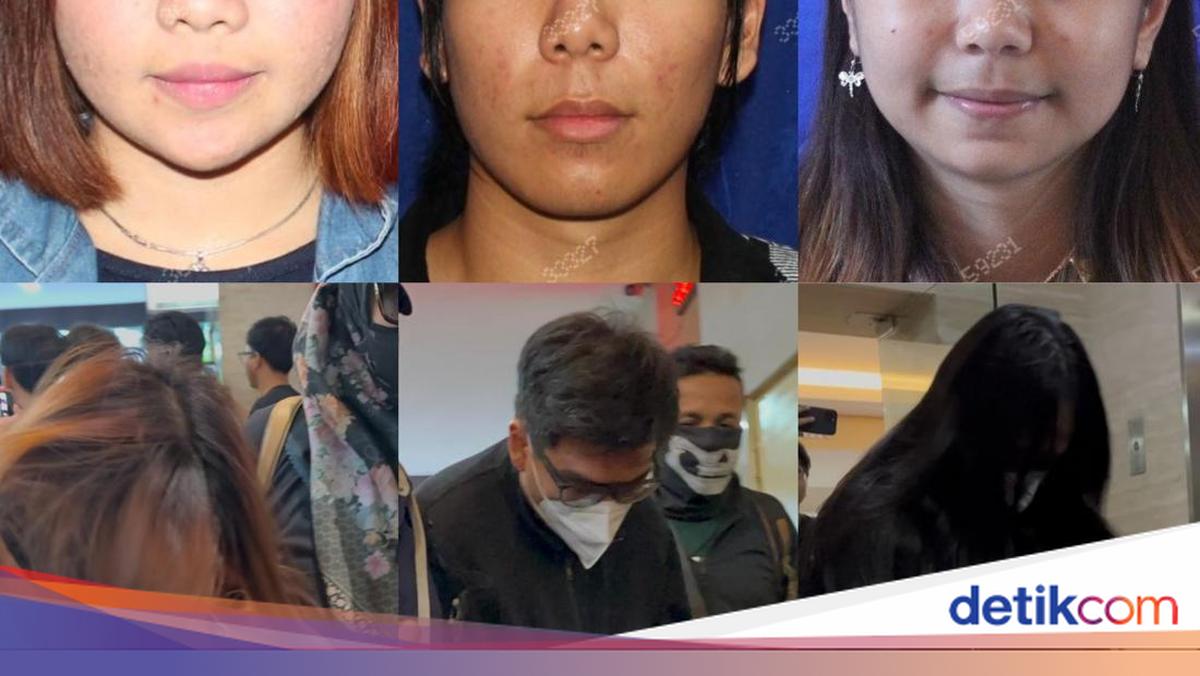
Indonesian authorities have arrested the wife and two children of suspected drug kingpin Ko Erwin in a major crackdown on narcotics trafficking networks. The operation, conducted by the Criminal Investigation Agency (Bareskrim) of the Indonesian National Police, took place in Jakarta and resulted in the detention of family members linked to the alleged syndicate. According to verified reports from multiple Indonesian news outlets, the arrests were made as part of an ongoing investigation into drug production and distribution activities tied to Ko Erwin, who remains a central figure in the case.
The detainees include Erwin’s wife and their two children, who were taken into custody following coordinated raids by Bareskrim personnel. Although specific details about the charges filed against them have not been independently confirmed through official police statements, the arrests are understood to be connected to allegations of money laundering and logistical support for narcotics operations. Indonesian National Police have emphasized their commitment to dismantling entire drug trafficking infrastructures, including financial networks that enable such crimes.
This development follows earlier arrests in the same case, including the apprehension of individuals identified as key associates in Erwin’s alleged network. Authorities have previously detained suspects linked to the production and distribution of methamphetamine (locally known as sabu), with some reports indicating connections to cross-border supply chains involving Malaysia. The police continue to pursue leads under Indonesia’s anti-narcotics laws, particularly Law No. 35 of 2009, which governs drug-related offenses and carries severe penalties for those convicted of manufacturing, distributing, or facilitating illegal drug trade.
Legal experts note that under Indonesian law, family members can be investigated if there is evidence of their involvement in criminal enterprises, particularly when financial transactions or property holdings suggest complicity in illicit activities. However, authorities must prove beyond reasonable doubt that individuals knowingly participated in or benefited from criminal acts. As of now, no formal charges have been publicly announced against the wife and children of Ko Erwin and they remain in police custody pending further investigation.
Background on the Ko Erwin Narcotics Case
Ko Erwin has been identified by Indonesian law enforcement as a suspected leader in a major methamphetamine production and distribution ring operating across Southeast Asia. Investigations by Bareskrim have traced alleged operations to clandestine laboratories in Indonesia, with finished products reportedly destined for both domestic consumption and international markets, including neighboring Malaysia. The case has drawn significant attention due to its scale and the alleged sophistication of the network’s financial and logistical operations.

In recent months, police have arrested several individuals accused of playing roles in the syndicate, including chemists involved in drug production, couriers, and financial facilitators. One notable arrest involved a suspect dubbed “The Doctor,” who was allegedly responsible for overseeing the synthesis of sabu in hidden labs. These actions are part of a broader strategy by Indonesian authorities to target not only street-level dealers but also the upper echelons of drug trafficking organizations.
The Financial Transaction Reports and Analysis Center (PPATK), Indonesia’s financial intelligence unit, has reportedly been assisting in the investigation by tracing suspicious fund flows linked to the case. Officials have indicated that unexplained wealth, sudden asset acquisitions, and complex transaction patterns are being examined as potential indicators of money laundering activities tied to the drug trade.
Police Procedure and Legal Process
Following their arrest, the wife and children of Ko Erwin were transported to Bareskrim headquarters in Jakarta for questioning. Standard procedures allow for initial detention periods during which investigators gather evidence and conduct interviews. Under Indonesian criminal procedure law, suspects can be held for up to 20 days without formal charges, with possible extensions under judicial approval for more complex cases.
During this period, detainees have the right to legal representation and are entitled to humane treatment in accordance with national regulations and international human rights standards to which Indonesia is a signatory. Access to family and medical care is typically permitted, subject to security considerations. Police have not released photographs or detailed personal information about the detainees beyond confirming their relationship to the primary suspect, in line with protocols designed to protect privacy during ongoing investigations.
Legal analysts emphasize that the burden of proof rests with the prosecution, and mere familial association does not constitute guilt under Indonesian law. Any case brought against the individuals would require substantial evidence linking them directly to criminal acts, such as documentation of financial transactions, communication records, or testimony establishing knowledge and participation in illegal activities.
Impact and Broader Context
The arrest of family members in high-profile drug cases underscores Indonesia’s aggressive approach to combating narcotics trafficking, which remains a persistent challenge for law enforcement agencies across the archipelago. According to data from the United Nations Office on Drugs and Crime (UNODC), Southeast Asia continues to be a significant region for the production and transit of synthetic drugs, particularly methamphetamine, prompting coordinated efforts among national authorities.
Indonesian police have reported increased seizures of methamphetamine in recent years, reflecting both intensified enforcement and the ongoing potency of drug supply chains. Public awareness campaigns and community outreach programs are routinely conducted alongside enforcement actions to discourage drug use and encourage reporting of suspicious activities.
Internationally, Indonesia collaborates with regional partners through frameworks such as the ASEAN Ministerial Meeting on Drug Matters (AMMD) and joint operations with agencies like Malaysia’s Royal Police and Thailand’s Office of the Narcotics Control Board. These collaborations aim to disrupt cross-border trafficking routes and share intelligence on emerging threats.
Next Steps in the Investigation
As of the latest verified updates, the investigation into the Ko Erwin network remains active, with police continuing to gather evidence, interview suspects, and analyze financial and communication data. No trial dates have been set, and formal charges have not yet been filed against the wife and children in publicly accessible court records. The next expected development is the conclusion of the initial detention period, after which prosecutors will decide whether to file formal charges or release the individuals due to insufficient evidence.
Indonesian National Police typically provide updates on major cases through official press releases and scheduled briefings. Members of the public seeking verified information are advised to consult the police website (www.polri.go.id) or follow announcements from the Bareskrim division. Legal proceedings, if initiated, would be handled through the Indonesian district court system, with case details available through official judicial channels.
This case highlights the complexities involved in prosecuting organized crime networks, particularly when allegations extend beyond direct participation in drug manufacturing to include ancillary support roles. Authorities maintain that targeting entire ecosystems of criminal enterprise — including financial enablers and logistical supporters — is essential to achieving long-term disruption of drug trafficking operations.
For ongoing developments, readers are encouraged to refer to authoritative Indonesian news sources and official statements from law enforcement agencies. World Today Journal will continue to monitor the situation and provide updates as verified information becomes available.
Worth a look