
North Korean leader Kim Jong-un is actively pursuing a dual-track strategy, maintaining his state’s nuclear capabilities while seeking to solidify support from China. This diplomatic balancing act involves maneuvering between Beijing and Moscow as Pyongyang seeks to reinforce its regional security posture against perceived threats from the West, according to regional security assessments.
For decades, the relationship between Beijing and Pyongyang has served as a cornerstone of Northeast Asian geopolitics. While North Korea continues to modernize its nuclear and missile programs, analysts observe that the regime in Pyongyang remains heavily reliant on China as its primary economic lifeline and strategic buffer. This dynamic persists even as the leadership in Pyongyang explores deeper military and technological cooperation with Russia, a development that has complicated the traditional power triangle in the region.
The Strategic Importance of the Beijing-Pyongyang Relationship
China continues to view the stability of North Korea as a critical national security interest. Despite the complexities introduced by Pyongyang’s nuclear ambitions, Beijing remains the most significant external actor in North Korean affairs. According to various geopolitical analyses, the relationship is defined by a mutual, if sometimes strained, recognition of strategic necessity. For China, North Korea serves as a buffer against U.S. military presence in South Korea; for North Korea, China provides the essential trade and energy supplies required to sustain the state’s economy.
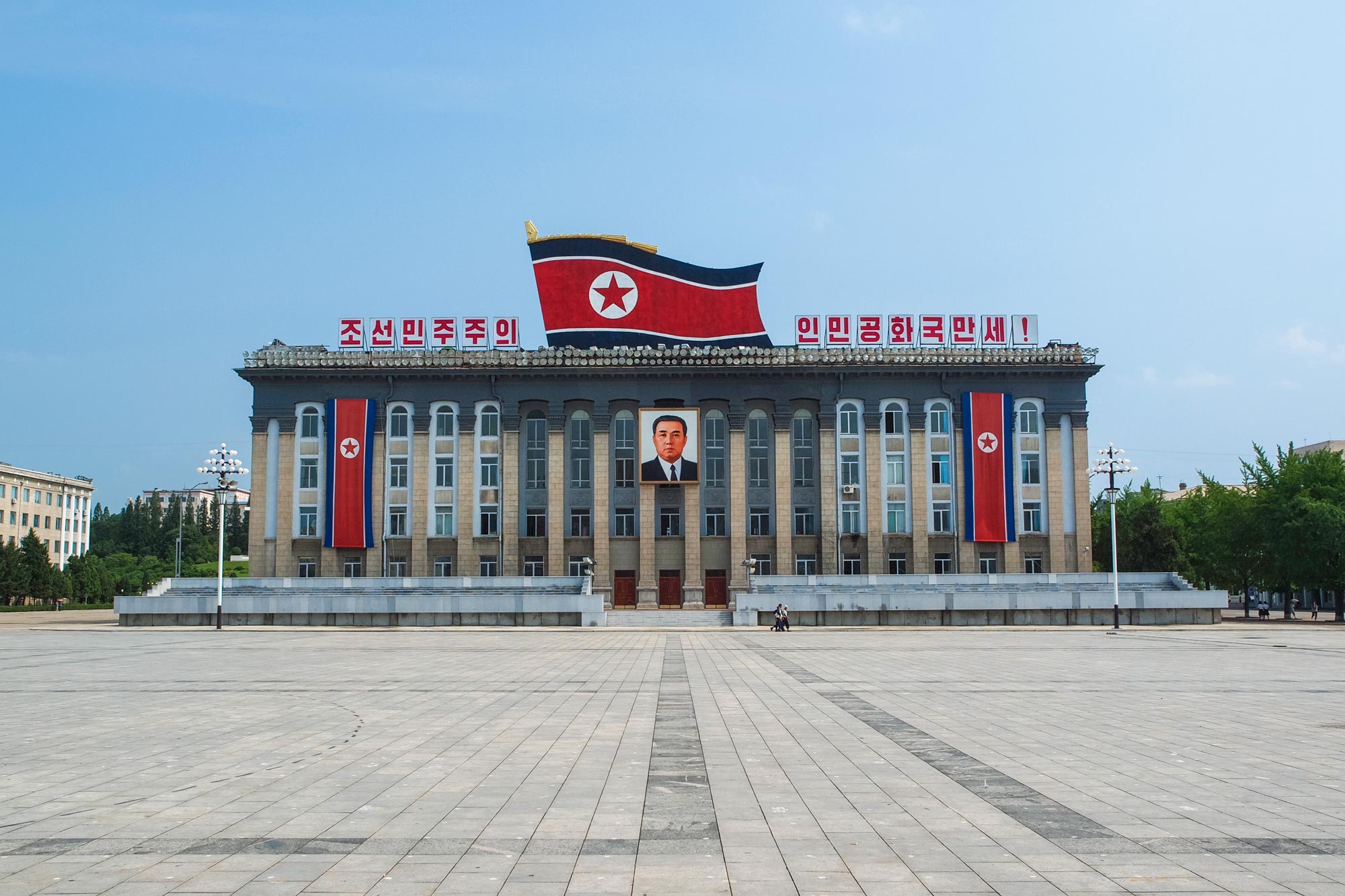
Recent shifts in the global order have prompted a recalibration of these ties. As tensions between major world powers escalate, the leadership in Pyongyang has sought to leverage its position to ensure that its relationship with Beijing remains the most vital of its foreign partnerships. This effort is underscored by the necessity of avoiding total isolation while simultaneously expanding its diplomatic options to include a more robust partnership with Moscow.
Balancing Ties Between Russia and China
The security landscape in the region underwent a significant shift when Russia and North Korea revived a mutual defense pact, a move that draws upon the framework of a 1961 treaty, as noted in recent reports by the U.S. Army War College. This development has forced observers to question how North Korea manages to maintain its traditional reliance on China while deepening ties with Russia.
The current policy in Pyongyang appears designed to prevent any single patron from exerting absolute influence over its decision-making. By diversifying its partnerships, the North Korean leadership aims to maximize its leverage in negotiations with the West, particularly regarding sanctions and security guarantees. However, this strategy carries inherent risks, as both Beijing and Moscow have their own distinct interests regarding the stability of the Korean Peninsula.
Regional Security Implications
The ongoing modernization of North Korea’s nuclear arsenal remains a central concern for international security bodies. The ability of Pyongyang to continue these programs while navigating the complex interests of its neighbors highlights the persistence of the “nuclear-armed state” status quo. According to international monitors, the lack of a unified approach from regional powers toward Pyongyang’s nuclear program has provided the North Korean leadership with significant operational space.
The geopolitical reality is that as long as the strategic competition between the United States and its partners on one side, and the Russia-China-North Korea axis on the other, continues to intensify, the potential for a diplomatic breakthrough remains limited. The focus for Pyongyang remains the preservation of the regime, a goal that it pursues through a combination of military deterrence and calculated diplomatic alignment.
What Happens Next
Future developments regarding the security architecture of East Asia will likely depend on the upcoming high-level diplomatic exchanges between these regional powers. Observers are particularly monitoring for any shifts in economic aid or military technology sharing that could alter the current balance of power. No specific dates for future trilateral summits have been confirmed by official state media outlets in Beijing, Moscow, or Pyongyang as of June 8, 2026.
The situation remains fluid, with the international community awaiting further clarity on how these alliances will manifest in the coming months. We encourage our readers to share their perspectives on these developments in the comments section below, as we continue to monitor the evolving security landscape in Northeast Asia.