
Kim Jun-hyung, a former director of the Korea Institute of Foreign Affairs (KIDA), has been elected as the new floor leader of the Rebuilding Korea Party. The appointment occurred during a party general assembly on the 16th, where Kim secured the position as the sole candidate, according to party reports.
The selection of Kim, a recognized expert in international relations and diplomacy, signals a strategic move by the Rebuilding Korea Party to bolster its legislative presence in the National Assembly. As floor leader, Kim will manage the party’s parliamentary strategy, coordinate with other political factions, and oversee the implementation of the party’s legislative agenda.
Who is Kim Jun-hyung and what is his professional background?
Kim Jun-hyung enters his new role with a career centered on foreign policy and academic research. Before his election to the Rebuilding Korea Party leadership, Kim served as the director of the Korea Institute of Foreign Affairs (KIDA), a prominent think tank focused on South Korea’s diplomatic and security interests. His tenure at KIDA involved advising on complex geopolitical issues and managing high-level diplomatic research.
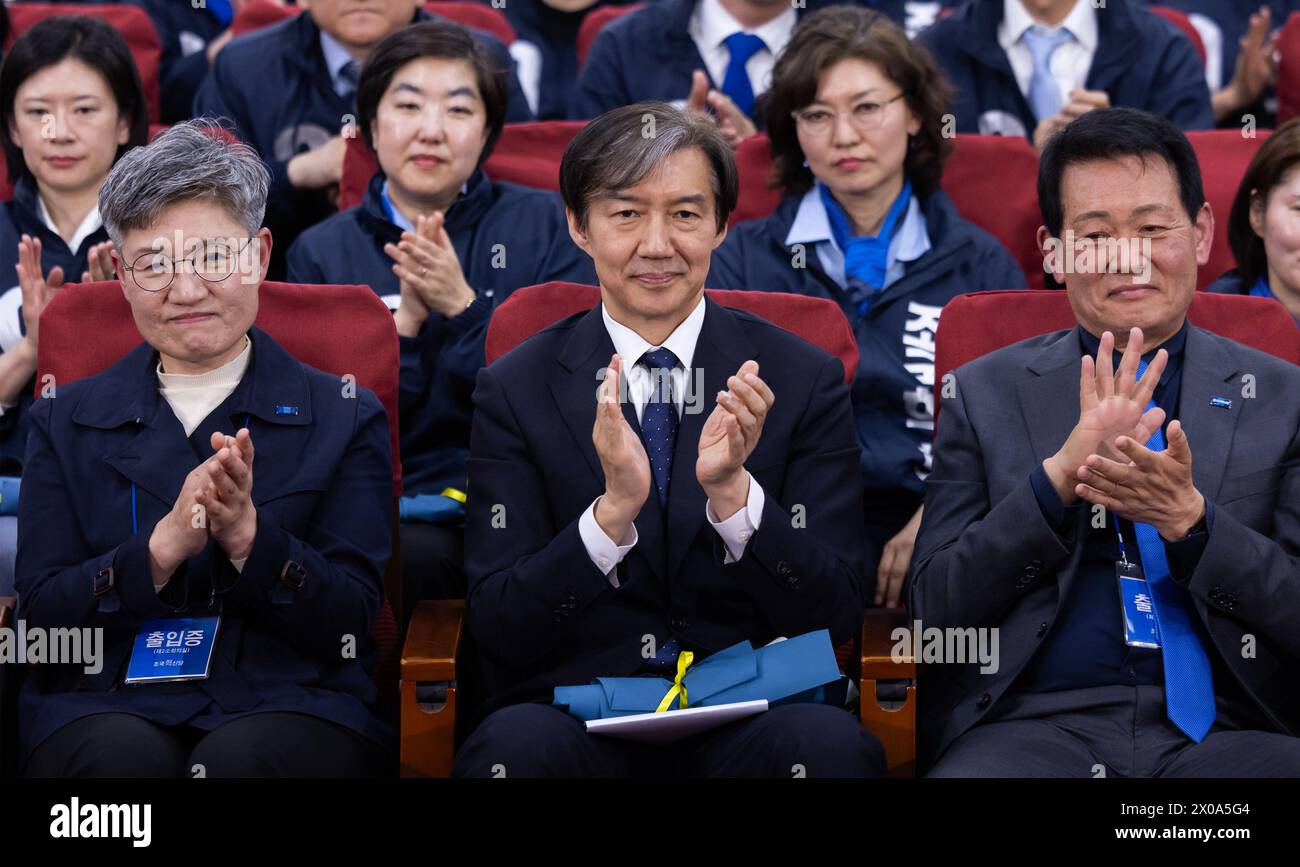
Beyond his administrative and advisory roles, Kim has maintained a significant presence in academia. He has served as a professor of international relations, specializing in the shifting dynamics of East Asian security and the strategic importance of the U.S.-South Korea alliance. This combination of academic theory and practical policy leadership distinguishes him from many career politicians within the South Korean legislature.
His expertise is expected to be a critical asset for the Rebuilding Korea Party, which has emerged as a significant force in the 22nd National Assembly. By placing a foreign policy specialist at the helm of its floor leadership, the party is positioning itself to contribute more substantively to debates regarding regional security, trade policy, and international cooperation.
How will Kim’s leadership affect the Rebuilding Korea Party’s legislative strategy?
The election of Kim Jun-hyung as floor leader is likely to shift the Rebuilding Korea Party’s focus toward a more technical and policy-driven approach in the National Assembly. While the party, led by Cho Kuk, has gained significant visibility through its emphasis on prosecutorial reform and social justice, the role of floor leader requires a different set of competencies centered on negotiation and legislative maneuvering.

As floor leader, Kim will be responsible for several key functions:
- Parliamentary Negotiation: Acting as the primary interlocutor between the Rebuilding Korea Party and the leadership of other major parties, including the Democratic Party of Korea and the People Power Party.
- Agenda Setting: Determining which bills and motions the party will prioritize for floor votes and committee discussions.
- Caucus Coordination: Managing the internal discipline and legislative activities of the party’s elected members to ensure a unified voting bloc.
Political analysts suggest that Kim’s background may allow the party to expand its influence beyond its core ideological base. By engaging more deeply in foreign affairs and security policy—areas traditionally dominated by established political heavyweights—the party may seek to increase its legitimacy as a comprehensive legislative force.
What is the significance of this appointment in the current political landscape?
The appointment comes at a time when the South Korean National Assembly is navigating a highly polarized environment. The Rebuilding Korea Party, while smaller than the two major parties, holds enough seats to act as a significant “swing” or influential minor party. The ability of a floor leader to navigate this landscape will determine how much impact the party can exert on national policy.
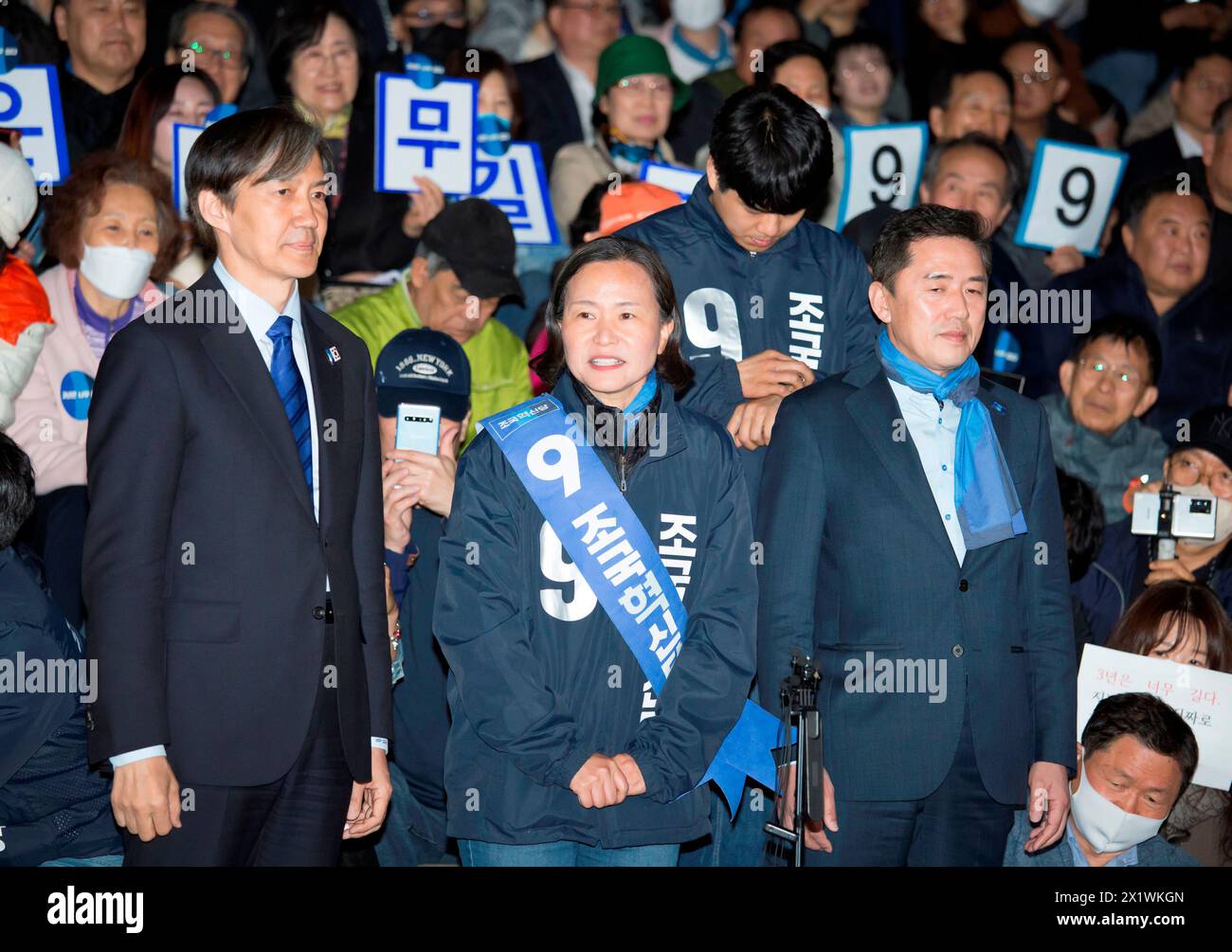
The transition to Kim Jun-hyung’s leadership marks a professionalization of the party’s parliamentary operations. Unlike many minor parties that rely on charismatic leadership alone, the Rebuilding Korea Party’s decision to elect a technocratic expert suggests an intent to compete on the merits of policy expertise and legislative efficiency.
The following table provides a comparison of Kim Jun-hyung’s professional transition:
| Feature | Previous Role (KIDA Director) | New Role (Floor Leader) |
|---|---|---|
| Primary Focus | Diplomatic research and policy advisory | Legislative strategy and parliamentary negotiation |
| Key Stakeholders | Government agencies, international scholars | Members of the National Assembly, political parties |
| Core Objective | Analyzing geopolitical trends and security | Passing legislation and managing party interests |
What happens next for the Rebuilding Korea Party?
Following the election, Kim Jun-hyung is expected to immediately begin formalizing the party’s legislative roadmap for the current session of the National Assembly. This will include the formation of specialized committees and the assignment of parliamentary roles to other party members.
The first major test for Kim’s leadership will likely involve the party’s ability to negotiate key budgetary and security-related legislation. Observers will be watching to see if his diplomatic background translates into effective bipartisan cooperation or if the party maintains its characteristic assertive stance against the current administration.
The next scheduled checkpoint for the party will be the upcoming committee hearings in the National Assembly, where the new floor leadership will present its initial policy priorities and legislative proposals.
For ongoing updates on South Korean political developments and legislative shifts, please follow our business and politics section. We welcome your thoughts on this leadership change in the comments below.
Related reading