
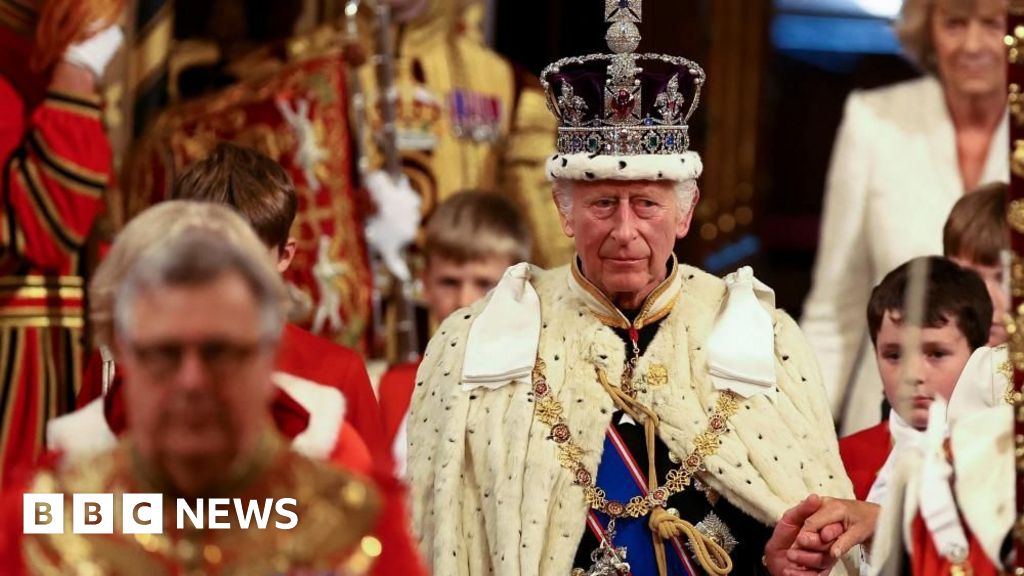
As the United Kingdom braces for one of the most politically fraught moments of the year, Prime Minister Keir Starmer stands at a crossroads. This Wednesday, May 13, 2026, King Charles III will deliver the King’s Speech—a ceremonial but constitutionally pivotal address outlining the government’s legislative agenda for the coming year. For Starmer, however, the event arrives against a backdrop of mounting pressure, with his leadership already under siege following Labour’s devastating losses in local and regional elections last week. The speech, steeped in tradition, will test whether Starmer can rally support for his vision or if the political cracks will widen further.
The King’s Speech is not merely a formality; it is a de facto statement of intent from the government, setting the stage for the parliamentary session ahead. Traditionally delivered in the House of Lords, the speech outlines the bills the government plans to introduce, signaling priorities from economic reform to social policy. Yet this year, the ceremony carries added weight. Labour’s poor performance in the May 7 elections—where the party suffered heavy losses—has intensified calls for Starmer to step aside, with even his own MPs accusing him of failing to address the cost-of-living crisis and public service failures with sufficient urgency.
The timing could not be more delicate. The speech follows a high-stakes Monday address by Starmer to party supporters, which critics dismissed as “tone-deaf” and lacking the bold policies needed to turn around public sentiment. Former Cabinet minister Jess Phillips’ resignation on Tuesday, citing the government’s inability to “have a row, push back, and make arguments”, underscored the deepening rift within Labour ranks. With the King’s Speech scheduled just days after the elections, the moment offers Starmer a chance to reset—but also risks exposing the fragility of his premiership.
Why the King’s Speech Matters in a Leadership Crisis
The King’s Speech is a constitutional ritual with real political consequences. While the monarch remains politically neutral, the speech’s content reflects the government’s priorities and sets the legislative agenda for the year. For Starmer, it is an opportunity to reassert control over his party’s direction, particularly as backbenchers grow restless. The speech will likely include proposals to build on over 50 bills already passed since the parliamentary session began in July 2024, according to Commons Leader Sir Alan Campbell. However, with Parliament set to prorogue—potentially ending the current session—any bills not completed by then will need to restart from scratch in the next session.
One of the most contentious issues looming is the stalled assisted dying bill, which passed the House of Commons last June but has faced prolonged delays in the House of Lords. The bill’s fate remains uncertain, with no clear path forward despite its strong support among MPs. For Starmer, navigating this bill could be a litmus test of his ability to deliver on progressive promises amid a divided Parliament.
What happens next? The King’s Speech will be followed by a period of intense parliamentary maneuvering. Bills outlined in the speech must navigate the legislative process, often facing scrutiny, amendments, and potential defeat. The government’s success in pushing through its agenda will depend not only on Starmer’s political capital but also on the willingness of opposition parties—particularly the Conservatives—to engage constructively. With Labour’s electoral fortunes at a low ebb, the speech may also serve as a last call for unity within the party, or a final warning of deeper turmoil ahead.
The Leadership Challenge: Can Starmer Survive?
Starmer’s premiership has been defined by a strategic caution, a deliberate contrast to his predecessor’s confrontational style. Yet in the face of economic strain and public dissatisfaction, that approach has drawn criticism from both within and outside his party. The local election results—though not a direct vote of confidence—have weakened his position, with calls for a leadership challenge growing louder. A government source told the BBC in December 2025 that such a challenge would be “much harder” to mount when the King was about to deliver the speech, as it would signal instability at a critical juncture. However, the source also noted that the state opening of Parliament in May is not unusual, and the timing alone may not be enough to deter dissent.

The resignation of Jess Phillips, a vocal critic of Starmer’s perceived timidity, has added fuel to the fire. In her resignation letter, Phillips argued that the government needed to “push back” more aggressively against economic challenges and public service failures. Her departure is the latest in a series of high-profile exits from the Cabinet, reflecting broader dissatisfaction with the government’s direction. For Starmer, the King’s Speech offers a chance to redefine his narrative, but the speech’s success will hinge on whether it resonates with both the public and his own party.
Economic and Social Priorities: What’s on the Agenda?
While the exact details of the King’s Speech remain under wraps, leaks and government statements suggest a focus on economic stability, public service reform, and social policy. Key areas likely to be addressed include:
- Cost-of-living measures: With inflation still a pressing concern, the government may outline further support for households facing financial strain, though specifics remain unclear.
- Public service investment: The NHS and social care systems, both under significant pressure, are expected to feature prominently, though Labour’s track record on funding has been a point of contention.
- Housing and infrastructure: Given the housing crisis and infrastructure backlogs, the speech may include plans to accelerate development and address affordability.
- Assisted dying and social reform: While the assisted dying bill remains stalled, the speech could signal broader commitments to social liberalization, though progress will depend on parliamentary dynamics.
The challenge for Starmer is to present these priorities in a way that restores public trust and silences his critics. Yet with Labour’s electoral performance still in the doldrums, the speech alone may not be enough to turn the tide. The real test will come in the weeks and months ahead, as Parliament debates and votes on the bills outlined in the speech.
What’s Next? The Road Ahead for Starmer and Parliament
The King’s Speech will be delivered at approximately 11:30 AM BST on Wednesday, May 13, 2026, in the House of Lords. The ceremony will be broadcast live, allowing the public to witness the moment. Following the speech, Parliament will enter a period of intense activity as bills are introduced, debated, and voted on. The government’s ability to secure passage for its priorities will depend on:

- The level of cross-party cooperation, particularly with the Conservatives and smaller parties.
- The internal cohesion of the Labour Party, with backbenchers and Cabinet members watching Starmer closely.
- The public and media reaction to the speech, which could influence political momentum in the coming months.
The next major checkpoint will be the prorogation of Parliament, which marks the end of the current session. Unless bills are carried over, any legislation not completed by then will need to restart in the next session. For Starmer, the next few months will be critical in determining whether his leadership can weather the storm or if the political winds will force him to step aside.
As the UK watches, the King’s Speech will not only set the legislative agenda but also serve as a barometer for Starmer’s premiership. Will it be a rallying cry for Labour, or another moment in a leadership crisis that shows no signs of abating?
Key Takeaways
- The King’s Speech on May 13, 2026, is a constitutional moment with significant political implications for Prime Minister Keir Starmer.
- Starmer faces intense pressure following Labour’s poor performance in recent elections and internal calls for his resignation.
- The speech will outline the government’s legislative priorities, including economic measures, public service reform, and social policy.
- Success in pushing through bills will depend on parliamentary cooperation and internal party unity.
- The next critical phase is the prorogation of Parliament, which could reset the legislative agenda if key bills are not completed.
For now, all eyes are on Westminster. As King Charles III prepares to deliver the speech, the question remains: Can Starmer turn the tide, or is this the beginning of the end for his premiership?
What do you think? Will the King’s Speech be enough to stabilize Starmer’s leadership, or are we heading toward a deeper political crisis? Share your thoughts in the comments below, and stay tuned to World Today Journal for live updates and analysis as the story unfolds.