The AI Revolution in Music: Navigating Prospect and Threat
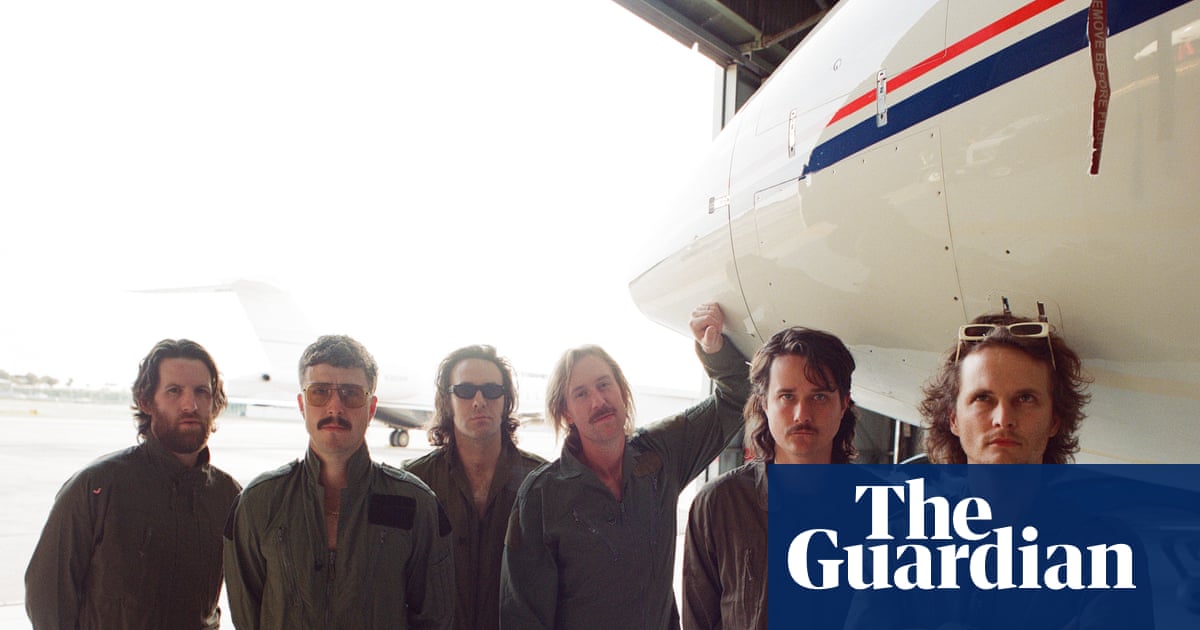
The music industry is at a crossroads. Artificial intelligence (AI) is no longer a futuristic concept; its actively reshaping how music is created, distributed, and consumed. From fraudulent royalty schemes to legitimate artistic tools, the implications are vast and rapidly evolving.Even seasoned artists like Stu Mackenzie of King Gizzard & the Lizard Wizard are grappling with the situation, expressing a mix of ironic observation and genuine concern: “Seriously wtf – we are truly doomed.”
This isn’t hyperbole. The rise of AI-generated music presents both incredible opportunities and significant threats to artists, labels, and the very fabric of musical creativity. Let’s break down what’s happening, why it matters, and what the future might hold.
The Current Landscape: A Flood of Fakes and Emerging Tools
the initial wave of AI’s impact has been largely characterized by exploitation. Spotify alone removed 75 million tracks last year suspected of being AI-generated “spam” – essentially, fraudulent attempts to collect royalty payouts. These tracks, created to game the system, highlight a critical vulnerability in the streaming ecosystem.
Beyond outright fraud, “deepfake” versions of established artists like Drake have surfaced, raising concerns about copyright and artistic integrity.While many of these are quickly flagged and removed, the sheer volume is a constant battle.
Though,the story doesn’t end with deception. AI is also being integrated into legitimate music creation.
* AI-Enhanced Vocals: The British duo Haven recently achieved viral success with “I Run,” initially featuring AI-manipulated vocals.
* Mainstream Adoption: Though removed from streaming platforms after a takedown request from Jorja Smith’s label, Famm, due to vocal imitation concerns, the song demonstrated AI’s potential for chart success. Haven has since rerecorded the track with human vocals, but Famm continues to allege copyright infringement.
* Accessibility is Increasing: The real game-changer will be when AI music creation tools become widely available to the public.
Major labels Embrace AI – But at What Cost?
The industry’s response isn’t resistance,but rather,cautious integration. In recent weeks, Global and Warner Music Group have forged partnerships with AI music platforms udio and Suno. These deals will allow users to create music from the catalogs of artists signed to these labels.
Crucially, artists will have the option to opt-in or out of having their work used for AI generation. This is a vital step, but it doesn’t address all the concerns.
The Debate: Opportunity vs. Exploitation
The industry is deeply divided on the merits of AI in music.
Proponents, like Eurythmics producer Dave Stewart, see AI as an “unstoppable force.” He argues that musicians should actively embrace the technology, licensing their voices and skills to AI companies. Stewart believes this is the future, and artists should capitalize on it.
Though, others are sounding the alarm. Irving Azoff, founder of the Music Artists Coalition, warns that artists could be left with “scraps” if they don’t protect their interests. He emphasizes the need for:
* Creative Control: Artists must retain control over how their work is used.
* Fair compensation: AI-driven revenue streams must equitably benefit artists and songwriters.
* Openness: Deals involving artist catalogs must be clear and understandable.
what Does This Mean For You?
Whether you’re a musician,a listener,or simply someone interested in the future of music,here’s what you need to know:
* AI is here to stay. It’s not a question of if AI will impact music, but how.
* Copyright and ownership are becoming increasingly complex. The legal framework surrounding AI-generated music is still evolving.
* the value of human creativity will likely increase. As AI tools become more refined, the unique artistry and emotional depth of human-created music will become even more prized.
* Be mindful of authenticity. As AI-generated music becomes more prevalent, discerning genuine artistry from algorithmic creation will be crucial.
The coming years will be pivotal. the music industry must navigate this technological shift thoughtfully, prioritizing fairness, transparency, and the protection of artistic rights
Related reading