The Echo Chamber Effect: Analyzing the Response to Reports of Political Figure Charlie Kirk‘s Death
The rapid adn often polarized reactions following reports of Charlie Kirk’s alleged assassination in Utah this week highlight a disturbing trend in modern American political discourse: a cycle of escalation followed by performative regret. This article delves into the online response, examining how it reflects – and perhaps exacerbates – the increasing acceptance of political violence as a viable, albeit unacceptable, expression of frustration. We’ll explore the nuances of the reactions, the role of social media, and whether these moments of collective “pulling back” translate into lasting change.
Understanding the Initial outcry & Subsequent Backlash
Initial reports of the incident sparked a flurry of activity across social media platforms. While many expressed shock and condemnation, a significant portion of the online conversation, especially within certain echo chambers, contained celebratory or justifying sentiments.This isn’t necessarily indicative of widespread support for violence, but rather a symptom of deeply entrenched polarization.
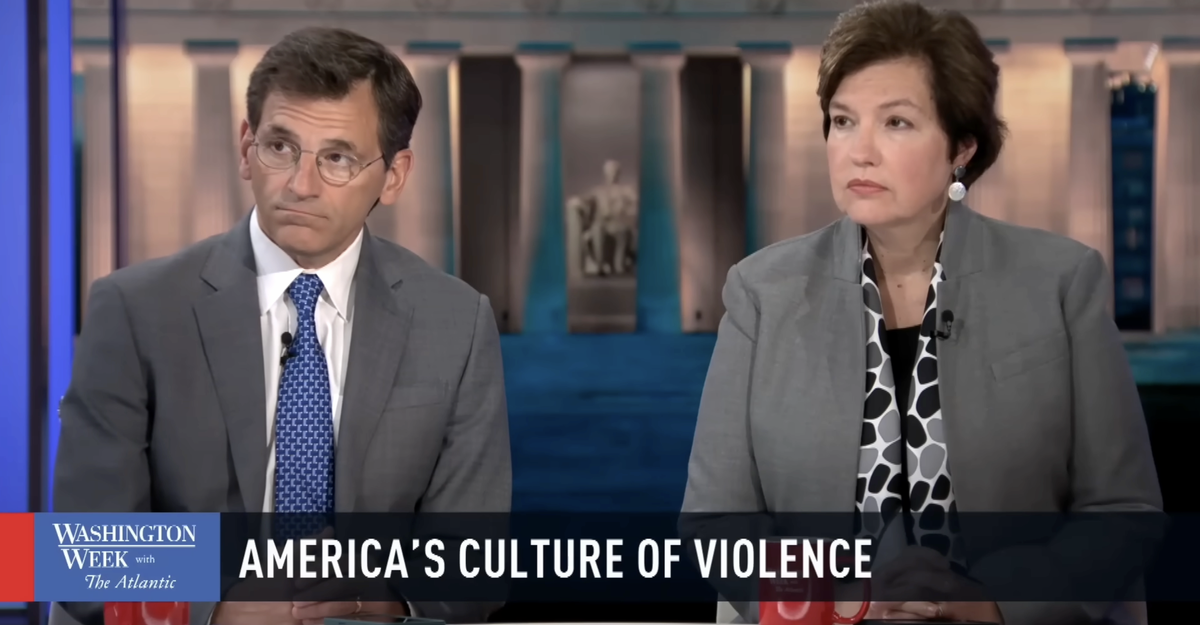
As the story unfolded, and the gravity of the situation became clearer, a wave of condemnation followed. Prominent figures across the political spectrum issued statements denouncing the alleged act and calling for unity.However, as Peter baker, Chief White House Correspondent at The New York Times, pointed out on Washington Week With The Atlantic, this “sense of regret” often feels fleeting and doesn’t necessarily lead to enduring change.
The Role of Social Media Algorithms & Echo Chambers
Social media algorithms play a crucial role in amplifying extreme viewpoints and reinforcing existing biases. Users are often presented with content that confirms their beliefs, creating echo chambers where dissenting opinions are rarely encountered. This can lead to a distorted perception of reality and a heightened sense of animosity towards those who hold different views.
The speed and reach of social media also contribute to the rapid escalation of conflict. A single inflammatory post can quickly go viral, sparking outrage and inciting further polarization. This is particularly concerning in the context of political extremism and the potential for real-world violence. The phenomenon of “performative outrage” – expressing anger online for social validation – further complicates the issue,often prioritizing emotional expression over constructive dialog.
Analyzing the Discourse: Beyond regret and Towards Solutions
The conversation on Washington Week With The Atlantic, featuring insights from Peter Baker, Laura Barrón-López (MSNBC), Susan Glasser (The new Yorker), and Tom Nichols (The Atlantic), underscored the cyclical nature of this pattern. The panelists highlighted the tendency to express remorse after acts of violence, but questioned whether this remorse translates into meaningful efforts to address the underlying causes of political polarization.
Here’s a quick comparison of the reactions observed:
| Reaction Type | Characteristics | Prevalence (Estimated) |
|---|---|---|
| Initial Celebration/justification | Expressions of approval or rationalization of the alleged act. Often found within highly polarized online communities. | 5-10% |
| Shock & Condemnation | Outright rejection of the violence and expressions of sympathy for the victim (or their family). | 60-70% |
| performative Regret | Statements of remorse and calls for unity, frequently enough lacking concrete proposals for change. | 20-30% |
addressing this requires a multi-faceted approach. This includes:
* Media Literacy Education: Equipping individuals with the skills to critically evaluate information and identify bias.
* **Algorithm