In the bustling heart of Buenos Aires, specifically within the Avellaneda district, a quiet but powerful economic engine drives a significant portion of Argentina’s garment industry. For decades, Korean entrepreneurs have been the architects of this wholesale clothing hub, transforming a local marketplace into a regional powerhouse of textile trade. At the center of this community is Chairman Park Han-jun, a leader dedicated to transitioning this immigrant-led success story into a formalized, institutionalized force.
As a financial journalist who has spent nearly two decades analyzing global markets and the resilience of diaspora economies, I find the trajectory of the Korean business community in Argentina particularly compelling. They have not only survived the volatile economic cycles of the Southern Cone but have carved out a dominant niche in the textile sector. However, the shift currently underway—led by Park and the Korean Merchants Association—is not about mere survival; it is about legitimacy and strategic diplomacy.
The Korean Merchants Association is now positioning itself as the primary legal conduit between the Korean business community and the Argentine government. By establishing formal dialogue channels, the association aims to protect the interests of its members, ensure regulatory compliance, and create a stable environment for investment in an economy often characterized by unpredictability. This effort represents a critical evolution from informal community networks to a structured representative body capable of high-level negotiation.
The Avellaneda Powerhouse: A Korean Legacy in Textiles
To understand the influence of Korean merchants in Argentina, one must look at Avellaneda. This district serves as the epicenter of the country’s clothing wholesale trade, where Korean-owned businesses have established a reputation for efficiency, quality control, and an uncanny ability to read consumer trends. The “Korean model” in Avellaneda typically involves a vertically integrated approach—from sourcing fabrics and manufacturing to wholesale distribution.
This dominance is not merely a result of business acumen but of a tight-knit community structure. For years, the Korean diaspora in Argentina relied on internal trust networks to manage credit, logistics, and labor. While these informal systems allowed for rapid growth, they also left business owners vulnerable to shifting local laws and administrative hurdles. The transition toward a formalized association is a strategic response to the need for institutional protection.
Under the leadership of Chairman Park Han-jun, the focus has shifted toward creating a “legal dialogue channel.” In the context of Argentine commerce, having a recognized representative body is essential for navigating the complexities of tax law, import restrictions, and municipal regulations. By acting as a network window, the association ensures that the voices of Korean entrepreneurs are heard in the halls of government, reducing the risk of arbitrary enforcement and fostering a more transparent business environment.
Formalizing Influence through the Korean Merchants Association
The mission of the Korean Merchants Association extends beyond simple advocacy. It is designed to be a bridge that connects the private interests of Korean wholesalers with the public policy goals of the Argentine state. This institutionalization is vital for the long-term sustainability of the community’s investments. When a business community can speak with one voice, it gains the leverage necessary to negotiate fairer trade terms and better security for its commercial districts.


One of the primary goals of the association is to ensure that the Korean business community is viewed not just as a group of foreign investors, but as integral contributors to the Argentine economy. By emphasizing their role in job creation and the stabilization of the clothing supply chain, the association builds political capital. This capital is then used to resolve systemic issues, such as improving the safety and infrastructure of the Avellaneda shopping district, which is crucial for maintaining high foot traffic and commercial viability.
the association provides a critical support system for new entrepreneurs entering the market. By offering guidance on legal frameworks and connecting them with established networks, the association lowers the barrier to entry and ensures that new businesses operate within the law from day one. This reduces the overall risk profile of the community and strengthens its standing with local regulators.
Beyond Borders: Strategic Expansion and Regional Networking
The vision for the Korean Merchants Association is not limited to the borders of Argentina. Chairman Park Han-jun has recognized that the economic future of the region lies in integration. This realization has led to strategic outreach efforts, including high-level visits to Brazil. These initiatives are designed to study the success of other Korean diaspora communities in South America and explore potential synergies in trade, and logistics.
Brazil, as the largest economy in Latin America, offers a blueprint for how Korean businesses can scale their operations and interact with a massive domestic market. By forging ties with Korean business leaders in Brazil, the Argentine association is building a regional network that can share intelligence on market trends, regulatory shifts, and sourcing opportunities. This cross-border collaboration is a sophisticated move that transforms a local trade association into a regional business intelligence network.
This regional approach is particularly important given the current geopolitical climate. As South Korea strengthens its strategic partnerships with South American nations, the grassroots business community must be aligned with these state-level goals. When community leaders like Park Han-jun align their activities with broader diplomatic objectives, it creates a symbiotic relationship where government-to-government ties facilitate business-to-business growth.
Navigating the Argentine Economic Labyrinth
Operating a business in Argentina requires a level of resilience that few other markets demand. From hyperinflation to fluctuating exchange rates, the challenges are immense. For the Korean merchants in Avellaneda, these macroeconomic pressures make the role of the Korean Merchants Association even more critical. A formalized association can provide collective bargaining power and shared resources to mitigate these risks.
For instance, the association can coordinate responses to changes in import tariffs or currency controls, providing members with a unified strategy rather than leaving individual business owners to navigate the chaos alone. From an economic perspective, this is a form of “risk pooling” that stabilizes the community’s overall financial health. By sharing information on the most effective ways to hedge against inflation or manage liquidity, the association acts as an informal economic advisory board for its members.
the association’s focus on “legal dialogue” is a direct hedge against political instability. In environments where laws can change rapidly, having a direct line to government officials allows business leaders to anticipate changes and adapt their strategies before new regulations take effect. This agility is what separates the enduring businesses from those that vanish during economic crises.
The Human Element of Entrepreneurial Success
Beyond the balance sheets and regulatory frameworks, the story of Park Han-jun and the Korean merchants is one of cultural adaptation. The success of the Korean community in Argentina’s clothing sector is rooted in a synthesis of Korean work ethic and Argentine market intuition. This blend has allowed them to dominate a sector that requires both meticulous operational discipline and a deep understanding of local fashion preferences.
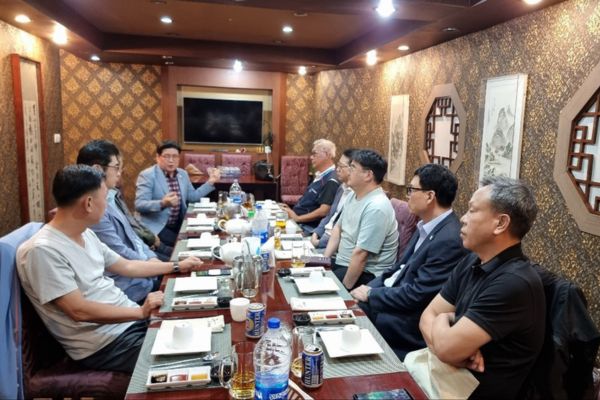
Chairman Park’s leadership reflects a broader trend among second- and third-generation immigrant entrepreneurs. While the first generation focused on establishing a foothold and accumulating capital, the subsequent generations are focusing on institutionalization, social integration, and strategic influence. They are moving from the periphery of the economy to its center, ensuring that their legacy is preserved through formal organizations rather than just family ties.
This evolution is a testament to the power of the diaspora as a catalyst for economic development. By creating a successful commercial hub in Avellaneda, Korean merchants have not only improved their own lives but have also provided thousands of jobs to local Argentines, further embedding the community into the social fabric of Buenos Aires.
Looking Ahead: The Next Phase of Growth
The path forward for the Korean Merchants Association involves deepening its integration with both the Argentine state and the wider South American trade network. As the association continues to build its legal and diplomatic foundations, it is likely that we will see more formalized partnerships between Korean-Argentine businesses and other regional players.
The next critical checkpoint for the association will be the formalization of its agreements with local municipal and national authorities, which will solidify its status as the official representative body for Korean merchants. This milestone will provide the legal certainty required to attract further investment and potentially expand the Avellaneda model to other cities or product categories.
For global observers and investors, the evolution of the Korean business community in Argentina serves as a masterclass in diaspora resilience and strategic institutionalization. By moving from informal networks to a recognized association, Park Han-jun and his peers are ensuring that the “Korean engine” of Argentine fashion continues to run efficiently for generations to come.
We invite our readers to share their thoughts on the role of diaspora communities in shaping regional trade. Do you believe formalized associations are the key to immigrant business success in volatile markets? Let us know in the comments below.
Keep reading