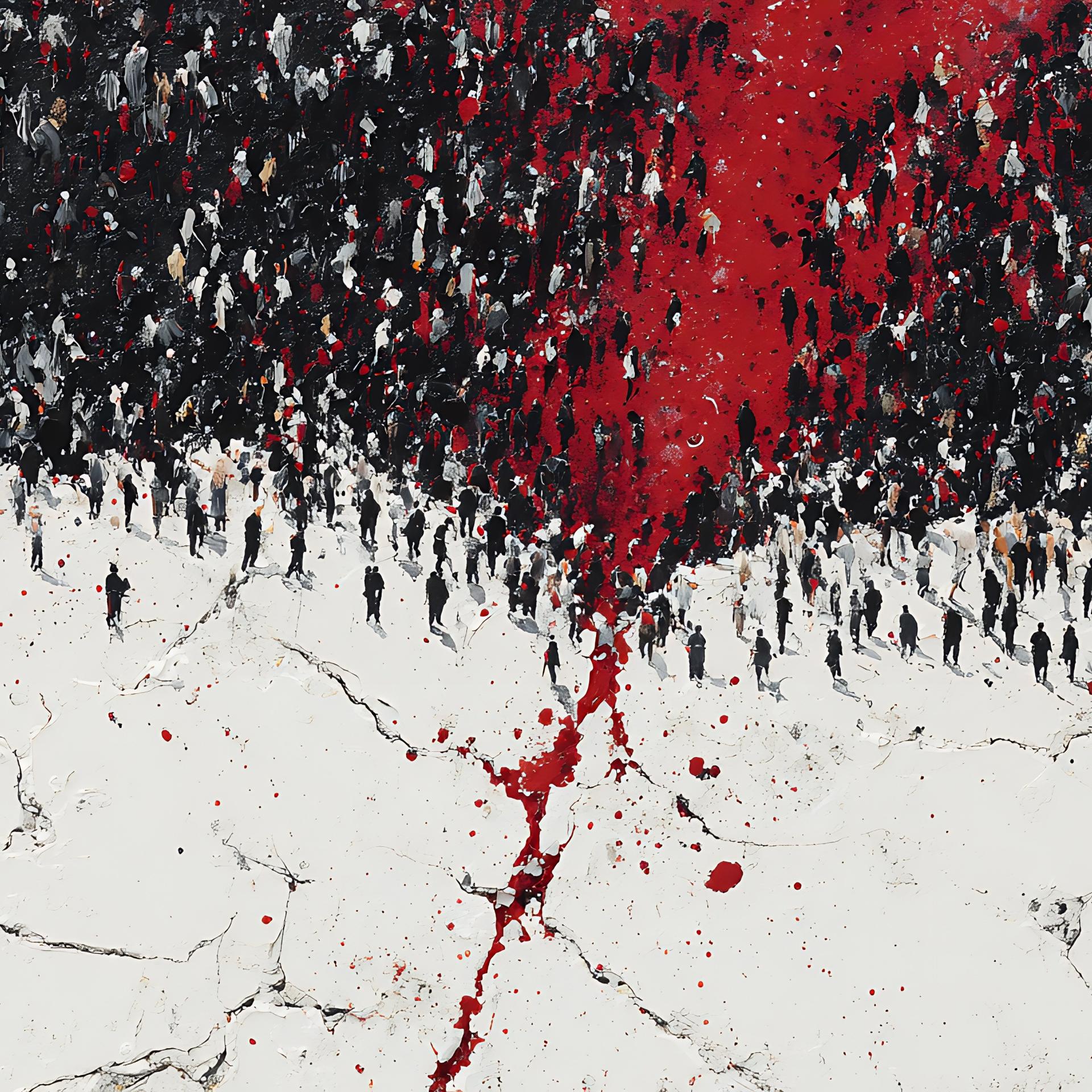
Blood is perhaps the most visceral medium in existence. It is the only substance that is simultaneously a biological necessity, a symbol of kinship, and a harbinger of mortality. For centuries, artists have grappled with this paradox, using blood—both as a representational color and as a literal physical material—to evoke reactions that range from spiritual transcendence to primal horror.
This tension between the sacred and the profane is the central focus of the upcoming exploration, “Quand l’œuvre saigne… le sang dans les arts visuels” (When the work bleeds… Blood in the visual arts), scheduled for May 11, 2026, at the Bnu. The event seeks to interrogate the functions and powers associated with blood in iconography, asking why this specific fluid continues to hold such an omnipresent grip on the human imagination.
As a physician and journalist, I find the intersection of hematology and aesthetics particularly compelling. In the clinic, blood is a diagnostic tool—a map of health or a signal of failure. In the gallery, however, it becomes a language. When blood enters the frame of a painting or the space of a performance, it ceases to be merely a biological fluid and becomes a potent signifier of life force, sacrifice, and the fragility of the human condition.
A Universal Iconography of Life and Death
The use of blood in visual arts is not merely a stylistic choice but a universal iconographic theme. Across nearly every culture and era, blood has served as a shorthand for the most intense human experiences. In its most basic sense, blood represents the “life force.” Its presence suggests vitality, while its loss signals the end of existence. This duality makes it an indispensable tool for artists attempting to capture the essence of human struggle.

Historically, the symbolism of blood has been deeply intertwined with religious narratives. In Western art, the depiction of blood is often tied to the concept of atonement and martyrdom. From the vivid crimson of the Crucifixion scenes in Renaissance altarpieces to the visceral depictions of saints’ sacrifices, blood was used to communicate a divine exchange—the idea that physical suffering could lead to spiritual salvation. In these contexts, blood is not meant to repel the viewer but to invite empathy and contemplation of the divine.
Beyond the religious sphere, blood has long functioned as a symbol of lineage and identity. The phrase “blood relation” is not merely metaphorical; it reflects a deep-seated understanding of blood as the carrier of heritage and ancestral memory. Artists have frequently used this association to explore themes of nationalism, family duty, and the biological bonds that tie individuals to their community.
The Transition to the Literal: Blood as a Medium
While for centuries artists used pigments like cinnabar or cadmium red to represent blood, the 20th century saw a provocative shift toward using actual blood as a medium. This transition moved the conversation from representation to presence. When an artist uses literal blood, the work is no longer just “about” pain or life; it becomes a physical relic of the artist’s or the subject’s body.
This shift is most evident in the realm of performance art. Figures such as Marina Abramović have utilized their own bodies as the primary canvas, often incorporating blood to test the limits of physical and psychological endurance. In these works, the act of bleeding is a performative gesture that breaks the barrier between the artist and the audience, forcing the viewer to confront the reality of the flesh.
Similarly, the “Viennese Actionists” of the 1960s used blood and animal carcasses in ritualistic performances designed to shock the public out of post-war complacency. For these artists, blood was a tool of catharsis, intended to strip away social veneers and return the human experience to its most raw, animalistic state. The use of blood in this context was not about aesthetics, but about a visceral, almost surgical, intervention into the psyche of the viewer.
The Biological Perspective: The Chemistry of Art
From a medical standpoint, using blood as an artistic medium presents unique challenges that differ significantly from traditional oil or acrylic paints. Blood is an unstable biological fluid. The primary protein responsible for its color, hemoglobin, is subject to oxidation. As blood is exposed to air, the iron in the hemoglobin oxidizes, causing the vivid red to shift toward a dull brown or black over time.

This chemical degradation adds a layer of meaning to “bleeding” artworks: they are inherently ephemeral. A work created with fresh blood is a living record of a moment, but as it browns, it becomes a record of decay. This biological reality mirrors the exceptionally themes of mortality and transience that the artists are often trying to explore. The artwork, in a literal sense, “ages” and “dies” alongside the biological material it contains.
the use of human blood in art raises significant bioethical considerations. The handling of biological materials is strictly regulated in medical settings to prevent the transmission of bloodborne pathogens. When these materials enter the public sphere of a gallery or museum, the boundary between artistic expression and public health becomes blurred. This necessitates a careful balance between the artist’s vision and the safety of the curators and the public.
Ethics, Provocation, and the Modern Viewer
In the contemporary era, the use of blood in art often serves as a political statement. By utilizing a substance that is universally associated with violence and injury, artists can draw immediate attention to systemic suffering, war, or social injustice. Blood becomes a tool for visibility, forcing the viewer to acknowledge a pain that is often sanitized in news reports or historical texts.

However, there is a fine line between provocative art and “gore.” The effectiveness of blood in art depends largely on the intent and the context. When used thoughtfully, it can evoke profound empathy or spiritual awe. When used solely for shock value, it risks becoming a spectacle that alienates the viewer rather than engaging them. The power of the medium lies in its ability to bypass the intellectual mind and strike directly at the nervous system.
The upcoming discussion at the Bnu on May 11 will likely delve into these contemporary tensions. By examining how “the work bleeds,” participants can explore whether blood in art today still possesses the power to heal and transform, or if it has become a symbol of a world increasingly desensitized to violence.
Key Perspectives on Blood in Visual Arts
| Feature | Representational (Pigment) | Literal (Biological Medium) |
|---|---|---|
| Primary Goal | Symbolism and Narrative | Presence and Authenticity |
| Viewer Reaction | Intellectual/Emotional Empathy | Visceral/Physical Response |
| Longevity | Stable (depending on pigment) | Ephemeral (oxidizes/decays) |
| Context | Traditional Painting/Sculpture | Performance/BioArt/Conceptual Art |
Whether viewed through the lens of a physician or an art historian, blood remains one of the most honest materials available to the creator. It does not lie about the body, and it does not hide the reality of our shared vulnerability. As we look toward the event on May 11, we are reminded that while the methods of art evolve, the fundamental human fascination with the fluid that sustains us remains unchanged.
The next confirmed checkpoint for this topic will be the public presentation and discussion at the Bnu on May 11, 2026, where these iconographic functions will be analyzed in detail.
How do you perceive the use of biological materials in contemporary art? Does the use of literal blood enhance the message or distract from it? Share your thoughts in the comments below.
Worth a look