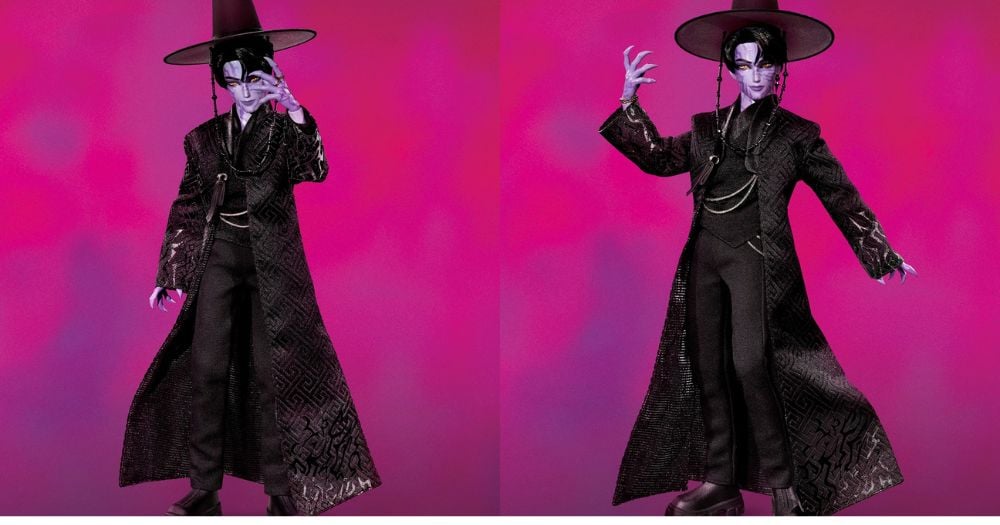
Mattel has officially expanded its collaboration with the K-pop-inspired multimedia franchise K-pop Demon Hunters, launching a new collector doll modeled after the character Jinu, the leader of the fictional group Saja Boys. This product release marks a significant milestone in the franchise’s strategy to integrate high-fidelity character merchandise with its digital storytelling components, according to recent corporate disclosures from Mattel.
The Jinu doll, designed to replicate the aesthetic popularized in the K-pop Demon Hunters series, serves as a central piece in the company’s broader push to bridge the gap between music-industry-inspired narratives and the toy market. By leveraging the specific visual identity of the Saja Boys—a fictional boy band central to the franchise—Mattel aims to capture the interest of both action-figure collectors and enthusiasts of the K-pop cultural phenomenon. The release follows a series of strategic brand partnerships that have positioned the property as a multi-platform lifestyle brand.
Strategic Brand Expansion and Retail Collaborations
The expansion of the K-pop Demon Hunters merchandise line is not limited to the new Jinu figure. The brand has actively pursued cross-industry collaborations to maintain market visibility. Recent reports indicate that the skincare brand Anua has extended its partnership with the franchise, focusing on co-branded promotional campaigns that align the skincare line’s target demographic with the fanbase of the animated series. These collaborative efforts are part of a broader trend where entertainment intellectual property is increasingly utilized to drive sales in the beauty and wellness sectors.
Furthermore, the franchise has solidified its presence in the apparel market through a partnership with Vans. This collaboration involves the production of limited-edition footwear and accessories featuring motifs from the K-pop Demon Hunters universe. By diversifying into apparel and personal care, the franchise creates multiple touchpoints for consumers to interact with the characters outside of the traditional animated narrative. Industry analysts note that these partnerships allow the intellectual property to maintain relevance in a crowded media landscape, where character-based marketing often relies on sustained physical presence in retail spaces.
Understanding the K-pop Demon Hunters Franchise
At its core, K-pop Demon Hunters functions as a multimedia project that combines the high-energy production values of the K-pop industry with supernatural, action-oriented storytelling. The Saja Boys, the central boy band in the narrative, are depicted as performers who simultaneously act as protectors against supernatural threats. This premise allows for a dual-marketing strategy: the music produced by the characters functions as a standalone entertainment product, while the narrative content drives the demand for character-based goods like the new Jinu doll.

The success of this model depends on the integration of digital and physical assets. By releasing high-quality merchandise that mirrors the characters’ on-screen appearances, the production team fosters a sense of collectibility. The Jinu doll is marketed as a faithful representation of the character’s signature look, emphasizing the attention to detail that differentiates modern collector-grade toys from standard action figures. This focus on craftsmanship is intended to appeal to the adult collector market, a demographic that has become increasingly vital to the long-term sustainability of toy franchises.
Market Impact and Consumer Engagement
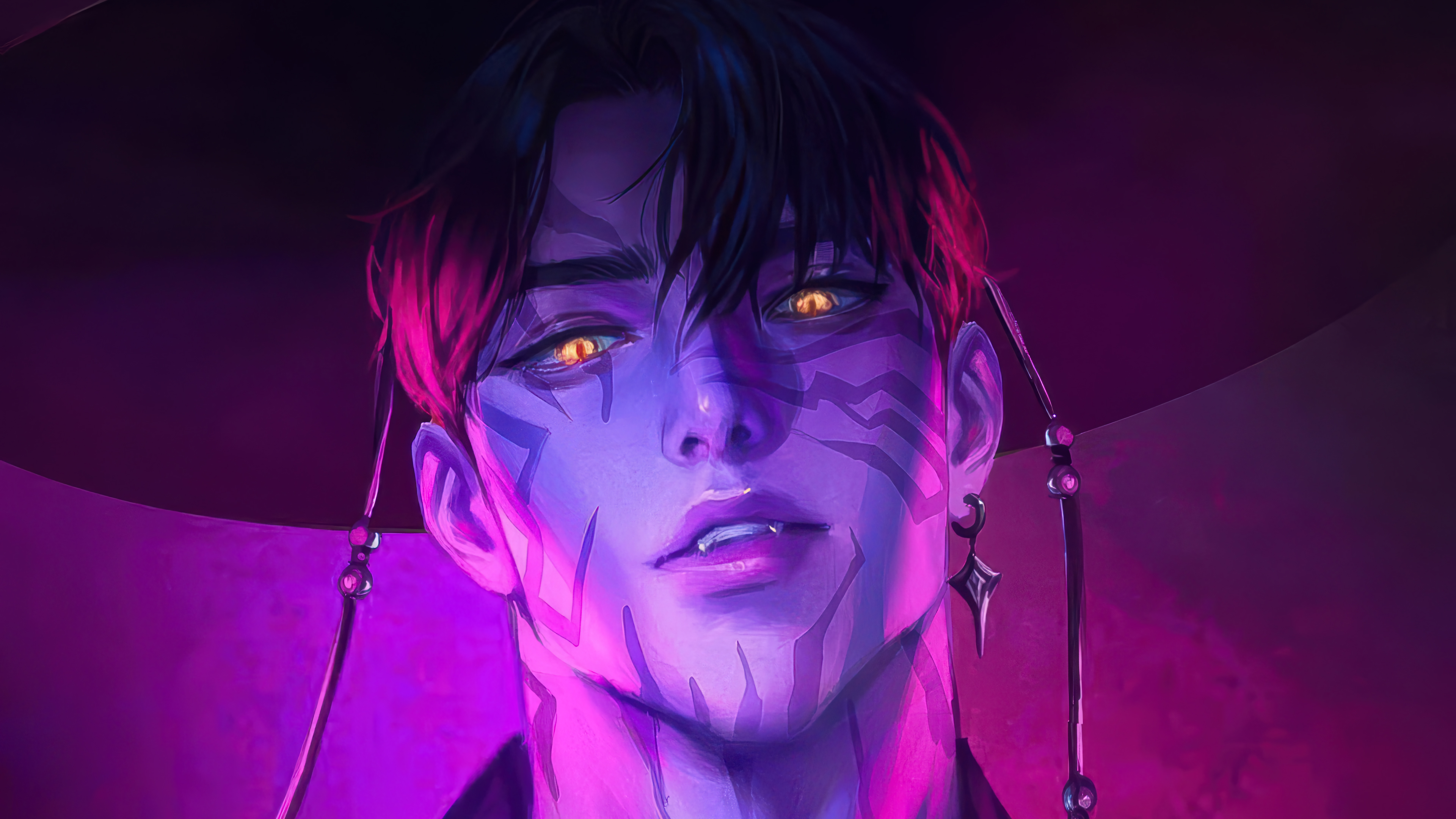
The decision to feature the leader of the Saja Boys as the primary subject for this latest release highlights the character-driven nature of the franchise’s marketing. Jinu, as the focal point of the group, carries the highest level of brand recognition within the story, making the doll a strategic choice for maximizing initial sales volume. Market data from the toy industry consistently shows that character-specific items tied to popular cultural tropes—such as the idol trainee system—tend to perform better among core fanbases than generic line releases.

As the franchise continues to scale, stakeholders are monitoring how these partnerships influence brand loyalty. The integration with established names like Vans and Anua provides a level of legitimacy and reach that the franchise might not achieve on its own. By embedding the K-pop Demon Hunters aesthetic into everyday lifestyle products, the creators are effectively embedding their intellectual property into the daily habits of their audience. Future developments are expected to include additional character releases and expanded retail distribution as the brand looks to solidify its position in international markets.
For fans and collectors seeking the most recent information regarding product availability and future collaborations, official updates are regularly posted through the Mattel Creations portal. The company has not yet announced a specific date for the next wave of figures, but industry expectations suggest a continued focus on expanding the Saja Boys lineup throughout the coming fiscal year. Readers are encouraged to share their thoughts on the new collection and participate in the ongoing conversation regarding the intersection of music culture and toy design in the comments section below.