The German federal government is reviewing sick leave certification protocols to reduce the administrative burden on general practitioners and modernize the transition from paper-based records to digital systems. Current proposals focus on streamlining how employees report illness and the timing of medical certificate requirements to prevent unnecessary clinic visits for short-term ailments.
Under the existing framework of the Entgeltfortzahlungsgesetz (Continued Remuneration Act), employees are generally required to produce a medical certificate if they are unable to work for more than three consecutive days. However, employers maintain the legal right to request a certificate from the first day of illness. The government’s current focus involves optimizing the electronic sick note (eAU) system to eliminate the traditional “yellow slip” (gelber Zettel) and reduce the frequency of mandatory physician visits for minor infections.
The shift toward a fully digital process is intended to alleviate the pressure on Germany’s primary care sector, where physician shortages have increased wait times. By refining the rules around when a doctor must formally certify an illness, the Ministry of Health aims to ensure that medical resources are prioritized for patients requiring actual clinical intervention rather than administrative documentation.
How does the electronic sick note (eAU) replace the “yellow slip”?
The transition to the elektronische Arbeitsunfähigkeitsbescheinigung (eAU) represents a fundamental change in how sick leave is documented in Germany. Previously, doctors issued a tripartite paper form—the “yellow slip”—with copies for the employee, the employer, and the health insurance provider. Since January 1, 2023, this process has been digitized to reduce paperwork and prevent fraud.
Under the eAU system, the physician transmits the sick leave data electronically to the patient’s statutory health insurance provider. The employer then retrieves this information directly from the insurance company via a secure digital interface. This removes the employee’s responsibility to physically deliver a document to their workplace, according to guidelines from the Federal Ministry of Health.
While the eAU is now the standard, the government is examining further refinements to the process. The goal is to ensure that the digital retrieval is seamless across all company sizes, particularly for small businesses that have struggled with the technical implementation of the eAU retrieval process.
Will employees be required to provide medical certificates from the first day?
The debate over “day one” certification centers on the balance between employer oversight and physician workload. While the law allows employers to demand a certificate immediately, the government is discussing ways to discourage this practice for very short-term illnesses, such as common colds or mild flu, which typically resolve within 48 to 72 hours.
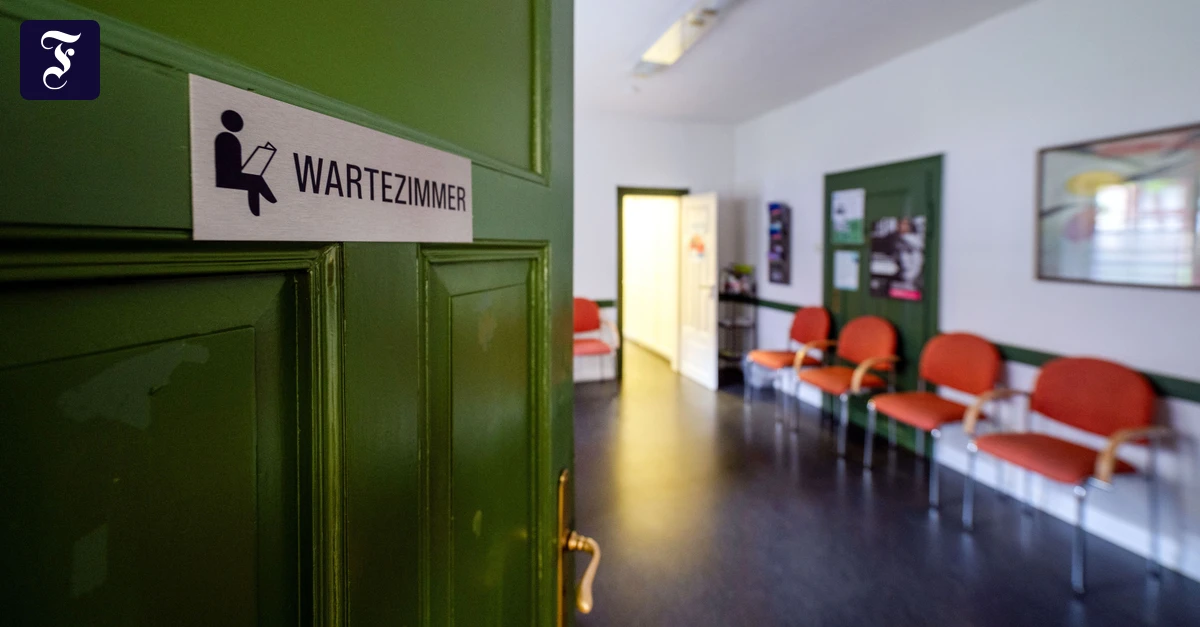
Medical professionals argue that requiring a visit on the first day of a mild illness often leads to overcrowded waiting rooms, increasing the risk of contagion for other patients. By encouraging a standardized “three-day grace period” or allowing for digital self-certification for short durations, the government hopes to reduce the volume of “administrative patients” in clinics.
Current labor laws in Germany still permit the employer to set the terms of certification in the employment contract. If a contract specifies that a certificate is required from the first day, that clause remains legally binding unless new federal legislation specifically overrides it to prioritize public health efficiency.
Why is the government changing sick leave protocols?
The primary driver for these changes is the critical shortage of general practitioners (Hausärzte) in both rural and urban areas. When thousands of employees visit clinics solely to obtain a “yellow slip” for a two-day cold, it diverts time from patients with chronic conditions or acute medical emergencies.
According to data regarding healthcare infrastructure in Germany, the administrative overhead associated with sick leave is a significant contributor to physician burnout. The digitalization of the process via the eAU was the first step; the second step involves questioning the necessity of the physical consultation for every short-term absence.
Furthermore, the government seeks to align German sick leave practices with other European Union member states that utilize more flexible reporting systems. This includes exploring the potential for telehealth consultations to certify sick leave, which would allow doctors to assess patients remotely and issue an eAU without requiring the patient to leave their home.
What are the legal implications for employees and employers?
For employees, the primary impact is a reduction in the logistical burden of reporting illness. The eAU system means that once a doctor has entered the data into the system, the legal requirement to notify the employer is largely handled through the digital link with the health insurer. However, employees must still notify their employer of their absence immediately upon becoming ill.
For employers, the eAU requires a shift in internal HR processes. Instead of filing paper slips, companies must now use the digital retrieval system provided by health insurance funds. Failure to implement these systems can lead to administrative delays in processing sick pay (Entgeltfortzahlung).
The legal framework remains anchored in the Entgeltfortzahlungsgesetz, which mandates that employers continue to pay wages for up to six weeks of illness. Any changes to the timing of certificate requirements—such as a federal mandate to move away from “day one” certificates—would require an amendment to this act or a new regulatory decree from the Ministry of Health.
Comparison of Traditional vs. Digital Sick Leave
| Feature | Traditional “Yellow Slip” | Electronic Sick Note (eAU) |
|---|---|---|
| Delivery | Physical paper delivered by employee | Digital retrieval by employer from insurer |
| Physician Effort | Manual filling and signing of three copies | Digital entry into the health system |
| Verification | Manual check of paper authenticity | Secure, encrypted digital verification |
| Employee Role | Must visit doctor and transport slip | Visit doctor; insurer handles data transfer |
The next confirmed checkpoint for these protocols involves the continued rollout of integrated telehealth certification tools and potential legislative updates to the Entgeltfortzahlungsgesetz to further reduce physician workload. Official updates are expected as the Ministry of Health evaluates the first full year of mandatory eAU implementation.
Do you think digital self-certification for short-term illness would work in your industry? Share your thoughts in the comments below.