
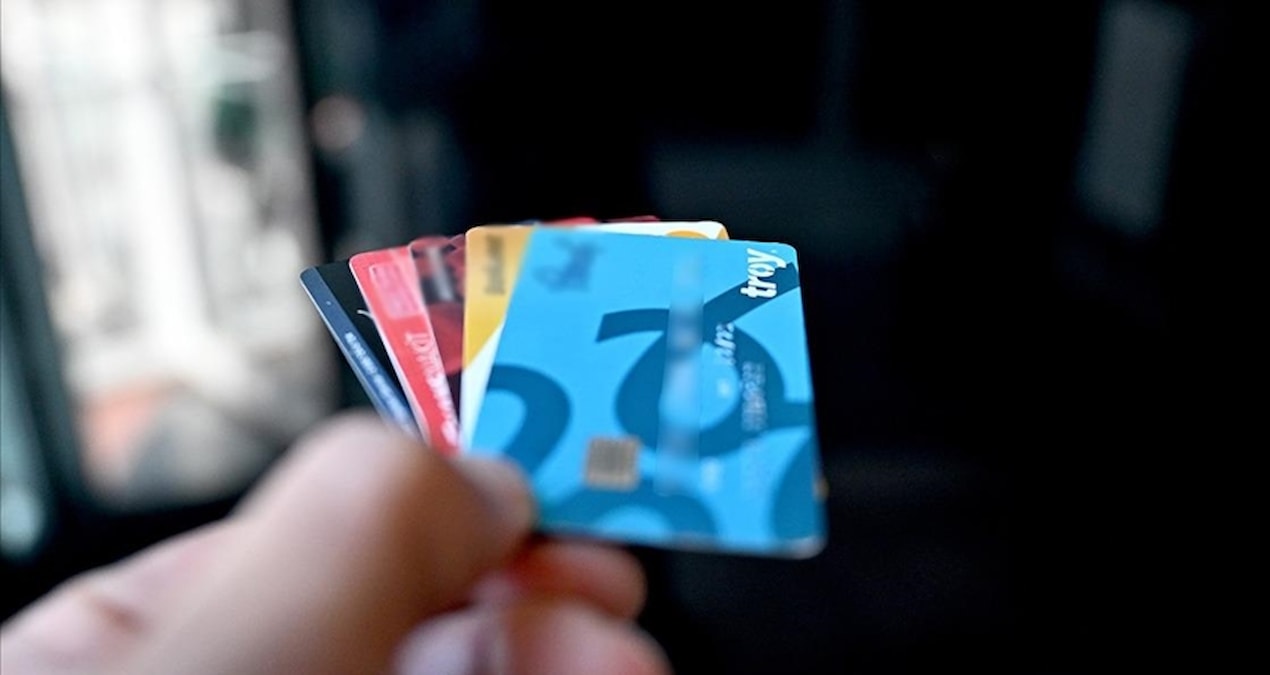
Rising consumer debt levels in Turkey have prompted fresh warnings from financial analysts regarding the risks associated with credit card cash advances. As household reliance on revolving credit grows to manage daily living expenses, regulators and economists are monitoring a sharp increase in the number of individuals entering legal debt follow-up processes, according to data from the Banking Regulation and Supervision Agency (BRDK).
The core of the issue lies in the accumulation of high-interest consumer debt, which often begins with credit card withdrawals. Financial experts note that while cash advances provide immediate liquidity, the cumulative effect of interest rates and administrative fees can quickly lead to insolvency for households already struggling with inflationary pressures. According to recent reports, the number of individuals under legal pursuit for unpaid credit card and personal loan debts has surpassed the one-million mark, signaling a significant strain on personal balance sheets across the country.
Understanding the Mechanics of Debt Accumulation
Credit card cash advances are technically classified as short-term loans rather than standard purchases. Unlike typical retail transactions, these advances often carry higher interest rates and immediate interest accrual from the day of withdrawal. According to the Central Bank of the Republic of Türkiye (TCMB), these rates are adjusted periodically based on broader monetary policy, yet they remain significantly costlier than traditional consumer credit products. For the average borrower, this creates a “debt trap” where the cost of borrowing compounds rapidly, making it difficult to maintain minimum monthly payments.

The reliance on these advances has shifted from a convenience tool to a necessity for many. Independent economic analysis suggests that the erosion of purchasing power has forced a segment of the population to utilize credit cards to cover essential expenditures, such as rent, utilities, and food. This trend is corroborated by figures indicating that personal debt growth is consistently outpacing wage adjustments. When borrowers reach their credit limits, the inability to service the debt triggers automatic reporting to the Credit Bureau (KKB), which negatively impacts future credit scores and access to affordable financial products.
The Impact of Legal Follow-Up Processes
When a borrower fails to make payments for a consecutive period—typically 90 days—the bank initiates a legal follow-up process. This transition is not merely administrative; it marks the point where the debt is turned over to legal departments or external collection agencies. According to official data from the Turkish Statistical Institute (TÜİK), the psychological and financial toll of this process can be severe, often leading to wage garnishment and the liquidation of assets if a settlement is not reached.
Data regarding the total number of individuals in the legal follow-up cycle shows fluctuations based on economic policy shifts. While some periods show a statistical decline in the number of individuals entering this cycle—sometimes cited as a 19% reduction in specific reporting windows—analysts caution that this does not necessarily reflect improved financial health. Instead, it often points to banks restructuring debts or selling portfolios to asset management companies, which keeps the debt active but shifts it off the primary banking balance sheets.
Comparing Household Debt Trends
Global financial monitoring platforms frequently rank national household debt-to-income ratios to gauge economic stability. When comparing Turkey to other emerging economies, the reliance on credit cards for consumption stands out as a unique structural vulnerability. Unlike economies where mortgage debt dominates the household ledger, the Turkish market is characterized by high levels of unsecured consumer debt, as reported by the Bank for International Settlements (BIS). This makes the local consumer base particularly sensitive to interest rate hikes and changes in central bank lending policies.
The following table illustrates the typical progression of debt management issues faced by consumers when interest obligations exceed income growth:
| Stage | Status | Financial Implication |
|---|---|---|
| Phase 1 | Minimum Payment Only | High interest accrual; slow principal reduction. |
| Phase 2 | Credit Limit Exhaustion | Increased risk of default; loss of liquidity. |
| Phase 3 | Legal Follow-up (90+ days) | Legal fees, potential wage garnishment, asset seizure. |
What Happens Next for Borrowers
The next major checkpoint for consumers will be the upcoming quarterly review of credit default rates by the BRDK, which is expected to provide a clearer picture of whether current monetary tightening measures are effectively cooling the demand for high-interest credit. Consumers currently facing difficulty are encouraged to contact their respective banking institutions to inquire about debt restructuring programs before the 90-day delinquency threshold is crossed. These programs, while not eliminating the debt, often provide longer repayment terms and lower interest rates, preventing the initiation of formal legal proceedings.
As the economic environment remains volatile, financial literacy remains the most effective defense against the risks of credit card misuse. For those who have already entered the legal follow-up process, seeking independent legal or financial counseling is recommended to understand the options for mediation. We invite our readers to share their thoughts and experiences regarding the current state of consumer credit in the comments section below.