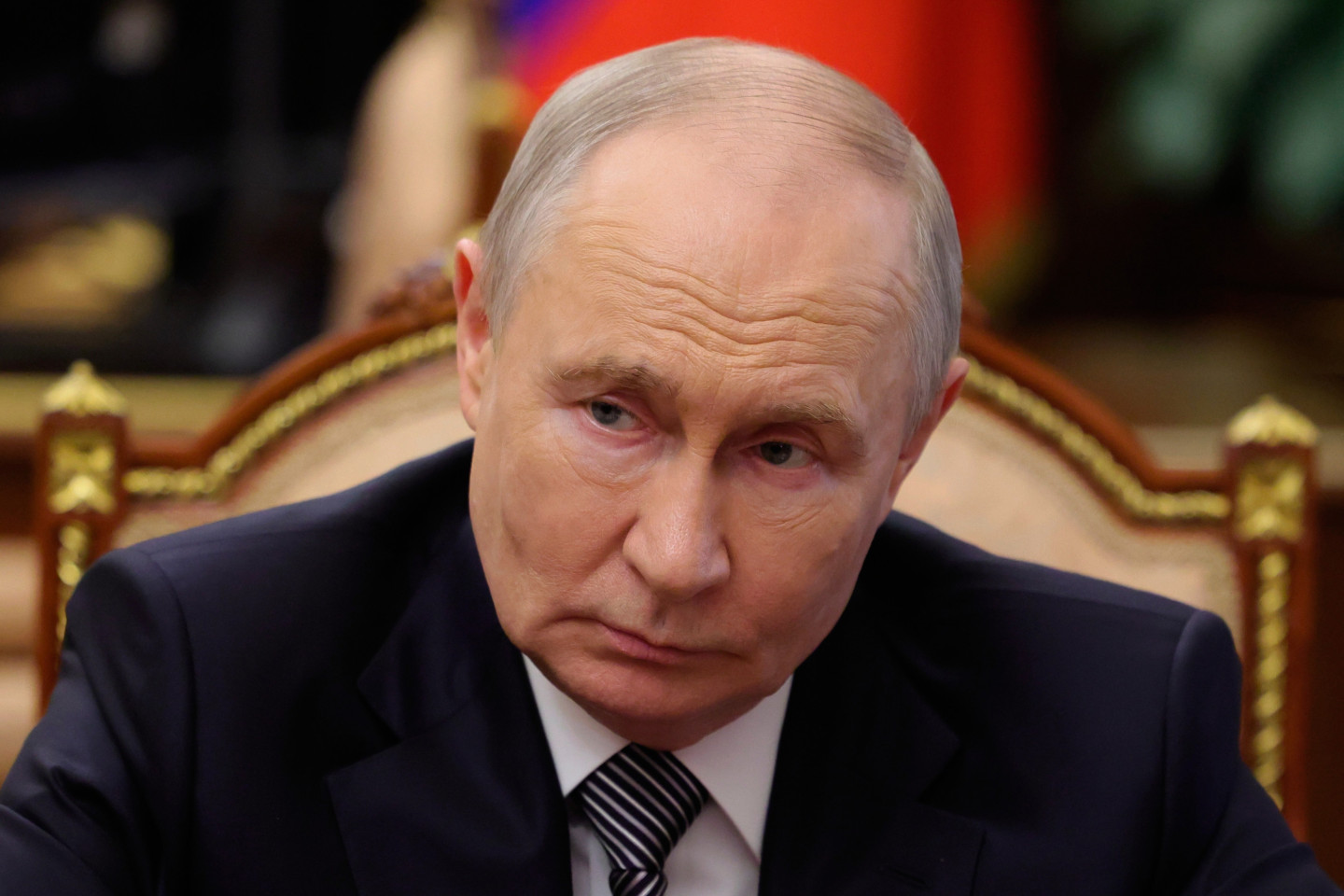
As the geopolitical landscape remains fraught with tension, observers of the Russian Federation continue to scrutinize the stability of its leadership. For analysts and international observers alike, the question of whether Vladimir Putin remains an effective security guarantor for the Russian political elite has become a central focus of contemporary discourse. This shift in perception follows a prolonged period of military engagement in Ukraine, which has prompted complex internal discussions regarding the trajectory of the state and the sustainability of its current strategic posture.
In the halls of power in Moscow, the internal dynamics of the Kremlin are often shielded from public view, yet recent events highlight the pressures mounting on the administration. While the Kremlin continues to project an image of control, the discourse surrounding the security of the nation and the efficacy of its leadership has evolved. The concept of the Russian elite’s perception of security is fundamentally tied to the stability of the state, and recent developments suggest that the traditional narrative of absolute domestic security is facing unprecedented challenges in a shifting global environment.
Evolving Dynamics Within the Kremlin
The internal cohesion of the Russian government is frequently assessed through the lens of its public-facing events and administrative actions. According to official records from the Presidential Executive Office, the daily operations of the state continue, involving high-level meetings, international summits, and diplomatic engagements. For instance, the recent talks between Russia and Kazakhstan on May 28, 2026, serve as a reminder that the administrative machinery of the Kremlin remains active, even as observers debate the long-term implications of current policies.
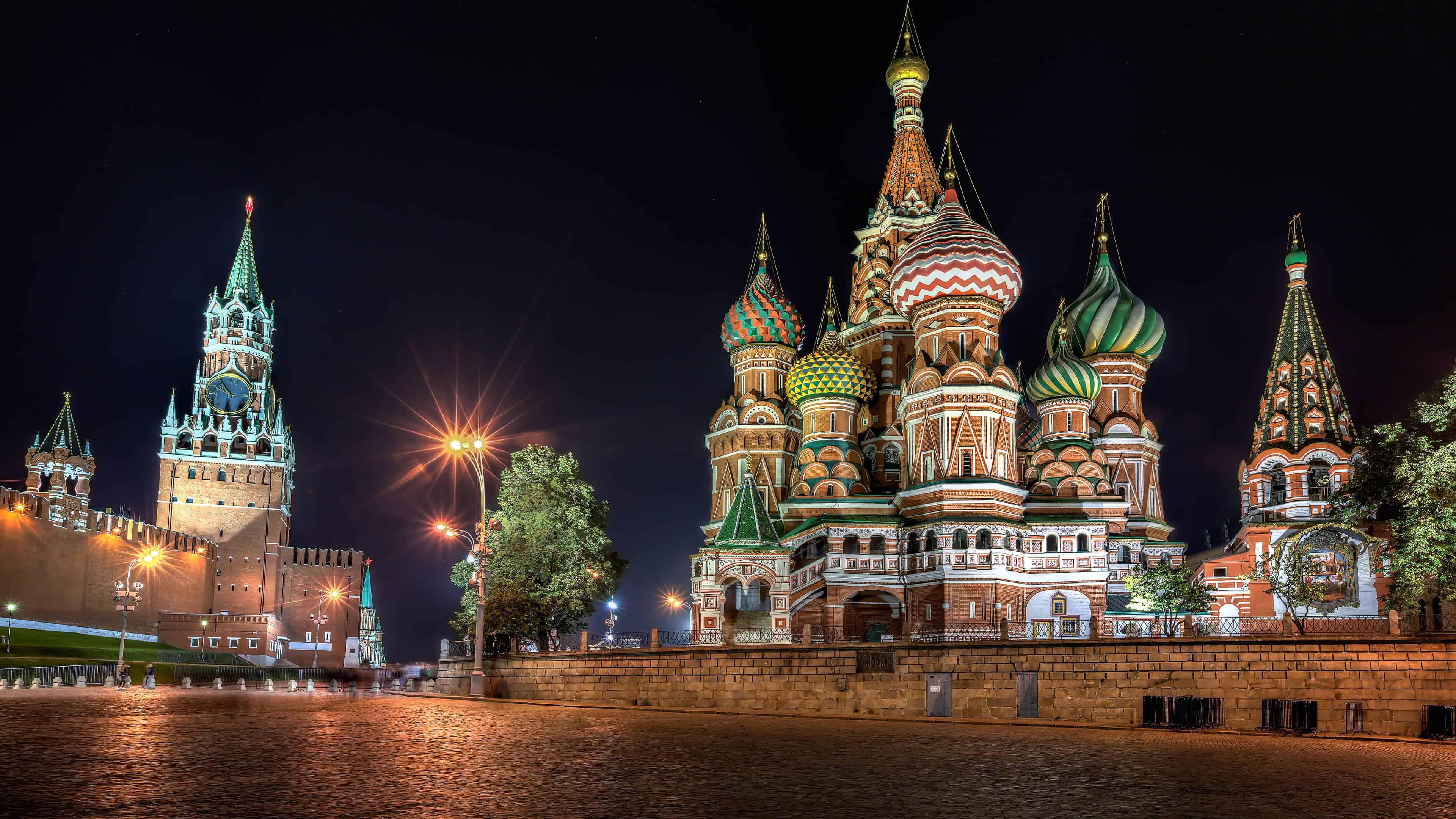
The role of the Kremlin as a symbol of power remains constant, yet its internal functions are increasingly subjected to external analysis. As noted by academic and historical resources, the complex serves as the official residence of the President of the Russian Federation, housing the administrative offices that dictate the country’s domestic and foreign policy. The interplay between these formal roles and the perceived security of the elite remains a subject of intense speculation, particularly as the ongoing military and economic pressures continue to influence the decision-making processes of the Russian leadership.
The Security Paradigm and Public Perception
The narrative of the President as a sole guarantor of security has been a cornerstone of Russian political life for decades. However, the current environment has forced a re-evaluation of this assumption. The challenges faced by the Russian state—ranging from the complexities of the conflict in Ukraine to the broader economic and diplomatic isolation—have created a climate in which the elite are reportedly reconsidering their traditional reliance on centralized, individual-led security models.
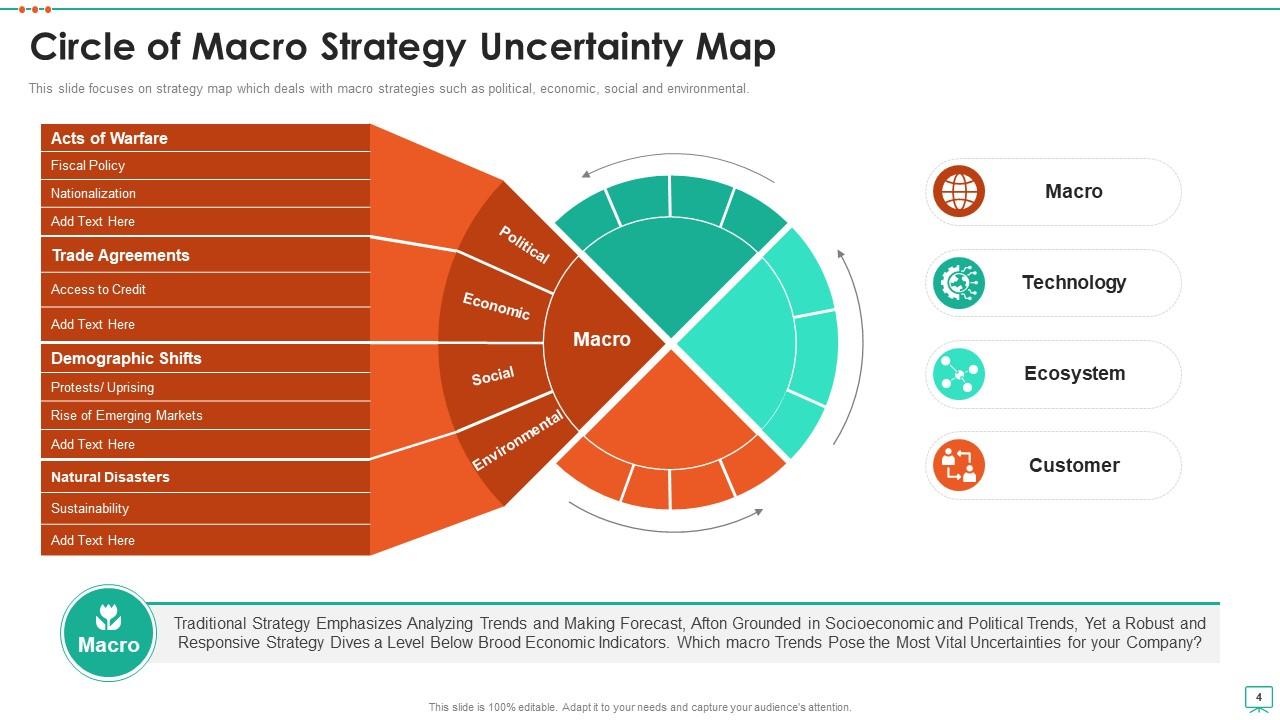
When analyzing these trends, it is essential to distinguish between official state communications and the broader, often unverified, speculation regarding internal dissent. While reports of internal rifts and dissatisfaction among the elite are frequently discussed in international media, official channels maintain a focus on unity and the implementation of state strategies. The International Security Forum, addressed by the President on May 28, 2026, underscores the government’s commitment to framing these challenges within a structured, state-sanctioned security doctrine, even as the efficacy of these measures is questioned by various international analysts.
Key Factors Influencing Elite Sentiment
- Strategic Uncertainty: The lack of a clear, defined conclusion to the ongoing military engagements has reportedly contributed to a sense of unease among the political and economic elite.
- Economic Resilience: The impact of international sanctions and the reallocation of resources toward the defense sector continue to shape the financial landscape, affecting those within the Kremlin’s orbit.
- Succession and Stability: Conversations regarding the long-term future of the Russian state are increasingly focused on the sustainability of current leadership structures, particularly in light of the aging of certain administrative processes.
Looking Ahead: The Path Toward Clarity
For those watching the situation in Moscow, the coming months will likely be defined by how the Russian leadership manages the mounting pressures on its domestic and international fronts. The ability of the Kremlin to maintain the loyalty of its elite while navigating an increasingly complex global landscape remains the primary metric for stability. As the Presidential Executive Office continues to conduct its scheduled diplomatic and administrative activities, the world waits to see how these interactions will influence the internal stability of the Russian state.
The situation remains fluid, and as with all geopolitical developments, the reality on the ground is often more nuanced than the prevailing public discourse might suggest. As an editor, I believe it is crucial for our readers to rely on verifiable data—such as official transcripts, diplomatic communiqués, and established historical context—rather than speculation. We will continue to monitor official updates from Moscow as they become available, providing the context necessary to understand these unfolding events.
We invite our readers to share their perspectives on these developments in the comments section below. How do you view the current stability of the Russian leadership, and what factors do you believe will be most decisive in the coming year? Your insights are a valuable part of our global conversation.
Related reading