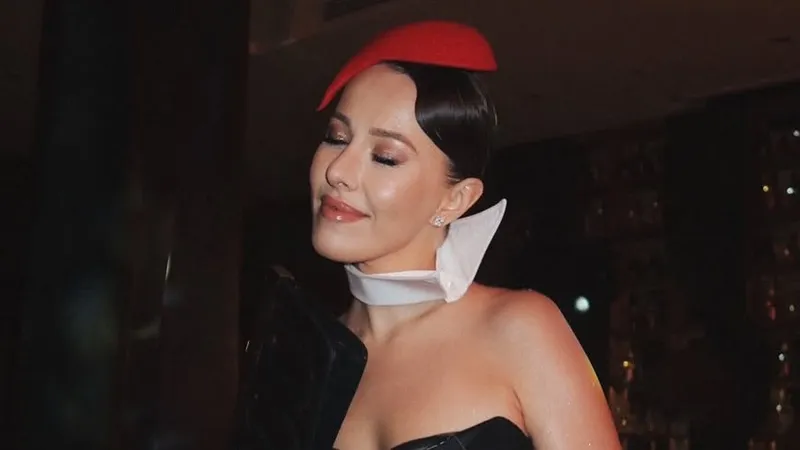
Comedian Nurulan Saburov Holds First Concert in Thailand Following Russia Ban, Ksenia Sobchak in Attendance
Phuket, Thailand – Comedian Nurulan Saburov recently held his first concert since being effectively barred from performing in Russia, drawing a notable attendee in Russian television personality Ksenia Sobchak. The performance, held on February 25, 2026, marked a significant moment for the Kazakhstani comedian, who has faced restrictions on his ability to perform in Russia. Sobchak documented her attendance via her Telegram channel, “Krovavaya Barynya,” detailing aspects of the show and Saburov’s commentary.
The restrictions on Saburov’s ability to perform in Russia stem from a broader context of increased scrutiny and limitations placed on artists and public figures critical of the government. While the specific reasons for the ban haven’t been officially detailed by Russian authorities, it follows a pattern of actions taken against individuals expressing dissenting views. Saburov’s ability to connect with audiences outside of Russia, as demonstrated by the Phuket concert, highlights the growing trend of artists seeking alternative platforms.
Saburov Acknowledges Sobchak’s Support, Jests About Potential Further Restrictions
During his performance, Saburov directly addressed Sobchak’s past support, acknowledging her defense of his work. According to Sobchak’s account, he quipped, “Respect to Sobchak for the protection, but honestly, don’t, or they’ll ban me from entering for 500 years, and I’ll have to perform concerts on the fifth ring of Saturn.” This playful remark underscores the comedian’s awareness of the precarious situation he faces regarding his ability to perform in Russia. The reference to a 500-year ban is hyperbolic, but reflects the perceived severity of the restrictions placed upon him.
Sobchak noted her appreciation that Saburov’s onstage mention of her did not include comparisons to a horse, a reference to previous instances where she felt the comedian’s remarks were dismissive. She stated, “It’s unfair to anyone and a person’s attitude towards me does not affect my opinion of them.” This comment suggests a history of a somewhat complex relationship between the two public figures, marked by both support and playful jabs.
Details of Saburov’s Performance and Arrest Mentioned
Sobchak shared that Saburov recounted his recent experience being detained at an airport, a detail that resonated with the audience. He reportedly mentioned that a significant number of police officers approached him requesting photographs, a detail Sobchak found noteworthy. “He says that every second police officer came up to take a photo with him. Well, what can I say, it’s cool that he doesn’t lose heart,” Sobchak wrote. This anecdote suggests a degree of public recognition and even support for Saburov among law enforcement officials, despite the restrictions placed on his work.
The incident at the airport, while not fully detailed in available reports, likely relates to the enforcement of the restrictions on Saburov’s entry into Russia. The fact that officers sought photos with him despite this enforcement suggests a complex dynamic and potentially widespread popularity of the comedian.
Kazakhstani Singer Kairat Nurtas Celebrates Birthday
In a related note, February 25th also marked the 37th birthday of popular Kazakhstani singer Kairat Nurtas, as reported by Zakon.kz. While seemingly unrelated to Saburov’s concert, the mention highlights the broader cultural landscape of Central Asia and the interconnectedness of the entertainment industries in the region. Nurtas’s birthday was noted alongside the report of Saburov’s performance, suggesting a shared audience or regional interest.
The Broader Context of Artistic Freedom in Russia
Saburov’s situation is emblematic of a wider trend of increasing restrictions on artistic expression within Russia. Since the escalation of geopolitical tensions, numerous artists, musicians, and performers have faced limitations on their ability to work and express themselves freely. These restrictions often manifest as concert cancellations, visa denials, and even legal repercussions for expressing dissenting views. The case of Saburov, and the attention it has garnered from figures like Sobchak, underscores the ongoing debate surrounding artistic freedom and censorship in the country.
The Russian government has increasingly asserted control over cultural production, aiming to promote narratives aligned with its political objectives. This has led to a climate of self-censorship among some artists and a growing exodus of others seeking more permissive environments for their work. The impact of these restrictions extends beyond the artists themselves, affecting the diversity and vibrancy of the Russian cultural scene.
Sobchak’s Role as a Political Commentator and Media Figure
Ksenia Sobchak’s presence at Saburov’s concert and her subsequent commentary on Telegram are consistent with her established role as a prominent political commentator and media personality in Russia. Sobchak has a history of navigating a complex relationship with the Russian government, often offering critical perspectives while maintaining a degree of access to influential circles. Her willingness to publicly support Saburov and document her attendance at his concert demonstrates her continued commitment to speaking out on issues of artistic freedom and political expression.
Sobchak’s Telegram channel, “Krovavaya Barynya,” serves as a platform for her commentary on current events, often offering a critical and independent perspective. Her large following and media presence amplify her voice and contribute to the ongoing public discourse surrounding political and cultural issues in Russia.
The situation surrounding Nurulan Saburov and Ksenia Sobchak’s involvement highlights the challenges faced by artists operating in politically sensitive environments. As Saburov continues to pursue his career outside of Russia, his story serves as a reminder of the importance of artistic freedom and the ongoing struggle to protect it.
Further developments regarding potential changes to restrictions on artists working in Russia are expected in the coming months, as the political climate continues to evolve. Readers interested in staying informed can follow updates from reputable news organizations and human rights groups monitoring the situation.
What are your thoughts on the restrictions placed on artists in Russia? Share your opinions in the comments below.
Worth a look