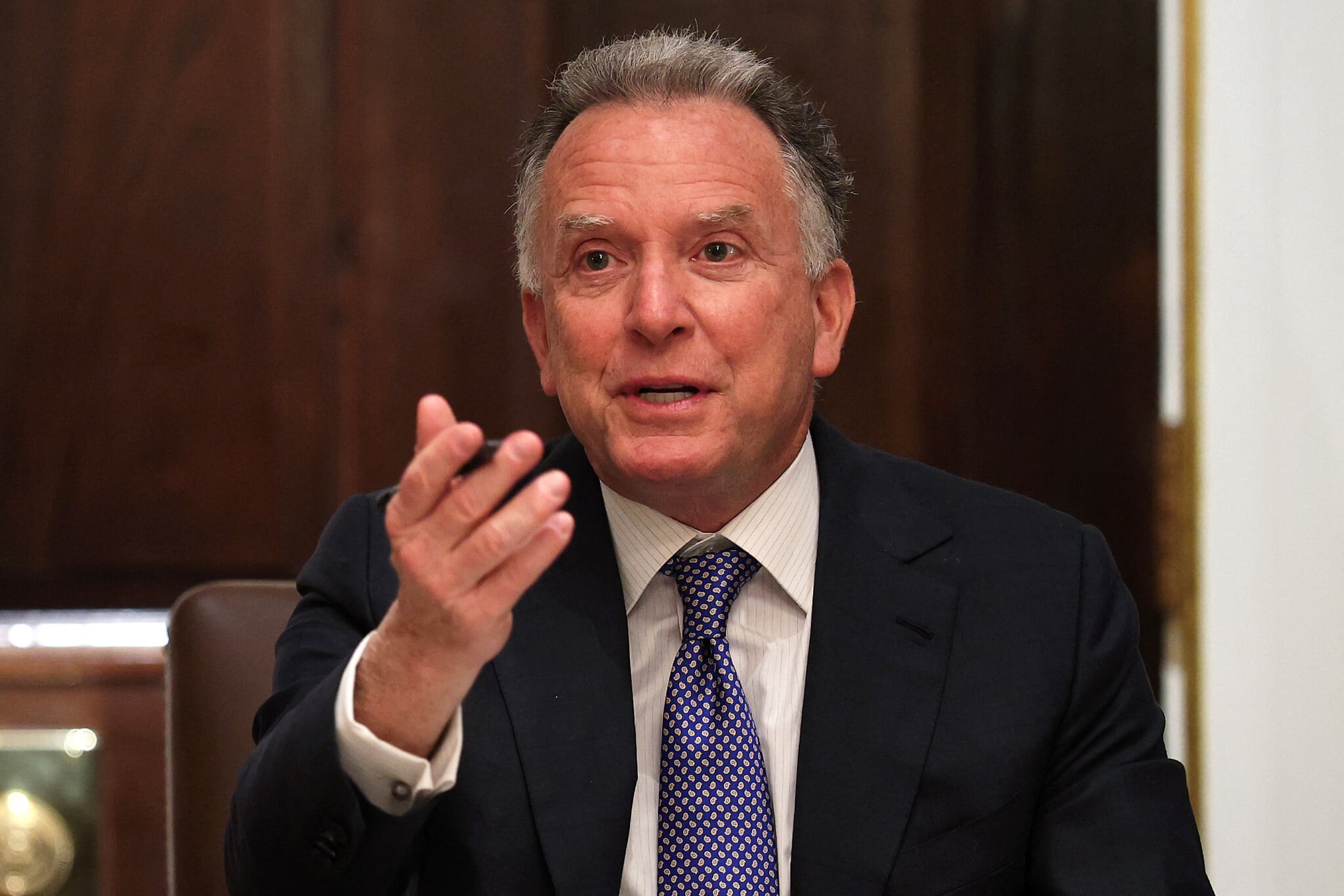
The possibility of a visit to Israel by U.S. Envoys Steve Witkoff and Jared Kushner remains uncertain, though a trip next week is considered probable, according to statements made by Witkoff on Tuesday. The potential visit comes amid heightened tensions in the region, following reported strikes against Iranian oil facilities and ongoing conflict between Israel and Iran. The primary purpose of the trip, should it materialize, would be to coordinate strategy with Israeli officials regarding the Islamic Republic of Iran.
Witkoff, speaking to CNBC, clarified that a previously scheduled visit earlier this week was not canceled due to reported anger over Israeli strikes on Iranian oil sites. He emphasized the ongoing coordination efforts between the U.S. And Israel, particularly concerning Iran. This comes as the U.S. And Israel continue to navigate a complex geopolitical landscape, marked by escalating tensions and concerns over Iran’s nuclear program and regional influence. The situation is further complicated by the ongoing war, which began on February 28th, according to Witkoff.
Ongoing Concerns Over Iran’s Nuclear Ambitions
Central to the discussions between U.S. And Israeli officials is the issue of Iran’s nuclear program. Witkoff stated that Iran currently possesses 460 kilograms of uranium enriched to 60%, a level that, according to him, is unnecessary “unless they want to make a weapon.” This assertion underscores the international community’s concerns about Iran’s intentions and its potential to develop nuclear weapons capabilities. The International Atomic Energy Agency (IAEA) has repeatedly expressed concerns over Iran’s nuclear activities and its lack of full cooperation with inspectors. The IAEA Director General has issued statements detailing the limitations placed on inspections and the necessitate for greater transparency.
Witkoff similarly claimed that the U.S. Had “destroyed the vast majority of their enrichment and conversion capabilities” in previous operations, though he conceded that the Iranian program had not been completely dismantled. He further stated that Iran has barred inspectors from the United Nations from accessing its nuclear sites since the U.S. And Israel launched strikes against Iran last year. This lack of access raises serious concerns about the verifiability of Iran’s nuclear activities and its compliance with international agreements. The denial of access to IAEA inspectors is a significant breach of international protocols and hinders efforts to ensure the peaceful use of nuclear technology.
The Question of Regime Change and Shared Objectives
When questioned about whether Israel’s ultimate goals in the current conflict align with those of Washington, particularly regarding the possibility of regime change in Iran, Witkoff asserted that they do. This statement suggests a degree of consensus between the U.S. And Israel on the desired outcome of the conflict, despite differing approaches and priorities. Although, the pursuit of regime change remains a controversial and potentially destabilizing objective, with significant implications for regional security. The potential consequences of a regime change in Iran are far-reaching and could exacerbate existing tensions in the Middle East.
Witkoff’s comments also alluded to the vulnerability of Israel, stating, “Israel is a country that can be destroyed by a single bomb. One bomb is enough to annihilate them.” Whereas lacking specific details, this statement underscores the existential threat that Iran’s nuclear program poses to Israel and the urgency of addressing the issue. The potential for a single nuclear weapon to inflict catastrophic damage on Israel is a major driver of Israeli security policy and its efforts to counter Iran’s nuclear ambitions.
Diplomatic Efforts and the Path Forward
Despite the current focus on military pressure, Witkoff indicated that the U.S. President remains open to negotiations with Iran. However, he emphasized that “for now, peace through force prevails,” suggesting that the U.S. Believes that Iran only understands the language of strength. This approach reflects a broader shift in U.S. Policy towards Iran, characterized by a more assertive stance and a willingness to use military force to deter Iranian aggression. The effectiveness of this strategy remains to be seen and the potential for escalation remains a significant concern.
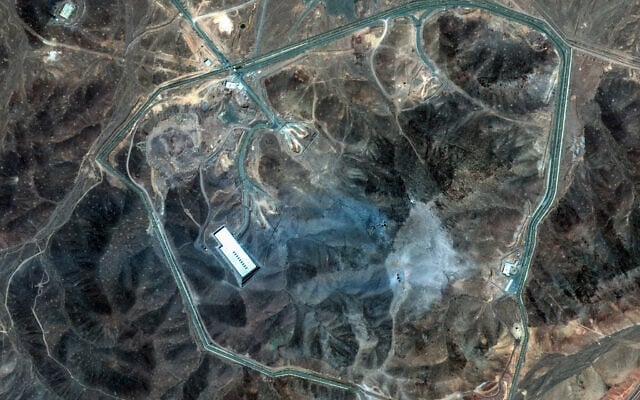
Witkoff further claimed that Iran has created an “offensive anti-missile shield” to protect its nuclear program and has been sowing chaos throughout the region, losing its allies by targeting them since the start of the war. These accusations highlight Iran’s alleged destabilizing activities in the Middle East and its efforts to expand its regional influence. The development of advanced missile capabilities by Iran is a major concern for regional and international security.
Allegations of Russian Support for Iran
Responding to questions about reports that Russia is sharing intelligence with Iran against the United States, Witkoff stated that Moscow has denied these allegations. However, he added, “Let’s hope they don’t share… We can take them at their word.” This statement reflects a degree of skepticism regarding Russia’s intentions and its potential to undermine U.S. Interests in the region. The relationship between Russia and Iran has been strengthening in recent years, raising concerns about potential cooperation in areas that could destabilize the Middle East. In February 2024, Reuters reported on the deepening ties between Russia and Iran, citing increased trade and military cooperation.
Key Takeaways
- A potential visit to Israel by U.S. Envoys Steve Witkoff and Jared Kushner is likely next week, focused on coordinating strategy regarding Iran.
- The U.S. Remains deeply concerned about Iran’s nuclear program, particularly its enrichment of uranium to 60%.
- Despite a focus on military pressure, the U.S. President remains open to negotiations with Iran, though current conditions are not conducive to talks.
- Allegations of Russian support for Iran are being monitored, with Moscow denying intelligence sharing.
The situation remains fluid and highly sensitive. The next key development to watch for will be confirmation of the travel plans of Witkoff and Kushner, and the substance of any discussions they may have with Israeli officials. Continued monitoring of Iran’s nuclear activities and its regional behavior will also be crucial in assessing the evolving dynamics of the conflict. Readers are encouraged to follow updates from reputable news sources and official government statements for the latest information.