
Humanity’s reach into the cosmos just got a major power boost. L3Harris Technologies has achieved a critical milestone in space exploration by finalizing the design of its Next-Generation Radioisotope Thermoelectric Generator (Next Gen RTG), a nuclear power system that will enable spacecraft to venture farther into the solar system than ever before. This breakthrough, announced after passing a rigorous critical design review in April 2026, marks the first significant upgrade to this technology in decades and could power NASA’s next generation of deep space probes—including potential missions to Uranus—as early as the early 2030s.
The Next Gen RTG represents more than just an engineering achievement; it’s a revival of a capability that has been dormant for years. These generators convert the heat from the decay of plutonium-238 into reliable electricity, providing the sustained power needed for missions where solar panels would be useless—far beyond the orbit of Mars, where sunlight becomes too faint to harness. With NASA planning increasingly ambitious missions to the outer solar system, this technology couldn’t come at a better time.
What makes this development particularly exciting is its dual functionality. Beyond generating electricity, the Next Gen RTG will also serve as a thermal regulator, keeping sensitive spacecraft components warm in the frigid vacuum of deep space. This dual-purpose capability addresses one of the biggest challenges in outer solar system exploration: maintaining operational temperatures while traveling billions of miles from the Sun.
For space enthusiasts and industry watchers, this technology represents the convergence of nuclear science, aerospace engineering, and interplanetary ambition. But what exactly is a radioisotope thermoelectric generator, and why is this new version so significant? Let’s break down the science, the stakes, and what comes next for humanity’s exploration of the cosmos.
What Is a Radioisotope Thermoelectric Generator (RTG)?
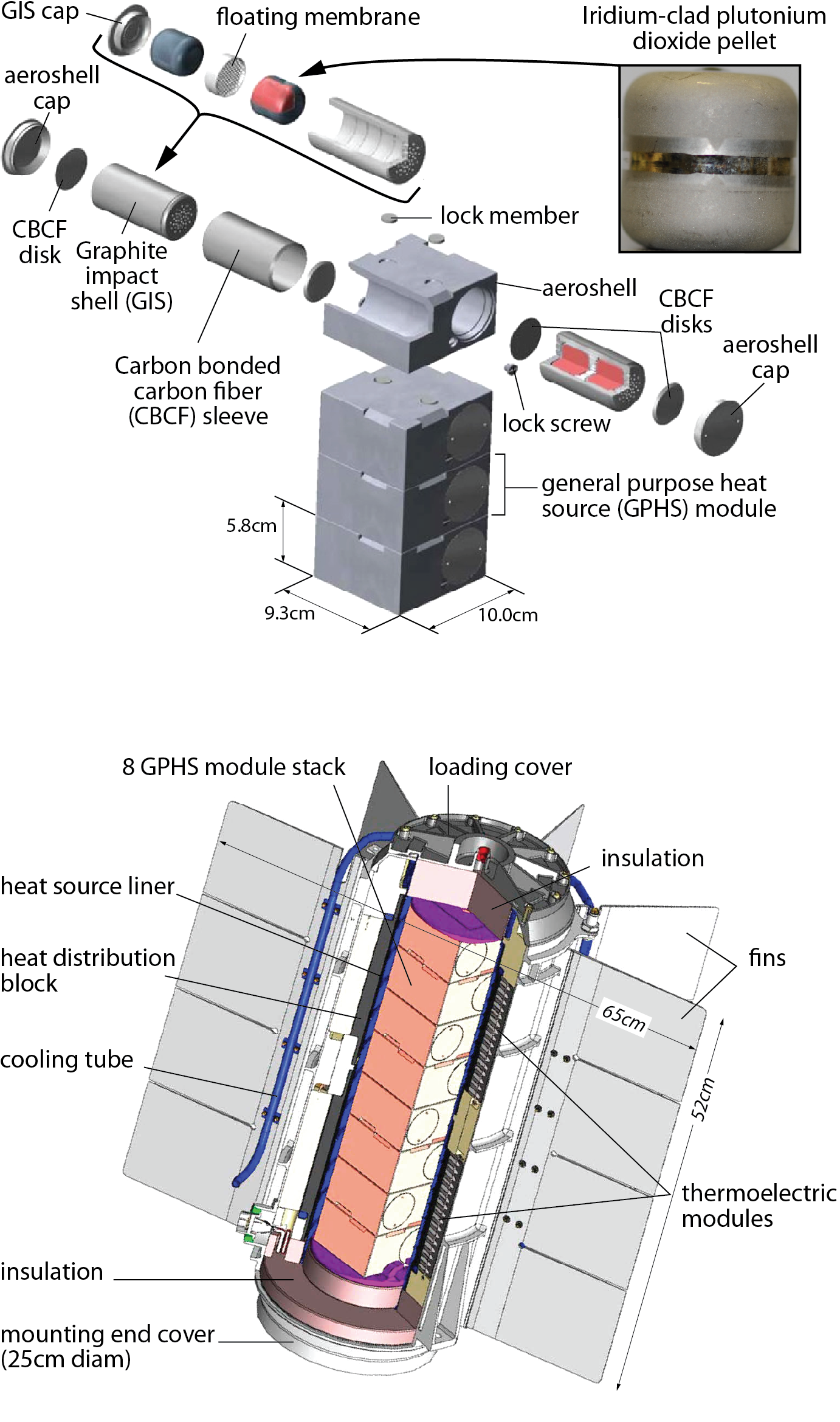
At its core, an RTG is a power source that generates electricity from the natural decay of radioactive material. The most commonly used isotope in these generators is plutonium-238, which emits heat as it decays. This heat is then converted into electrical energy through thermoelectric materials, creating a steady power supply that can last for decades—critical for missions that travel beyond the reach of solar energy.
The concept isn’t new. RTGs have been powering NASA missions for over 60 years, including the iconic Voyager probes launched in 1977, which are still operating today in interstellar space. However, the technology has seen limited production and upgrades in recent decades, leaving NASA with aging inventory and a pressing need for more advanced systems as mission scopes expand.
The Next Gen RTG builds on this legacy with several key improvements. According to L3Harris, the new design is more efficient, lighter, and capable of producing 250 watts of power—enough to sustain complex scientific instruments and communication systems over extended periods in the harsh environment of the outer solar system[L3Harris Press Release]. This represents a meaningful leap forward from earlier RTG models, which typically generated around 300 watts but were bulkier and less efficient.
Why Nuclear Power Is Essential for Deep Space Missions
Solar panels have been the workhorse of space exploration for decades, powering everything from the International Space Station to Mars rovers. But as missions venture farther from the Sun, solar power becomes increasingly impractical. At the distance of Jupiter, sunlight is about 25 times dimmer than on Earth, and by the time you reach Uranus or Neptune, solar arrays would need to be impractically large to generate meaningful power. This is where RTGs shine.
Beyond electricity generation, RTGs provide another critical function: thermal regulation. The outer solar system is a frozen wasteland, with temperatures plummeting to nearly absolute zero. Without a reliable heat source, spacecraft electronics would freeze, and fail. The Next Gen RTG addresses this by using the same radioactive decay that generates power to maintain optimal operating temperatures, ensuring that instruments remain functional even in the most extreme cold.
This dual capability is particularly important for missions like a proposed Uranus orbiter, which would require both power and thermal management to survive in the -224°C (-371°F) temperatures at that distance from the Sun. NASA has long recognized the need for advanced power systems to enable such missions, and the Next Gen RTG appears to be the solution.
The Critical Design Review: A Milestone for Space Nuclear Power
The path to deploying the Next Gen RTG reached a major turning point on April 2, 2026, when L3Harris completed the critical design review (CDR) for the system. The CDR is a rigorous process where engineers and scientists evaluate every aspect of a design to ensure it meets all technical requirements and can be manufactured safely and reliably.
Bill Sack, General Manager of RocketWorks and Power Systems at L3Harris, emphasized the significance of this milestone in a statement: “Passing the CDR is an important milestone because it validates that our design meets all the technical requirements and can be manufactured.” He added that the review also demonstrates L3Harris’s ability to re-establish this critical capability after years of limited production, a nod to the historical challenges in maintaining RTG manufacturing expertise[L3Harris].
The CDR process involved extensive testing and simulation, including assessments of radiation shielding, thermal performance, and long-term reliability. Given the sensitive nature of nuclear materials in space, safety and containment are paramount. L3Harris has worked closely with NASA and the U.S. Department of Energy to ensure that the Next Gen RTG meets all regulatory and safety standards for spaceflight.
What Comes Next: From Design to Deployment
With the CDR complete, L3Harris is now moving into the manufacturing phase, with flight units expected to be ready for integration into NASA missions starting in the early 2030s. The timeline aligns with NASA’s ambitious plans for outer solar system exploration, including potential missions to Uranus, Neptune, and even the Kuiper Belt.
One of the most anticipated applications of the Next Gen RTG is its role in powering a Uranus orbiter mission. Such a mission would require two RTGs to provide both electricity and thermal regulation, enabling the spacecraft to operate for years in the extreme conditions of the outer solar system. NASA has not yet formally announced a Uranus mission, but the technology now exists to support it, and advocates in the scientific community are pushing for its inclusion in the agency’s long-term exploration roadmap.
Beyond NASA, the Next Gen RTG could also find applications in commercial space exploration, including missions to the Moon and Mars. While solar power remains sufficient for lunar operations, the technology could be adapted for deep space cargo missions or even future human exploration efforts where reliable, long-lasting power is essential.
The Broader Implications: Nuclear Power in Space
The development of the Next Gen RTG is part of a broader renaissance in space nuclear power. Over the past few years, NASA and other space agencies have renewed their focus on nuclear propulsion and power systems as essential tools for deep space exploration. This includes:
- Kilopower Reactor: NASA has been testing small nuclear reactors, like the Kilopower project, which could provide megawatts of power for future lunar or Martian bases.
- Nuclear Thermal Propulsion: Concepts for nuclear-powered rockets are being explored to enable faster transit times to Mars and beyond.
- International Collaboration: Agencies like the European Space Agency (ESA) and Roscosmos are also investing in advanced power systems for deep space missions.
L3Harris’s Next Gen RTG stands out because it bridges the gap between existing RTG technology and the needs of next-generation missions. Unlike larger nuclear reactors, which are still in the experimental phase, the Next Gen RTG is a proven concept with a clear path to deployment. Its success could pave the way for more ambitious missions and inspire further innovation in space nuclear power.
Addressing Concerns: Safety and Public Perception
Nuclear power in space has always been a topic of debate, particularly regarding safety and the potential risks of radioactive materials. However, the design of RTGs is specifically optimized for safety. The plutonium-238 used in these generators is not weapons-grade and poses minimal risk of nuclear proliferation. The plutonium is encased in multiple layers of shielding to prevent release during launch or operation.

NASA and L3Harris have worked extensively to address public concerns, including:
- Strict adherence to international space debris and nuclear safety regulations.
- Redundant containment systems to prevent accidental release of radioactive material.
- Transparency in mission planning and environmental impact assessments.
Historically, RTGs have an excellent safety record. The Voyager probes, which have been operating for over four decades, have never experienced a radioactive release. The Next Gen RTG builds on this legacy with even more robust safety features.
Key Takeaways: What So for Space Exploration
Why This Development Matters
- Extended Mission Capabilities: The Next Gen RTG enables missions to the outer solar system, where solar power is ineffective, by providing decades of reliable electricity and thermal regulation.
- Technological Revival: After years of limited production, L3Harris has re-established the ability to manufacture advanced RTGs, ensuring NASA has the power systems needed for future exploration.
- Dual Functionality: Unlike traditional RTGs, the Next Gen version also serves as a thermal regulator, keeping spacecraft components operational in extreme cold.
- Mission Enabler: Potential applications include a Uranus orbiter, deep space probes, and even future human missions to Mars or beyond.
- Safety and Regulation: The design incorporates multiple layers of shielding and follows strict safety protocols to mitigate any risks associated with nuclear materials in space.
- Broader Implications: This technology could inspire further innovation in space nuclear power, including propulsion systems and larger reactors for lunar or Martian bases.
What’s Next? The Road Ahead for Deep Space Exploration
The next major checkpoint for the Next Gen RTG will be the manufacturing phase, with flight units expected to be ready for integration into NASA missions by the early 2030s. NASA’s fiscal year 2027 budget request will likely include funding for these missions, and the agency’s Planetary Science Division is expected to provide updates on mission planning in the coming months.

For now, space enthusiasts can look forward to the following developments:
- NASA’s Planetary Science Decadal Survey: Due in 2027, this report will outline NASA’s priorities for planetary exploration, including potential missions to Uranus, Neptune, and the Kuiper Belt.
- RTG Production Timeline: L3Harris is expected to begin full-scale manufacturing of the Next Gen RTG in late 2026 or early 2027, with initial units undergoing rigorous testing before launch.
- International Collaboration: NASA may partner with ESA or other space agencies to share the costs and risks of deep space missions, particularly those requiring advanced power systems.
- Public Engagement: As missions are announced, NASA will likely host public briefings and educational initiatives to highlight the scientific and technological achievements enabled by the Next Gen RTG.
If you’re as excited about this development as we are, we’d love to hear your thoughts. Will the Next Gen RTG enable the next great leap in space exploration? What missions do you hope to see powered by this technology? Share your predictions in the comments below, and don’t forget to follow World Today Journal for the latest updates on this groundbreaking advancement.
Related reading