Argentina’s financial courts are investigating more than 30 companies linked to foreign currency transactions totaling $660 billion in Argentine pesos, according to official documents accessed by national media. The probe centers on alleged irregularities during the country’s currency controls period, commonly referred to as the “cepo,” when access to U.S. Dollars was strictly limited by the central bank.
The investigation, led by federal prosecutor Franco Picardi, examines whether these entities facilitated unauthorized access to foreign exchange through mechanisms that bypassed official channels. A significant portion of the activity—91.5%—occurred in 2023, raising concerns about the traceability of funds and potential collusion between private actors and public officials.
Among the companies under scrutiny is Centenera, a foreign exchange house registered to an individual who identified himself as an air conditioning installer during judicial testimony. Despite this, Centenera reportedly conducted over 9.2 billion pesos in sales, and 11.1 billion pesos in purchases within just six months of 2023, according to central bank records cited in the investigation.
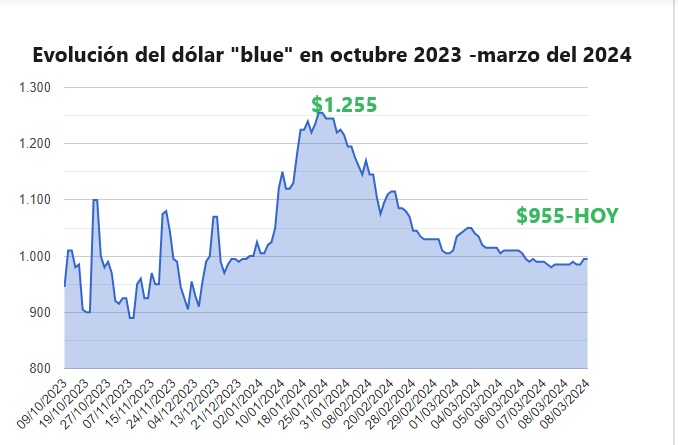
These transactions are believed to have been part of a scheme known locally as the “rulo” financiero, in which pesos were deposited into accounts of compliant exchange houses, then used to purchase dollars at the official rate before being resold at a premium in the informal or “blue” dollar market. The mechanism allowed participants to profit from the gap between the official and parallel exchange rates during periods of strict currency controls.
Judicial sources indicate that at least five public officials and 34 companies are under active review in the case, which has operated under judicial secrecy for nearly two months. In late December, three federal judges authorized simultaneous raids on multiple locations as part of the evidence-gathering phase.
The probe also intersects with another line of inquiry involving the import authorization system known as SIRAs (Sistema de Importaciones de la República Argentina), suggesting a broader examination of how state-regulated financial channels may have been exploited for speculative or illicit gain during the cepo era.
As of April 2026, the investigation remains ongoing, with no formal charges filed publicly. Legal representatives for those involved have not issued public statements, and the central bank has not released an official position on the allegations.
For updates on judicial proceedings, the public can monitor filings through the Argentine Federal Judiciary’s official portal, where case summaries and hearing schedules are periodically published.
If you have information or perspectives on financial regulation and transparency in emerging markets, we invite you to share your thoughts in the comments below or share this article to help inform broader discussion.