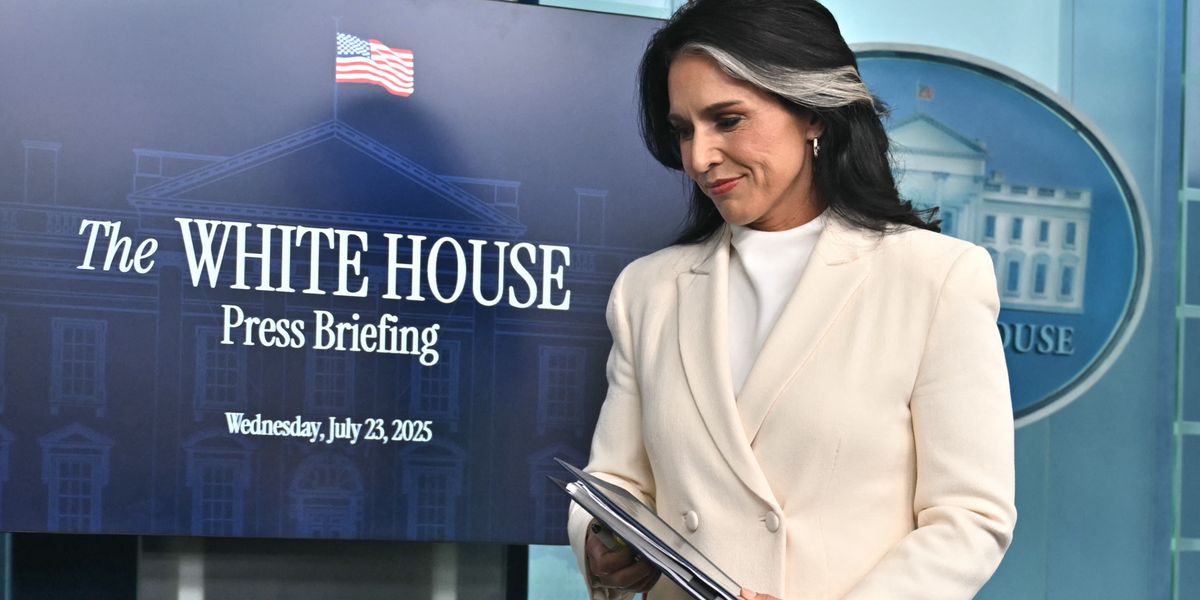
Tulsi Gabbard, the Director of National Intelligence (DNI), has officially announced her resignation from the position, citing the need to prioritize her family following her husband’s diagnosis of cancer. The departure marks a significant shift within the U.S. Intelligence community and the broader federal administration.
As the leader of the nation’s intelligence efforts, the DNI serves as the principal advisor to the President, the National Security Council and the Homeland Security Council on intelligence matters related to national security. The role involves overseeing the integration of foreign, military, and domestic intelligence in defense of the United States and its interests abroad, as detailed by the Office of the Director of National Intelligence (ODNI).
A Transition in National Security Leadership
The resignation follows reports of internal tensions within the administration, though the primary focus of the announcement remains on the health challenges currently facing Gabbard’s family. In high-level government roles, departures are often subject to established protocols to ensure continuity of operations. The intelligence community relies on a structured hierarchy to maintain the flow of critical information to policymakers, a process governed by the Intelligence Reform and Terrorism Prevention Act of 2004.
The DNI is tasked with managing the Intelligence Community (IC), a coalition of 18 agencies and organizations. Transitions in this office require careful coordination to prevent disruptions in global intelligence gathering and threat assessment. As the administration prepares for this change, the focus remains on ensuring that the mission of the IC—protecting the nation through timely, objective, and actionable intelligence—continues without interruption.
The Role of the Director of National Intelligence
Established in the wake of the 9/11 Commission Report, the position of Director of National Intelligence was created to improve information sharing across the U.S. Intelligence apparatus. The DNI is responsible for managing the National Intelligence Program (NIP) budget and overseeing the development of the National Intelligence Strategy. This strategy outlines the priorities for intelligence collection and analysis, reflecting the evolving geopolitical landscape.
The duties of the office include:
- Providing the President with the President’s Daily Brief (PDB).
- Establishing objectives and priorities for the entire intelligence community.
- Managing and directing the tasking of intelligence collection assets.
- Protecting intelligence sources and methods from unauthorized disclosure.
For those tracking the succession process or institutional updates, official information regarding the leadership transition is typically published through the White House Briefing Room, which serves as the primary portal for presidential appointments and administration announcements.
Looking Ahead: Continuity and Stability
In the coming days, the administration is expected to announce an acting lead or a nomination for the permanent successor to the position. Under federal law, the process for appointing a new DNI includes a nomination by the President followed by confirmation by the United States Senate, as outlined in the U.S. Senate’s constitutional role regarding executive appointments.

As this story develops, observers of international affairs and domestic policy will be watching for signals regarding the administration’s strategic direction. The intelligence community remains a cornerstone of U.S. Foreign policy, and the leadership of the ODNI is central to maintaining the stability and security of the nation’s democratic processes.
We will continue to provide updates as official confirmation of the transition timeline is released by the White House. We invite our readers to share their perspectives in the comments section below, and we encourage you to subscribe to our newsletter for the latest developments in global affairs.
Related reading