Los Angeles County Court System Grapples with Inmate Transportation Crisis
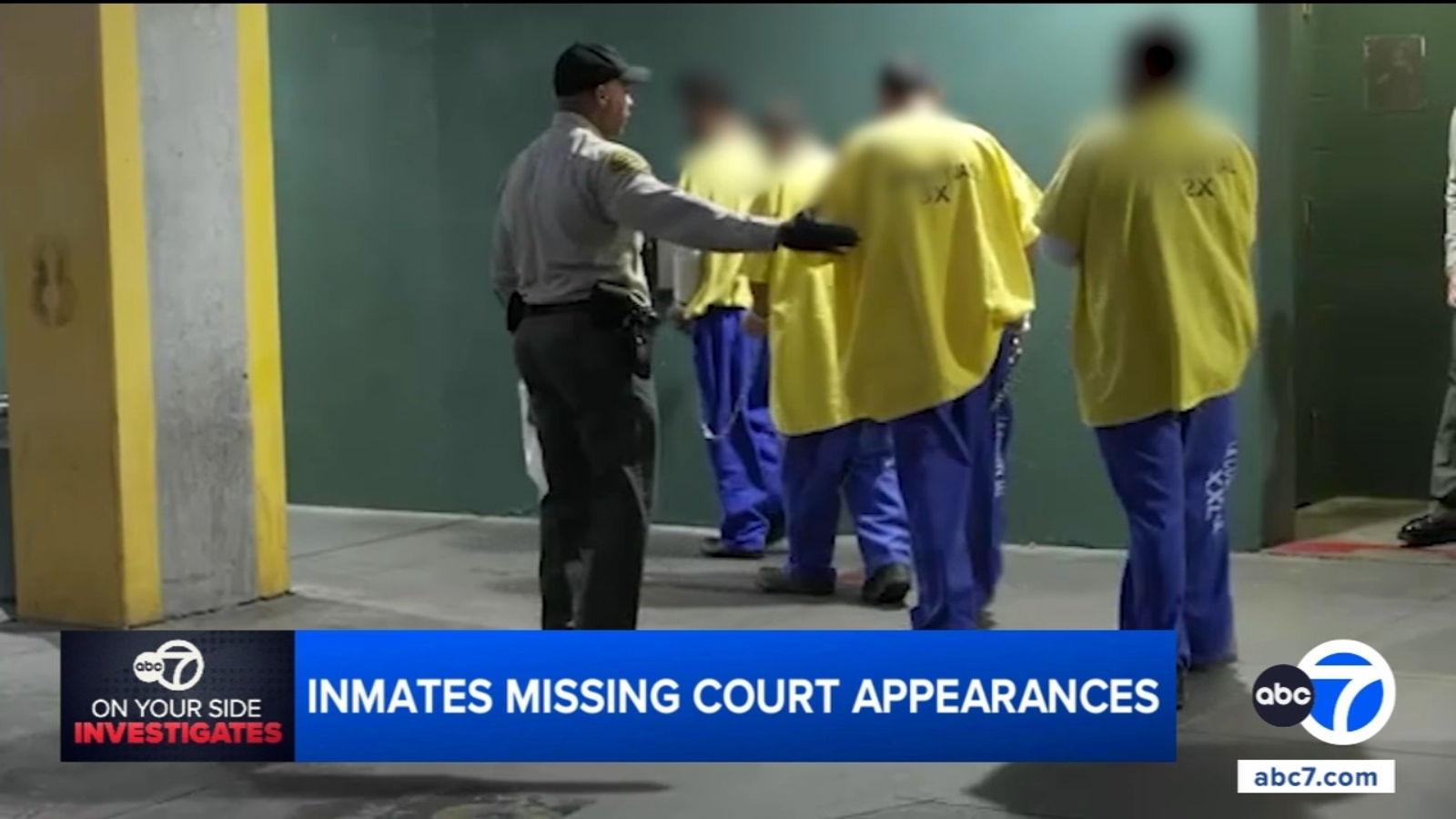
Los Angeles County’s ambitious plans to modernize its court system and expedite case resolution are facing a significant hurdle: a chronic shortage of vehicles to transport inmates to and from court appearances. The logistical challenge of moving approximately 2,000 individuals daily to 37 courthouses and seven custody facilities is being exacerbated by a dwindling and aging bus fleet, leading to missed court dates and mounting delays. This issue is not merely an inconvenience; it undermines the fundamental principle of due process and contributes to overcrowding within the county’s jail system.
The problem, as highlighted by legal professionals and officials, stems from years of deferred maintenance and a lack of proactive investment in the Sheriff’s Department’s transportation infrastructure. While the county has recently approved funding for new buses, the timeline for full fleet restoration stretches out to 2029, leaving the court system to contend with ongoing disruptions. The consequences are felt across the board, impacting public defenders, private attorneys, and the accused, many of whom remain incarcerated longer than necessary while awaiting trial.
A Fleet in Disrepair and a Growing Backlog
The current situation is a stark contrast to the operational needs of the Los Angeles County Sheriff’s Department. Sheriff Robert Luna, who took office in December 2022, inherited a transportation fleet that had dwindled to approximately 16 working buses, far short of the estimated 80 needed to meet daily demands. This decline, according to Luna, was a result of insufficient long-term planning and a failure to establish a consistent replacement schedule for aging vehicles. The daily routine for many inmates involves early morning departures from facilities like Pitchess Detention Center, followed by transfers at the Inmate Reception Center in downtown Los Angeles, before finally being transported to various courts throughout the county.
The impact of the bus shortage is readily apparent in the increasing number of missed court dates. Karl Fenske, the Public Defender Union Steward of Local 148, described the situation as “just a disaster.” Data obtained by ABC7 from one public defender’s caseload revealed alarming rates of non-appearance: over a five-day period, inmates missed court on 27 of 42 occasions, 16 of 31, 27 of 47, 12 of 30, and 28 of 45 separate cases. Other defense attorneys have reported similar trends countywide. Lou Shapiro, a private defense attorney, stated he had “never ever seen defendants not making it to court on this volume for excuses that just don’t add up.”
Recent Investments and a Long Road to Recovery
Recognizing the severity of the problem, the Los Angeles County Board of Supervisors approved the purchase of 20 new buses in September 2023. An additional 14 buses were approved by the County Department of Justice in February 2024. However, the process of rebuilding the fleet is complicated by the fact that older buses are often removed from service as new ones are delivered, creating a cyclical challenge. Even with these recent investments, It’s projected that it will seize until 2029 to reach a fleet of 73 buses, leaving the court system vulnerable to continued disruptions for the foreseeable future.
The bus shortage isn’t the sole cause of missed court appearances. Some inmates reportedly refuse to exit their cells, prompting deputies to record these interactions and submit them to the court. Sheriff Luna is also exploring technological solutions, such as remote court appearances, to streamline the process and reduce the reliance on physical transportation. The underlying principle, as Luna emphasized, is to ensure that individuals are not held in jail any longer than necessary. “When somebody shouldn’t be there, they shouldn’t be there,” he said. “And if we can release them…we wish to get people out as quickly as possible.”
The Human Cost of Delays and the Broader Implications
The consequences of these delays extend beyond logistical inconveniences. Fenske highlighted the inherent risks associated with prolonged incarceration, stating, “The jail is not a place that’s safe for anybody. Every day that somebody’s still there is another day that something bad could happen for our clients, for people that don’t really have huge cases. They just don’t have the ability to get out.” The backlog in court appearances also exacerbates an already overwhelmed system, compounding existing challenges and potentially infringing on the rights of the accused.
The situation underscores a broader issue within the Los Angeles County criminal justice system: the need for sustained investment in infrastructure and technology. While the recent bus purchases represent a positive step, a comprehensive and long-term strategy is required to address the root causes of the transportation crisis and ensure the efficient and equitable administration of justice. This includes not only replacing aging vehicles but also exploring alternative transportation solutions, optimizing scheduling procedures, and expanding the use of remote court appearances.
Looking Ahead: Technological Solutions and Continued Investment
Sheriff Luna’s commitment to technological advancements offers a potential pathway toward mitigating the impact of the bus shortage. Remote court appearances, while not a panacea, can significantly reduce the demand for transportation and streamline the court process. However, the successful implementation of these technologies requires adequate funding, training, and infrastructure support. Addressing the underlying issues of fleet maintenance and replacement remains paramount.
The Los Angeles County court system is at a critical juncture. The ongoing transportation crisis threatens to undermine its ability to deliver timely and fair justice. Continued investment in both infrastructure and technology, coupled with a commitment to long-term planning, will be essential to overcome these challenges and ensure that the county’s courts can effectively serve the needs of its citizens. The next major checkpoint will be the delivery of the newly approved buses, with the first expected to arrive in late 2026, according to the Sheriff’s Department.
What are your thoughts on the challenges facing the Los Angeles County court system? Share your comments below, and please share this article with your network to raise awareness of this critical issue.
Worth a look