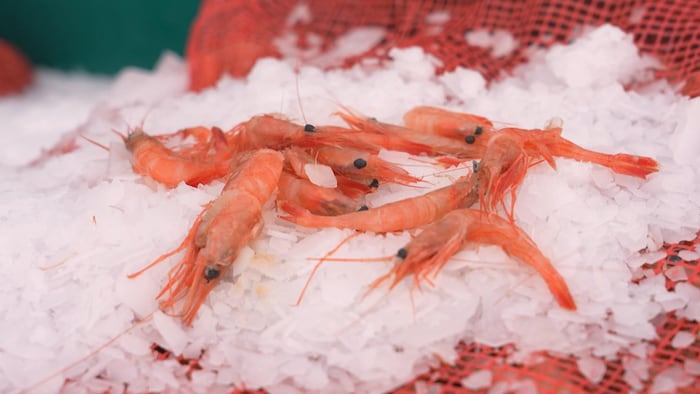
The bloody red shrimp (*Hemimysis anomala*), an invasive crustacean species, has established populations across the Great Lakes, raising ongoing concerns regarding its impact on native aquatic ecosystems. First identified in the Great Lakes basin in 2006 near Muskegon, Michigan, in Lake Michigan, the species has since spread across the interconnected waterways, including documented sightings in Lake Superior. As an invasive invertebrate, its presence is monitored by environmental agencies to understand how it competes with native fish populations for food resources.
According to the Great Lakes Commission, *Hemimysis anomala* is a small, swarm-forming crustacean native to the Ponto-Caspian region, which includes the Black, Caspian, and Azov seas. Its introduction to North American waters is widely attributed to the discharge of ballast water from transoceanic shipping vessels. Once introduced, the species demonstrated a rapid ability to colonize diverse habitats, ranging from rocky shorelines to deeper, open-water environments.
Understanding the Impact of the Bloody Red Shrimp
The primary ecological concern regarding the bloody red shrimp is its diet and potential to disrupt the existing food web. Unlike many native zooplankton, *Hemimysis anomala* is an omnivorous predator that feeds on smaller zooplankton, algae, and detritus. Researchers at the National Oceanic and Atmospheric Administration (NOAA) Great Lakes Environmental Research Laboratory note that because this shrimp forms dense swarms, it can consume significant amounts of microscopic organisms that would otherwise support larval fish and other native species.
The species is particularly adept at utilizing crevices in rock walls and riprap to hide during daylight hours, emerging to feed at night. This behavior makes detection and population estimation challenging for field researchers. In Lake Superior, where the cold, oligotrophic (nutrient-poor) conditions differ from the warmer southern lakes, the establishment of the shrimp has been tracked as part of broader invasive species surveillance programs led by state and provincial natural resource departments.
Monitoring and Detection Across the Great Lakes
Since its initial 2006 detection, the spread of the bloody red shrimp has been documented through various monitoring efforts, including the use of specialized traps and environmental DNA (eDNA) sampling. The U.S. Fish and Wildlife Service maintains data on the distribution of aquatic invasive species, providing updates for stakeholders and the public regarding new sightings in previously unaffected areas. Monitoring in Lake Superior remains critical, as the lake serves as a vast, relatively pristine habitat compared to the more heavily industrialized basins of Lake Erie or Lake Michigan.
Management strategies focus largely on prevention, particularly through the regulation of ballast water management. The Vessel Incidental Discharge Act, enacted to streamline federal requirements for commercial vessels, includes provisions aimed at minimizing the risk of introducing new organisms into the Great Lakes system. While eradication of an established population like the bloody red shrimp is considered logistically impossible with current technology, the focus remains on mitigating further spread and understanding the long-term shifts in biodiversity caused by their presence.
Future Research and Official Updates
The scientific community continues to study the interaction between *Hemimysis anomala* and native Great Lakes species. Ongoing research seeks to clarify whether the shrimp’s presence leads to a direct decline in the recruitment of native fish or if the ecosystem is adapting to the new arrival. For residents, anglers, and boaters, the most effective way to prevent the human-assisted spread of invasive species is to follow standard “Clean, Drain, Dry” protocols for all watercraft and gear.
Official updates regarding invasive species monitoring in the region are periodically released by the Great Lakes Fishery Commission and regional environmental agencies. Interested parties can track progress through the National Invasive Species Information Center, which provides current status reports and management guidance. As surveillance continues, researchers expect to gain further clarity on the stability of these populations and their ultimate role in the future of the Great Lakes ecosystem.