
The Iranian delegation participating in high-level diplomatic discussions in Switzerland suspended its involvement on Monday following a social media statement from U.S. President Donald Trump that Tehran officials characterized as “insulting.” While the delegation departed the venue, Iranian representatives stated they remain committed to the ongoing negotiation framework, despite the heightened tensions triggered by the rhetoric.
This diplomatic impasse occurs amid broader regional instability, prompting concerns regarding the potential impact on global markets. Investors are closely monitoring the situation, particularly in the energy and cryptocurrency sectors, as geopolitical volatility often leads to increased price fluctuations in these sensitive assets. According to data tracked by Reuters, market participants are bracing for potential volatility when trading resumes, citing the unpredictability of the current U.S.-Iran diplomatic corridor.
Diplomatic Friction and the Iranian Response
The core of the current disruption stems from a post issued by President Donald Trump, which the Iranian Foreign Ministry described as a “menacing” and “insulting” message. The Iranian delegation, which had gathered in Switzerland to address regional security and economic cooperation, opted to withdraw from the formal meeting room immediately following the publication of the statement. This move is intended to signal Tehran’s refusal to engage under conditions perceived as coercive or disrespectful, according to official statements relayed by The Associated Press.
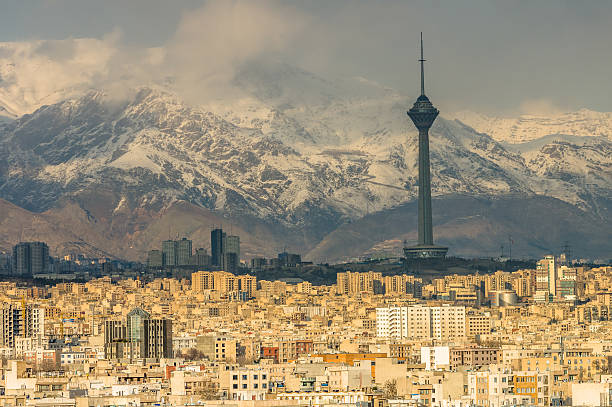
Despite the withdrawal from the immediate session, Iranian officials emphasized that their commitment to the diplomatic process remains intact. The delegation clarified that their exit was a temporary measure intended to prompt a recalibration of tone from Washington. Tehran has publicly called on the United States to “weigh their words” more carefully, arguing that inflammatory rhetoric undermines the possibility of achieving a stable resolution to the ongoing issues in the Middle East.
Market Volatility and Economic Implications
Global financial markets are reacting to the uncertainty surrounding these talks. Crude oil prices, which are highly sensitive to geopolitical developments in the Middle East, have shown signs of instability. Analysts at The Financial Times note that any disruption in diplomatic progress between the U.S. and Iran often serves as a catalyst for risk-off sentiment, leading to immediate spikes in oil futures as traders account for potential supply chain disruptions.
Similarly, the cryptocurrency market, specifically Bitcoin, has experienced increased volatility in response to the news. As a “risk-on” asset, Bitcoin often mirrors the broader market’s reaction to geopolitical stress. While the long-term impact of the suspended talks remains unclear, historical data suggests that market participants typically retreat into safe-haven assets when diplomatic channels appear to break down. The current state of the markets is characterized by a “wait-and-see” approach, with institutional investors awaiting clearer signals from either the U.S. State Department or the Iranian government regarding the resumption of face-to-face negotiations.
Contextualizing the Current Standoff
This incident is the latest in a series of complex interactions between the two nations. The current negotiations in Switzerland were designed to address long-standing disagreements regarding regional influence and economic sanctions. According to records from the United Nations, diplomatic engagement between these two powers has historically been fragile, often susceptible to public messaging that shifts the focus from technical negotiations to political posturing.
The decision by the Iranian delegation to physically leave the location of the talks is a tactical move, rather than a definitive end to the diplomatic process. By departing, Iran is attempting to shift the diplomatic leverage, forcing a public acknowledgment of the grievances caused by the U.S. President’s remarks. This strategy is consistent with previous Iranian diplomatic maneuvers, where the suspension of talks is used as a tool to demand more favorable conditions or a change in communication style from international counterparts.
What Happens Next
The immediate outlook for the negotiations depends on a potential de-escalation of rhetoric from both sides. There has been no official announcement regarding a new time or date for the resumption of the talks in Switzerland. Observers are currently looking for a statement from either the White House or the Iranian Foreign Ministry that would indicate a return to the negotiating table.
For market participants, the next major checkpoint will be the opening of the Asian and European trading sessions, which will provide the first real-time indication of how global investors are pricing the risk of a prolonged diplomatic impasse. Those following this story should look for updates from official government channels and verified international wire services to distinguish between market speculation and confirmed diplomatic developments.
Readers are encouraged to monitor this space for further updates as they become available. We invite you to share your analysis or questions regarding the economic implications of this standoff in the comments section below.