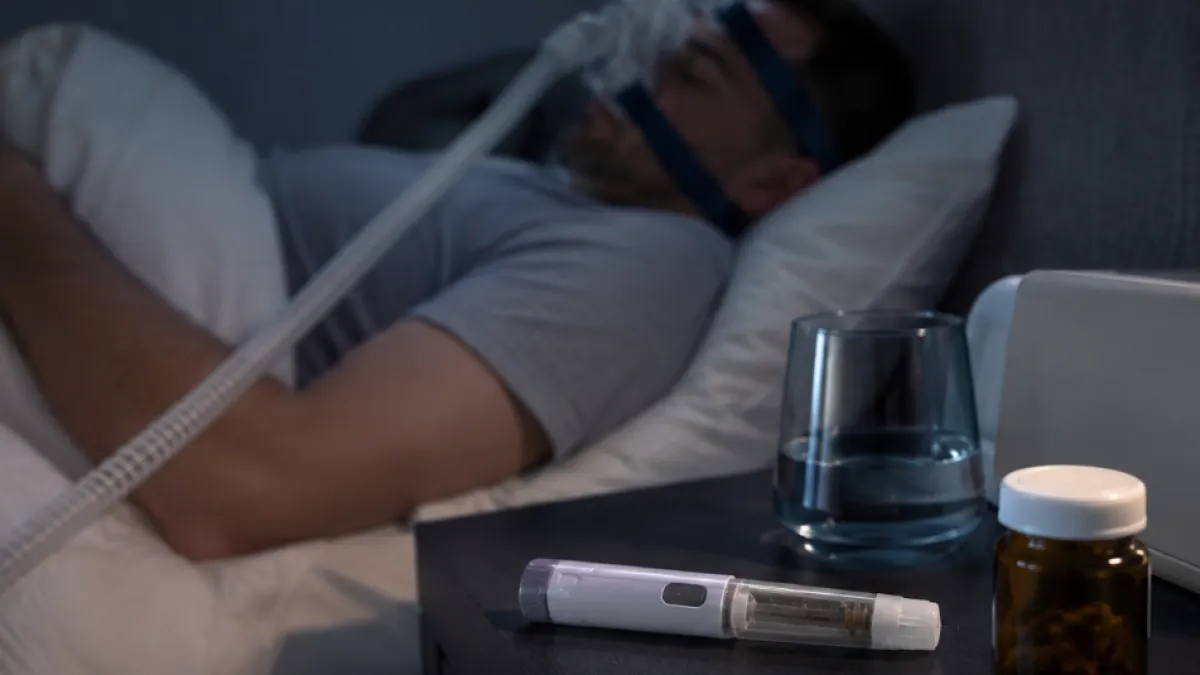
Recent clinical trials have identified that tirzepatide, a dual-action molecule primarily used for weight management and type 2 diabetes, significantly reduces the severity of obstructive sleep apnea (OSA) in adults with obesity. Published findings in the New England Journal of Medicine indicate that participants treated with the medication experienced a substantial decrease in the number of apnea events per hour compared to those receiving a placebo, offering a potential new pharmacological pathway for a condition traditionally managed through mechanical devices.
Obstructive sleep apnea occurs when throat muscles intermittently relax and block the airway during sleep, leading to fragmented rest and increased cardiovascular risk. While continuous positive airway pressure (CPAP) therapy remains the clinical gold standard, adherence rates are frequently limited by patient discomfort. The emergence of pharmacotherapy targeting both metabolic health and respiratory function represents a shift in how clinicians approach the intersection of obesity and sleep-related breathing disorders, according to research led by the SURMOUNT-OSA trial investigators.
Clinical Evidence for Tirzepatide in Sleep Apnea Treatment
The clinical evaluation of tirzepatide for sleep apnea was conducted through two randomized, double-blind, placebo-controlled trials, commonly referred to as the SURMOUNT-OSA studies. Researchers enrolled participants with moderate-to-severe obstructive sleep apnea and obesity, measuring the primary endpoint as the change in the apnea-hypopnea index (AHI)—the number of times breathing stops or slows significantly per hour of sleep. By the end of the 52-week study period, patients receiving the medication showed an average reduction in AHI of approximately 27 to 30 events per hour, significantly outperforming the placebo groups.

The study, which appeared in the New England Journal of Medicine in June 2024, highlighted that the reduction in sleep apnea severity correlated strongly with the weight loss achieved by the participants. Tirzepatide functions as a dual agonist of the glucose-dependent insulinotropic polypeptide (GIP) and glucagon-like peptide-1 (GLP-1) receptors. By influencing these pathways, the molecule increases satiety and improves glycemic control, which in turn reduces the adipose tissue around the neck and upper airway that contributes to mechanical airway obstruction during sleep.
Comparing Therapeutic Approaches to OSA
Historically, the management of obstructive sleep apnea has relied heavily on lifestyle modifications and mechanical interventions. The standard of care, CPAP therapy, requires patients to wear a pressurized mask throughout the night to keep the airway open. While highly effective when used consistently, data from the National Center for Biotechnology Information suggests that long-term adherence to CPAP can be challenging for many patients, with estimates of non-compliance ranging from 29% to 83% depending on the study parameters and definitions of use.
The introduction of tirzepatide as a pharmacological option does not necessarily replace CPAP but rather provides an alternative or adjunct treatment for a specific patient subset—those whose sleep apnea is comorbid with obesity. Unlike mechanical devices, which treat the symptom of airway collapse, the medication addresses one of the primary underlying drivers of the condition: excessive body mass. However, clinicians caution that pharmacotherapy requires long-term commitment and is subject to potential gastrointestinal side effects, which were the most commonly reported adverse events in the clinical trials.
Safety Profiles and Regulatory Considerations
The safety profile of tirzepatide in the context of the SURMOUNT-OSA trials was consistent with existing data regarding GLP-1 and GIP receptor agonists. Participants reported mild-to-moderate gastrointestinal issues, including nausea, diarrhea, and vomiting, particularly during the initial dose-escalation phase. Because the medication is a systemic treatment, it carries different considerations than localized mechanical therapy, requiring ongoing monitoring by a healthcare provider to manage metabolic markers and potential side effects.
As of late 2024, regulatory bodies continue to evaluate the expanded use of such molecules. While the FDA has approved tirzepatide for the treatment of type 2 diabetes and chronic weight management under the brand names Mounjaro and Zepbound, respectively, the application for a specific indication regarding obstructive sleep apnea remains a subject of ongoing clinical and regulatory discourse. Patients are advised to consult with sleep specialists or endocrinologists to determine if such treatment is appropriate based on their individual health history and the severity of their sleep disturbances.
Future Directions in Sleep Medicine
The success of these trials opens a new chapter in the treatment of sleep-disordered breathing. Researchers are now looking into the long-term cardiovascular outcomes of patients who achieve apnea reduction through weight loss-focused pharmacotherapy. The goal is to determine if the reduction in AHI translates into a measurable decrease in the risk of hypertension, stroke, and heart failure—conditions frequently linked to untreated obstructive sleep apnea.
For patients currently struggling with CPAP intolerance, these findings provide a basis for discussion with their primary care physicians. As more data emerges from ongoing long-term studies, the medical community expects to refine the criteria for which patients are most likely to benefit from this dual-action approach. Updates on official clinical guidelines regarding pharmacotherapy for sleep apnea are expected to follow as further peer-reviewed evidence is published in major medical journals.
If you have questions about your sleep health or current treatment plan, consult a board-certified sleep specialist. We welcome your thoughts on these developments in the comments section below.
Related reading