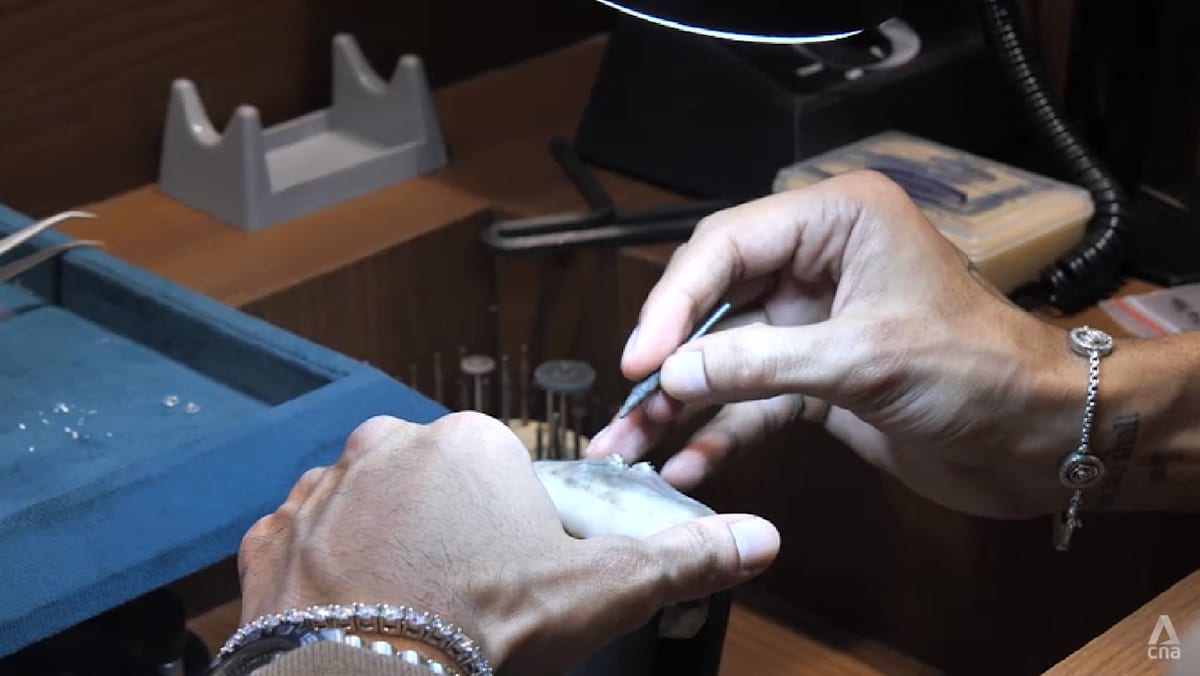
India‘s Ascent in the Lab-Grown Diamond Industry: A Complete Analysis
India’s dominance in the global diamond industry is undergoing a notable transformation.Currently cutting and polishing a staggering 90% of the world’s diamonds – both natural and lab-grown diamonds – the nation is strategically positioning itself to lead the burgeoning synthetic gem market. This isn’t merely about replicating existing processes; it’s a calculated move to ascend the value chain, fueled by technological advancements, government support, and a unique integration of skills.But will traditional perceptions of diamond value hinder this progress? This article delves into the intricacies of India’s strategy, the challenges it faces, and the future of the industry.
The Current Landscape: India’s Diamond Hub
For decades, India, notably Surat in Gujarat – ofen dubbed the “Diamond city” – has been the world’s primary diamond processing center. This expertise in cutting and polishing has provided a strong foundation for embracing synthetic diamonds, also known as lab-created diamonds.The co-existence of natural and lab-grown diamond processing within the same facilities offers significant logistical and cost advantages.
Did You Know?
The lab-grown diamond market is experiencing exponential growth. According to a recent report by Bain & company (December 2023), the lab-grown diamond market reached $8.2 billion in 2023 and is projected to reach $12-15 billion by 2025.
Chemical vapor Deposition (CVD): The Engine of growth
The key to india’s ambition lies in mastering chemical Vapor Deposition (CVD) technology. CVD is a elegant process where diamonds are grown atom by atom in a controlled laboratory habitat, using a carbon-rich gas mixture. This method produces diamonds wiht virtually identical physical, chemical, and optical properties to mined diamonds.
Pro Tip:
Understanding the ‘4Cs’ (Cut,Clarity,Carat,and color) is crucial when evaluating both natural and lab-grown diamonds. While the origin differs, the grading standards remain consistent.
Here’s a breakdown of the CVD process:
- Seed Crystal Preparation: A small diamond seed crystal is placed in a vacuum chamber.
- Gas Introduction: Gases like methane and hydrogen are introduced into the chamber.
- Plasma Activation: Microwave energy creates a plasma,breaking down the gas molecules.
- carbon Deposition: Carbon atoms deposit onto the seed crystal, gradually building a larger diamond.
- Cooling & Processing: The diamond is cooled and then cut, polished, and graded.
This process is considered more environmentally pleasant than traditional diamond mining, a growing concern for ethically conscious consumers. LSI keywords like diamond synthesis,carbon deposition,and high-pressure/high-temperature (HPHT) (another diamond growth method) are important to understand the broader context.
Government Initiatives and Investment
The Indian government recognizes the potential of the lab-grown diamond sector and is actively promoting its growth. Key initiatives include:
* Reduced Import Duties: Lowering import duties on raw materials and machinery used in CVD production.
* research & Growth Funding: Increased investment in R&D to improve CVD technology and reduce production costs.
* Export Promotion: Incentives to encourage the export of lab-grown diamonds and jewelry.
* Establishment of Diamond Parks: Creating dedicated zones for diamond manufacturing, fostering collaboration and innovation.
These policies aim to position India as a “one-stop shop” for the entire lab-grown diamond value chain – from growth to cutting, polishing, and jewelry manufacturing.
Navigating the Value Chain: Integration is Key
Olya Linde of Bain & company highlights the importance of integration. India’s existing strength in cutting and polishing provides a significant advantage. By controlling the entire process – from growing the stones to selling finished jewelry - India can maximize its profits and establish a dominant market position. This contrasts with other countries that may only specialize in one aspect of the diamond industry. The concept of vertical integration is central to this strategy.
Natural vs. Lab-Grown diamonds: A Quick Comparison
| Feature | Natural Diamond | Lab-Grown Diamond |
|---|---|---|
| Origin | Mined from
Worth a look |