The Future of Computing? First Data Center Partially Powered by Human Brain Cells Goes Live
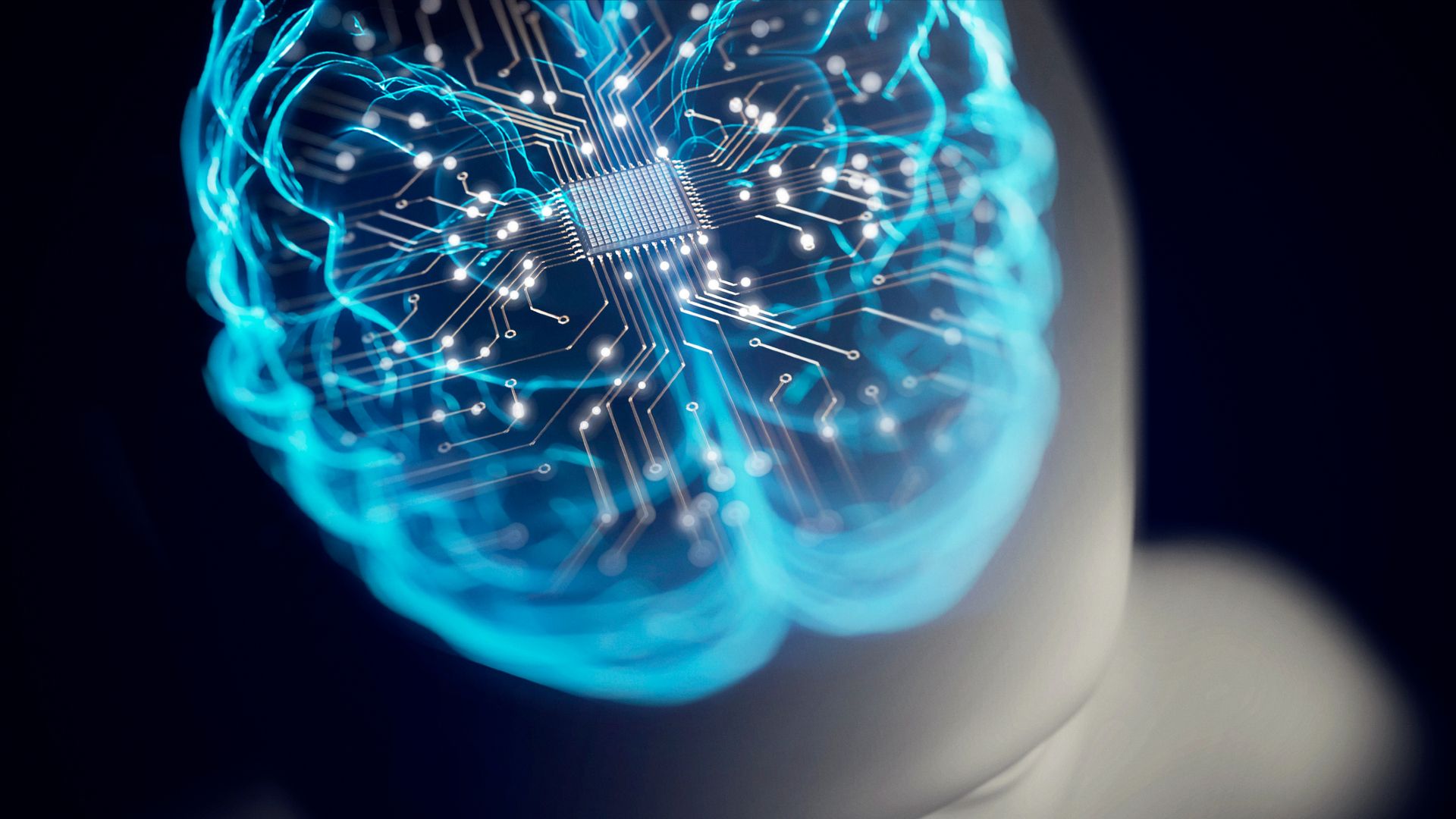
Melbourne, Australia — In a world-first experiment that blurs the line between biology and technology, an Australian startup has launched what it calls a “biological data center,” integrating lab-grown human neurons with traditional computing hardware. The facility, operated by Cortical Labs, marks the first time living human brain cells have been used to partially power a data center, raising profound questions about energy efficiency, ethical boundaries, and the future of artificial intelligence.
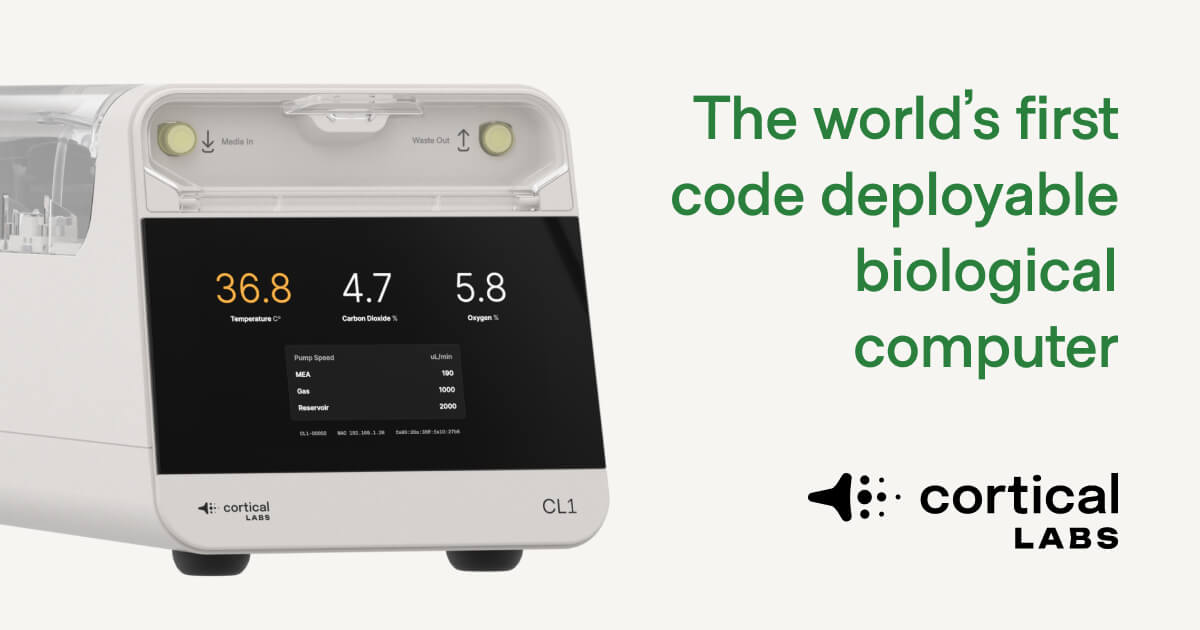
At the heart of this innovation is the company’s CL1 system, which combines approximately 800,000 lab-grown neurons with standard electronic components. Unlike conventional silicon-based servers, these neurons are not programmed with fixed instructions. Instead, they learn and adapt through electrical feedback, mimicking the way human brains process information. The goal is not to replace traditional computing but to explore whether biological systems can complement existing hardware in specific tasks—particularly those requiring adaptive learning and energy efficiency.
Dr. Brett Kagan, Chief Scientific Officer of Cortical Labs, has been at the forefront of this research. In an interview with Compelling Engineering, Kagan described the journey from academic neuroscience to building a biological-silicon interface capable of playing simplified versions of games like Pong and Doom. “Neurons are already information processors,” Kagan explained. “They pass electrical signals between each other, forming patterns that change over time. Traditional chips don’t behave like that—they follow set instructions instead of adjusting based on feedback.”
How It Works: From Stem Cells to “Wetware”
The process begins with stem cells derived from human skin or blood samples, which are reprogrammed into neurons in a laboratory setting. These neurons are then cultured on specialized chips and connected to electrodes, creating what researchers call “wetware”—a term that underscores the fusion of biological and electronic systems. Over time, the neurons form clusters known as organoids, which can be trained to perform computational tasks through a closed feedback loop.
In earlier experiments published in the journal Neuron, Cortical Labs demonstrated that these neuron clusters could learn to play Pong. The system worked by providing the neurons with a simulated environment: when they produced useful behavior, the inputs became more predictable; when they failed, the signals grew chaotic. Through this process, the neurons gradually settled into more stable patterns, effectively “learning” the game. This same principle now underpins the company’s larger-scale experiments in data centers.
The Melbourne facility is just the beginning. Cortical Labs has announced plans to open a larger site in Singapore, where it will further test the scalability of its biological computing systems. The company’s vision is not to replace silicon-based servers entirely but to create hybrid systems where living neurons handle specific tasks—such as pattern recognition or adaptive decision-making—while traditional hardware manages the rest.
Energy Efficiency: A Game-Changer for Data Centers?
One of the most compelling arguments for biological computing is its potential to dramatically reduce energy consumption. Traditional data centers are notorious for their massive power demands, with some estimates suggesting they account for up to 1.5% of global electricity use. In contrast, the human brain operates on roughly 20 watts of power—about the same as a dim light bulb—while performing complex cognitive tasks.

Cortical Labs’ CL1 system is designed to leverage this efficiency. According to the company, the CL1 consumes a fraction of the energy required by conventional data centers. Each unit, which costs approximately $35,000, includes a custom life-support system to maintain the neurons, but the overall energy savings could be substantial if the technology scales successfully. Early adopters of the CL1 range from pharmaceutical researchers to finance professionals and AI scientists, all of whom are exploring whether biological systems can outperform machine learning in specific applications.
Dr. Fred Jordan, co-founder of FinalSpark, a Swiss lab working on similar technology, described the potential energy savings as “transformative.” In an interview with the BBC, Jordan noted that biological systems could replicate aspects of how AI learns while using far less power. “We’re not talking about replacing silicon,” he said. “We’re talking about augmenting it with something that already exists in nature and is incredibly efficient.”
Ethical and Practical Challenges
Despite the excitement, the integration of human neurons into computing systems raises significant ethical questions. For instance, the stem cells used in these experiments are typically derived from anonymous donors, but the idea of using living human brain cells—even lab-grown ones—as computational tools is likely to provoke debate. Cortical Labs and FinalSpark both emphasize that their operate adheres to strict ethical guidelines, with stem cells sourced only from official suppliers to ensure quality and traceability.
Another challenge is the longevity and reliability of biological systems. Neurons, unlike silicon chips, are living cells that require careful maintenance. They can degrade, die, or behave unpredictably, which could pose risks for applications requiring consistent performance. Cortical Labs has addressed this by developing a life-support system for its CL1 units, but the long-term viability of biological computing remains an open question.
Notice also broader philosophical implications. As Dr. Jordan put it, “When you start to say, ‘I’m going to use a neuron like a little machine,’ it’s a different view of our own brain, and it makes you question what we are.” The idea of “wetware” challenges traditional notions of computing, intelligence, and even what it means to be human.
What’s Next for Biological Computing?
The launch of Cortical Labs’ Melbourne facility is just the first step in a long journey. The company’s upcoming site in Singapore will serve as a testing ground for larger-scale applications, and researchers around the world are watching closely. If successful, biological computing could revolutionize industries ranging from healthcare—where it might accelerate drug discovery—to finance, where adaptive learning could improve predictive modeling.
However, the technology is still in its infancy. While the early results are promising, it remains to be seen whether biological systems can match the speed, reliability, and scalability of traditional computing. For now, the focus is on hybrid systems, where neurons and silicon work in tandem to leverage the strengths of both.
As this field evolves, it will also require robust regulatory frameworks to address ethical concerns, data security, and the potential risks of integrating biological materials into critical infrastructure. Governments, researchers, and industry leaders will need to collaborate to ensure that the development of biological computing is both responsible and beneficial.
Key Takeaways
- First-of-its-kind facility: Cortical Labs has launched the world’s first data center partially powered by lab-grown human neurons, located in Melbourne, Australia.
- Energy efficiency: Biological systems could consume far less power than traditional data centers, which currently account for up to 1.5% of global electricity use.
- Hybrid approach: The goal is not to replace silicon-based computing but to create hybrid systems where neurons handle adaptive tasks while traditional hardware manages the rest.
- Ethical questions: The use of human neurons in computing raises ethical concerns, including the sourcing of stem cells and the philosophical implications of treating living cells as machines.
- Early adopters: Industries ranging from pharmaceuticals to finance are exploring the potential of biological computing for tasks like drug discovery and predictive modeling.
- Future plans: Cortical Labs is expanding to Singapore, where it will test the scalability of its technology in a larger facility.
FAQ
Q: Are these neurons taken from living humans?
A: No. The neurons are lab-grown from stem cells derived from human skin or blood samples, typically sourced from anonymous donors through official suppliers.
Q: Can biological computers replace traditional data centers?
A: Not in the near future. The current focus is on hybrid systems where biological and silicon-based components work together. Biological systems are not yet as fast or reliable as traditional computing for most tasks.
Q: How do neurons “learn” in these systems?
A: Neurons are trained through a feedback loop. When they produce useful behavior—such as successfully playing Pong—the inputs become more predictable. When they fail, the signals grow chaotic, encouraging the neurons to adapt and improve.
Q: What are the energy savings of biological computing?
A: While exact figures vary, the human brain operates on roughly 20 watts of power, compared to the megawatts consumed by large data centers. Cortical Labs claims its CL1 system uses a fraction of the energy of traditional servers.
Q: What are the ethical concerns?
A: Key concerns include the sourcing of stem cells, the treatment of living neurons as computational tools, and the potential for unintended consequences as the technology scales. Researchers emphasize the need for strict ethical guidelines and regulatory oversight.
The Road Ahead
The next milestone for Cortical Labs will be the opening of its Singapore facility, where the company plans to test the scalability and real-world applications of its biological computing systems. As the technology develops, it will be crucial to monitor not only its technical progress but also the ethical and regulatory frameworks that emerge to govern it.
For now, the integration of human neurons into data centers remains a bold experiment—one that could redefine the boundaries of computing, energy efficiency, and even our understanding of intelligence. As Dr. Kagan noted, “This might be the start of a new computing paradigm.”
What do you consider about the idea of biological computing? Could this be the future of data centers, or are there risks we haven’t fully considered? Share your thoughts in the comments below, and don’t forget to follow World Today Journal for the latest updates on this groundbreaking technology.
Worth a look