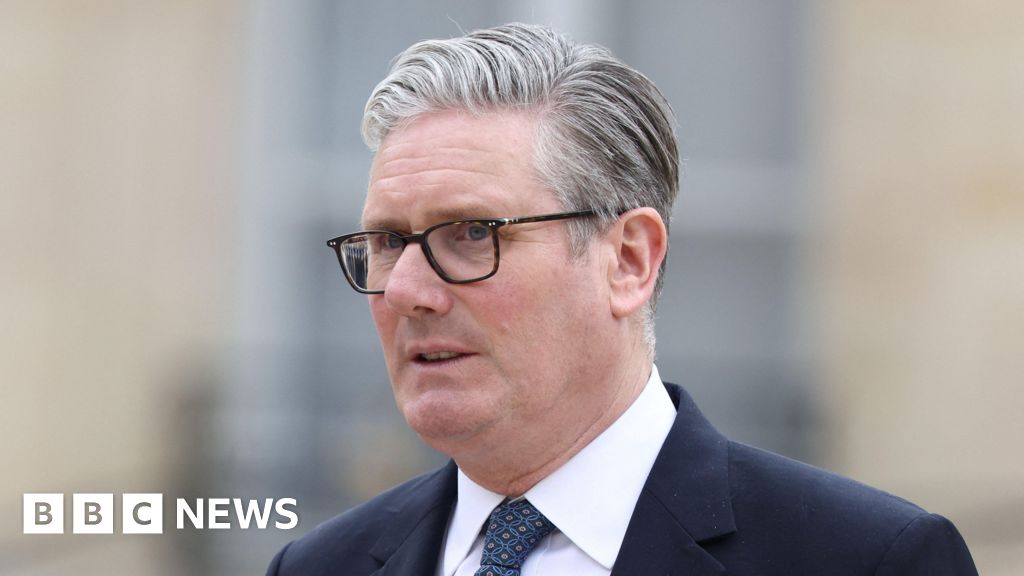
Sir Keir Starmer has publicly asserted that a majority of Labour MPs continue to support his leadership, countering recent speculation about growing dissent within the party’s parliamentary ranks. The Labour leader made the remarks amid ongoing discussions about the direction of the party and internal concerns over policy direction and electoral strategy. His comments come as MPs return from parliamentary recesses and ahead of key local elections later this year, where Labour’s performance will be closely watched as a barometer of public sentiment.
Starmer’s statement was delivered during a closed-door meeting of the Parliamentary Labour Party (PLP), according to reports from multiple political correspondents present at the session. While the exact wording varied slightly across accounts, the core message—that he retains the confidence of most Labour MPs—was consistent. The meeting, held at Portcullis House in Westminster, focused on rebuilding unity following a period of heightened scrutiny over Labour’s handling of several policy issues, including welfare reform and its stance on international conflicts.
The Labour leader’s intervention follows days of media coverage highlighting unease among some backbenchers and frontbench figures regarding his approach to leadership. Reports have indicated that concerns have been raised in private about the pace of policy announcements, the party’s communication strategy and perceptions of electoral vulnerability in key battleground constituencies. However, no formal challenge to his leadership has been tabled, and no MP has publicly called for a vote of no confidence.
According to verified reports from the BBC, Starmer told colleagues that he remains firmly in control of the party’s parliamentary support base, emphasizing that internal disagreements do not equate to a loss of confidence. The broadcaster noted that while dissatisfaction exists in certain quarters, there is no organized movement seeking to replace him at this stage. Labour MPs are understood to have expressed a range of views during the meeting, but the prevailing sentiment, as described by attendees, was one of cautious support rather than open rebellion.
The Independent also reported that Starmer used the opportunity to reaffirm his commitment to the party’s long-term goals, including economic renewal, public service investment, and restoring trust in politics. He reportedly urged colleagues to focus on defeating the Conservative Party at the next general election rather than engaging in internal divisions. Sources close to the leadership said the tone of the meeting was constructive, with an emphasis on moving forward collectively.
Despite the reassurances, questions persist about the durability of Starmer’s position, particularly if Labour underperforms in upcoming local and mayoral elections. Political analysts have noted that while leadership challenges are rare in modern British politics unless triggered by electoral defeat, sustained poor results could shift the calculus among MPs. To date, however, no threshold has been met that would trigger a formal leadership contest under Labour Party rules.
Under the current Labour Party constitution, a leadership challenge can only be initiated if at least 15% of MPs nominate a challenger—a threshold that has not been approached in recent months. Any such move would require a formal nomination process followed by a vote among all party members and affiliated trade unions. As of now, no MP has met the threshold to launch such a challenge, and no potential rival has declared an intention to run.
Ed Miliband, the former Labour leader and current Secretary of State for Energy Security and Net Zero, has been mentioned in some commentary as a possible future contender, though he has repeatedly stated his loyalty to Starmer and his focus on delivering the government’s climate agenda. Miliband has not engaged in any public or private activity suggesting a leadership bid, and Downing Street sources have dismissed such speculation as unfounded.
The broader context includes Labour’s time in government since the 2024 general election, during which the party has faced pressure to deliver on promises related to economic growth, NHS waiting times, and housing supply. While Starmer has maintained relatively strong personal approval ratings in national polls, Labour’s lead over the Conservatives has narrowed in some surveys, prompting internal reflection on messaging and policy prioritization.
Supporters of the leader argue that his steady, institution-focused approach is necessary to rebuild trust after years of political volatility and that premature leadership turmoil would only benefit the opposition. They point to Labour’s success in winning key by-elections and maintaining control in several local councils as evidence of underlying strength. Critics, however, contend that the party needs a more dynamic and visionary presence to energize voters and clearly differentiate itself from the government’s predecessors.
For now, the Parliamentary Labour Party remains united in public, with no signs of an imminent leadership contest. Starmer’s insistence on majority backing reflects an effort to quell rumors and reassert authority ahead of a politically significant period. The next major test will come with the May 2026 local elections, where Labour’s performance in England, Scotland, and Wales will be scrutinized for signs of voter fatigue or renewed confidence.
As the party prepares for these contests, internal discussions are expected to continue on strategy, messaging, and policy delivery. Labour MPs are anticipated to receive further briefings from the leadership on campaign priorities and target seats. Until then, the focus remains on governing effectively while maintaining parliamentary cohesion—a balance that will define Starmer’s leadership in the months ahead.
Stay informed about developments in UK politics by following trusted sources and sharing insights that contribute to constructive public discourse.