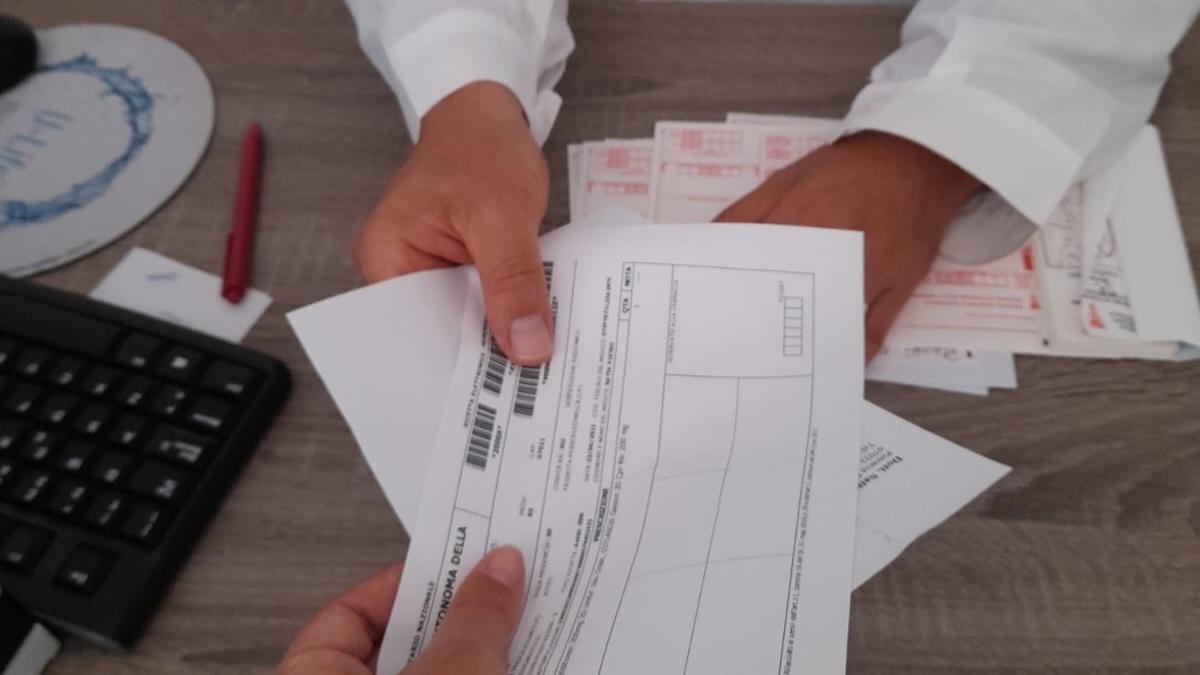
Laconi, a tiny town in the province of Oristano, Sardinia, is facing a critical healthcare crisis as residents struggle with a prolonged lack of access to primary care. For months, approximately 900 citizens have been without a family doctor, a situation described by the town’s mayor, Salvatore Argiolas, as “paradoxical and intolerable.” The ongoing absence of a general practitioner underscores broader challenges facing rural healthcare access in Italy and highlights the strain on local resources.
The current predicament stems from the extended sick exit of Dr. Elena Sergheeva, and the subsequent inability of the local health authority (ASL) to find a replacement or establish a temporary Ascot (Assistenza Sanitaria Territoriale) office due to staffing shortages. This lack of access to basic medical services is particularly concerning for vulnerable populations within Laconi, including the elderly and those with chronic health conditions. The situation is not unique to Laconi; many rural communities across Sardinia and Italy grapple with similar difficulties in attracting and retaining healthcare professionals.
The Growing Strain on Rural Healthcare in Sardinia
Sardinia, Italy’s second-largest island, has long faced challenges in providing equitable healthcare access across its diverse terrain. The island’s mountainous interior and dispersed population centers contribute to logistical difficulties and make it less attractive for doctors to establish practices. This issue is compounded by an aging population and a declining birth rate, increasing the demand for healthcare services while simultaneously reducing the number of available professionals. The lack of adequate infrastructure and investment in rural healthcare facilities further exacerbates the problem.
Mayor Argiolas has publicly voiced his frustration, emphasizing the right of Laconi’s citizens to receive the same level of healthcare as residents in more urban areas. He has called on the regional government to prioritize the provision of healthcare services in the area, stating that daily efforts are insufficient to address the growing gap in care. The mayor’s concerns reflect a broader sentiment among local officials in Sardinia, who are increasingly advocating for greater autonomy and resources to address the specific healthcare needs of their communities.
ASL Response and Ongoing Challenges
The ASL 5 of Oristano, the local health authority responsible for Laconi, acknowledges the difficulties in securing a replacement for Dr. Sergheeva. According to a report from January 30, 2026, published by Linkoristano, the ASL has been actively seeking a substitute, but has been hampered by a shortage of available personnel. The ASL has announced plans to activate an Ascot in Laconi, but this initiative is currently stalled due to the same staffing constraints. The Ascot model aims to provide a more localized and accessible healthcare service, but its implementation relies on having sufficient medical personnel available.
Despite the ongoing crisis in primary care, the ASL continues to implement other healthcare initiatives in the region. New schedules for public hygiene and health clinics in Ales and Terralba are set to seize effect in March, offering vaccination appointments and other services. In Ales, the service will be available Monday through Friday, while Terralba will operate on Tuesdays, Wednesdays, and Fridays. These changes, however, do little to address the immediate need for a family doctor in Laconi.
The Broader Context: Stray Animals and Caregiver Support
The healthcare challenges in Laconi are occurring alongside other issues demanding the attention of local authorities. Mayor Argiolas has also recently addressed a growing problem with stray cats in the town, requesting assistance from the Oristano Local Health Authority to manage the increasing population of feral felines. The mayor reported that some courtyards have as many as thirty cats, raising concerns about public health and hygiene.
a welfare initiative, “Prendersi cura di chi ha cura” (Taking Care of Those Who Care), is scheduled for February 27th at the Hospitalis Sancti Antoni in Oristano. This event, organized by LILT (Italian League for the Fight Against Cancer) in collaboration with the municipality and the Sardinia Foundation, aims to support family caregivers, recognizing their crucial role in the healthcare system. The initiative highlights the increasing importance of informal caregiving in a region facing healthcare shortages.
Potential Solutions and Future Outlook
Addressing the healthcare crisis in Laconi and similar rural communities requires a multifaceted approach. Potential solutions include incentivizing doctors to practice in underserved areas, increasing investment in rural healthcare infrastructure, and expanding the role of telehealth and mobile healthcare services. The Ascot model, if successfully implemented, could provide a more accessible and localized healthcare option, but it relies on overcoming the current staffing shortages.
One unconventional proposal, put forward by Mayor Argiolas, involves addressing the issue of an overpopulation of deer in the region by culling the excess and serving the meat in local restaurants. This suggestion, while controversial, reflects the desperation of local officials to find innovative solutions to the challenges facing their communities. It also highlights the interconnectedness of environmental and public health issues in rural areas.
The situation in Laconi underscores the urgent need for a comprehensive strategy to address the healthcare disparities between urban and rural areas in Sardinia and throughout Italy. Without significant investment and innovative solutions, residents of these communities will continue to face barriers to accessing essential medical care. The long-term health and well-being of these populations depend on a commitment to equitable healthcare access for all.
The next key date to watch is March, when the new schedules for the Ales and Terralba public health clinics take effect. While these changes do not directly address the lack of a family doctor in Laconi, they represent a continued effort by the ASL to provide healthcare services to the region. Continued advocacy from local officials and community members will be crucial in ensuring that the needs of Laconi are addressed. We encourage readers to share their experiences with rural healthcare access in the comments below and to engage in a constructive dialogue about potential solutions.
Keep reading