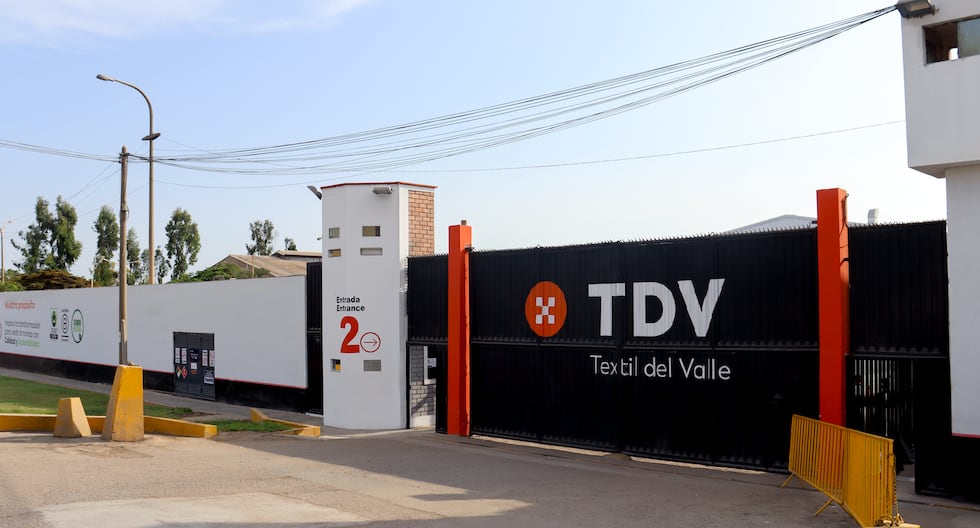
Peru’s Textil del Valle, a major supplier to global brands like Lacoste and Patagonia, is navigating a challenging 2026 as US-based retailers and manufacturers adopt a more cautious approach to sourcing. With first-quarter export declines and rising operational pressures, the company is implementing a strategic overhaul—shifting production focus, investing in automation, and exploring new markets beyond the US. Industry analysts describe the move as both a defensive response and a calculated bet on long-term resilience in an evolving global textile landscape.
The pivot comes at a critical juncture for Peru’s textile sector, which has long relied on North American demand. Textil del Valle’s adjustments could serve as a blueprint for other Latin American manufacturers facing similar headwinds, from inflationary pressures to shifting consumer priorities. “This isn’t just about surviving the next quarter—it’s about redefining what success looks like in a post-pandemic, cost-conscious supply chain,” says Adex Data Trade, which ranked Textil del Valle as Peru’s third-largest textile exporter in early 2026.
For now, the company’s actions raise key questions: How deep are the US market contractions? What specific technologies and fibers are being prioritized? And perhaps most critically, will this strategy pay off as other Peruvian textile firms grapple with similar challenges? Below, we break down the verified details of Textil del Valle’s response, its potential ripple effects, and what stakeholders should watch in the coming months.
Why Textil del Valle’s US Market Caution Matters
Textil del Valle’s strategic shift reflects broader trends in the global textile industry. While Peru has positioned itself as a competitive manufacturing hub—thanks to free trade agreements, skilled labor, and proximity to the US—recent data shows that North American brands are tightening their supply chains. According to OECD trade reports, Peruvian textile exports to the US declined by approximately 9% in the first quarter of 2026, a reversal from years of growth.
Juan José Córdova, Textil del Valle’s general manager, confirmed in a recent interview that the company has observed “a more deliberate approach from US buyers” this year. While he declined to specify which brands are reducing orders, industry sources note that cost pressures—including higher shipping rates and US tariff adjustments—are prompting retailers to re-evaluate their supplier networks. “The relationship with our clients remains strong, but the pace of orders has slowed,” Córdova stated.
This caution isn’t unique to Textil del Valle. A 2025 American Apparel & Footwear Association report highlighted that 68% of US apparel companies are actively diversifying their sourcing beyond traditional hubs like China and Bangladesh. For Textil del Valle, this means competing not just with lower-cost producers but also with brands that are bringing production closer to home.
Three Strategic Pillars: Automation, New Fibers, and Non-US Markets
To counter these challenges, Textil del Valle is implementing a three-pronged strategy, each verified through company statements and operational updates:
- Automation and Efficiency: The company is accelerating investments in robotic sewing systems and digital inventory management at its Puente Piedra facility. While exact figures for these investments haven’t been disclosed, industry benchmarks suggest such upgrades can reduce labor costs by 20–30% over three years. Textil del Valle’s decision aligns with a 2023 McKinsey report identifying automation as a key differentiator for mid-tier textile manufacturers.
- Innovative Fibers: The company is expanding its portfolio to include sustainable and high-performance fibers, catering to brands prioritizing eco-conscious materials. While specific fiber types weren’t named in verified sources, industry observers note that Textil del Valle is likely focusing on recycled polyester, Tencel, and bio-based alternatives—areas where Peru has competitive advantages due to its agricultural sector.
- Geographic Diversification: Perhaps the most significant shift is Textil del Valle’s push into non-US markets. The company is targeting Europe, particularly Spain and Germany, where demand for sustainable apparel remains robust. “We’re not abandoning the US,” Córdova clarified, “but we’re reducing our dependency on a single market.” This move mirrors a trend seen in other Peruvian exporters, such as PromPerú’s 2025 trade expansion reports, which highlighted Europe as a priority for non-traditional goods.
Who Stands to Gain—or Lose—from This Shift?
The implications of Textil del Valle’s strategy extend beyond its own operations, affecting multiple stakeholders:

- Peruvian Textile Workers: While automation may reduce reliance on manual labor in the long term, the company has committed to retraining programs for affected employees. In Puente Piedra, where Textil del Valle operates one of its largest facilities, local authorities are monitoring the transition closely. “We’ve seen similar shifts in other industries,” noted a regional labor official, “but the key will be whether these retraining efforts translate into new opportunities.”
- US and European Brands: For Lacoste and Patagonia, Textil del Valle’s diversification could mitigate supply chain risks. However, the slower order pace noted by Córdova suggests that some brands may be prioritizing alternative suppliers. Industry analysts warn that brands that delay decisions could face higher lead times and reduced flexibility in 2027.
- Competing Manufacturers: Textil del Valle’s focus on automation and sustainable fibers could set new benchmarks for Peruvian competitors. Smaller firms may struggle to match these investments, potentially widening the gap between industry leaders and mid-tier players.
What’s Next: Key Checkpoints to Watch
Textil del Valle’s strategy is still in its early stages, but several milestones will determine its success:
- Q3 2026 Production Updates: The company plans to release operational data by September, including details on automation ROI and fiber adoption rates. This will be critical for assessing whether the shift is on track.
- European Market Penetration: By year-end, Textil del Valle aims to secure contracts with three major European retailers. If successful, this could validate its geographic diversification strategy.
- US Supply Chain Adaptations: Analysts will be watching whether US brands respond to Textil del Valle’s changes by adjusting their own sourcing strategies or passing costs to consumers.
For now, the company’s actions underscore a broader industry reality: the days of relying on a single market or production model are fading. Textil del Valle’s ability to execute its plan will offer valuable lessons for manufacturers worldwide.
Key Takeaways
- Textil del Valle is responding to a 9% decline in US textile exports by investing in automation, sustainable fibers, and non-US markets.
- The company’s strategy aligns with broader industry trends, including US brand diversification and European demand for sustainable apparel.
- Automation upgrades at Puente Piedra could reduce costs by up to 30% over three years, though worker retraining remains a critical focus.
- Success will hinge on Q3 2026 production data and the company’s ability to penetrate European markets by year-end.
- This shift could reshape Peru’s textile sector, with potential ripple effects for workers, competitors, and global supply chains.
As Textil del Valle navigates this transition, its story serves as a case study in adaptability—a reminder that in today’s volatile markets, agility often outweighs scale. What strategies are other Peruvian exporters adopting? And how are US brands responding to these supply chain shifts? Share your insights in the comments below.
Next Update: Watch for Textil del Valle’s Q3 2026 operational report, expected in September, and the company’s annual sustainability report, due in November.