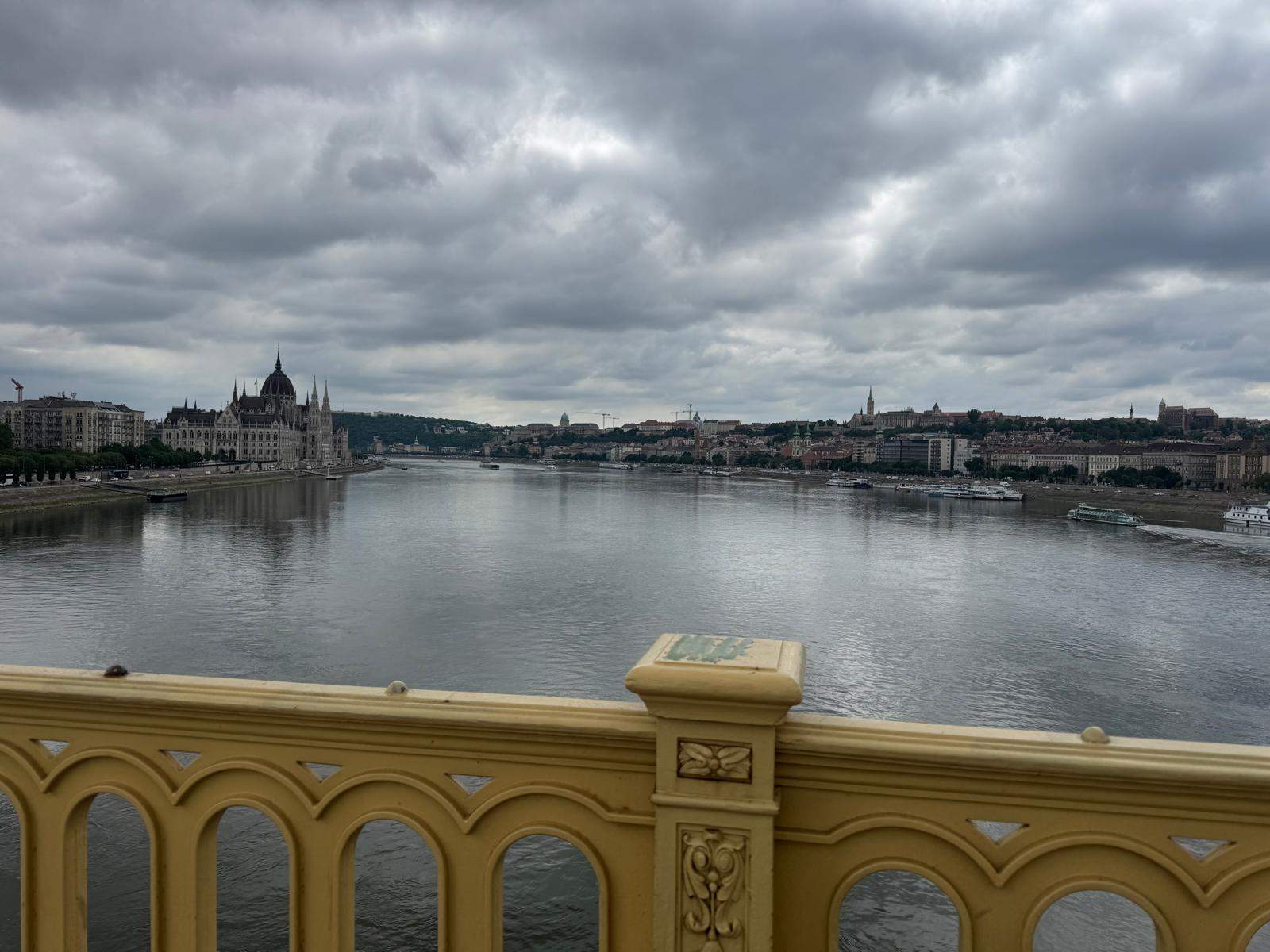
Historic drought conditions have triggered severe water shortages across major waterways and reservoirs. Lake Mead along the Colorado River plummeted to record lows on Friday, while plunging water levels in Europe’s Danube River exposed World War II military relics, a military motorcycle, and unexploded ordnance near Budapest.
Severe drought conditions and long-term overuse are drastically reshaping critical waterways across multiple continents. From the American Southwest to Central Europe, shrinking water volumes are laying bare historic artifacts and forcing emergency federal interventions to manage dwindling supplies.
Lake Mead Hits Record-Low Water Levels Along the Colorado River
Lake Mead, the largest reservoir in the United States, has plummeted to its lowest water level since filling roughly 90 years ago. Bureau of Reclamation shows water levels at the reservoir straddling the Arizona-Nevada border outside Las Vegas hit 1,040.4 feet above sea level. That reading dips just below the previous record set on July 28, 2022.
The drop underscores an intensifying crisis across the Colorado River system, driven by years of overuse, rising temperatures, and persistent drought. The situation is particularly acute at the river’s source in the Rocky Mountains, where winter brought the worst snowpack on record for the Colorado River Basin. Melting snow normally supplies vital water for the waterway, but the shortfall is heavily stressing farmers, wildlife, industry, hydropower producers, and roughly 40 million people across seven U.S. states, tribal nations, and Mexico.
J.B. Hamby, chairman of the Colorado River Board of California and board member of the Imperial Irrigation District, stated via apnews.com that the situation is extremely significant and extremely concerning, noting that three-quarters of the population of the Colorado River Basin, amounting to some 30 million people, are directly impacted by risks to Lake Mead.
Hamby emphasized that it is vital for states utilizing Colorado River water to curtail consumption. Depleting levels at both Lake Mead and Lake Powell—the nation’s second-largest reservoir—have reached their lowest points in nearly seven decades.
Federal Intervention and Lower Basin Water Restrictions
To protect the strained system’s capacity to generate hydropower, federal officials announced that they will withhold the release of cool water from Lake Powell at Glen Canyon Dam in northern Arizona. The measure aims to safeguard the habitat of the humpback chub, a threatened native fish residing between the reservoirs.
The action follows a breakdown in long-term negotiations among California, Colorado, Arizona, Nevada, New Mexico, Wyoming, and Utah over sharing the dwindling resource. Because those states failed to reach a permanent agreement, federal authorities released a short-term proposal requiring the Lower Basin states of Arizona, California, and Nevada to consume less water.
According to federal modeling released in July, Lake Mead is forecast to continue dropping through the remainder of the year. The crisis echoes severe conditions from 2022, when plunging reservoir levels exposed human remains and forced Las Vegas water officials to draw water from deeper within Lake Mead to maintain supplies for millions of residents.
Lower Danube Water Levels Expose World War II Relics
Meanwhile, long-term sapping and record-low water levels in Europe’s Danube River have surfaced decades-old military history. Following a persistent dry spell, receding waters in Budapest revealed artifacts dating back more than 80 years to the final stages of World War II, according to reporting from the region.
The discovery began on August 2 when a passerby spotted a motorcycle piece protruding from the rocks along the Danube bank. Specialists searching the area subsequently recovered the skeletal remains of two German soldiers, a wedding ring, military identification tags, and a Kubanas shield—a Wehrmacht combat award.
Information provided by the German War Graves Commission indicates that one identification tag belonged to a regular Wehrmacht soldier, while the second belonged to a member of the Waffen-SS unit. The recovery site also contained unexploded anti-tank mines, prompting temporary closures of the Danube embankment while bomb disposal specialists cleared the ordnance.
Arne Schrader, a representative of the German War Graves Commission, stated via LA that a kind of puzzle is now beginning in which they will try to determine the identity of both deceased individuals.
Commission experts explained that river silt and oil helped preserve several items in remarkably good condition. The recovered motorcycle is believed to be a DKW NZ 350-1 model manufactured for military use starting in 1944. Investigators plan to conduct bone analyses and cross-reference identification tags to establish the soldiers’ identities, noting that families likely never received official notification of their deaths due to the chaotic end of the war in Budapest, which saw intense fighting between the Soviet Red Army and the German Wehrmacht.
Keep reading