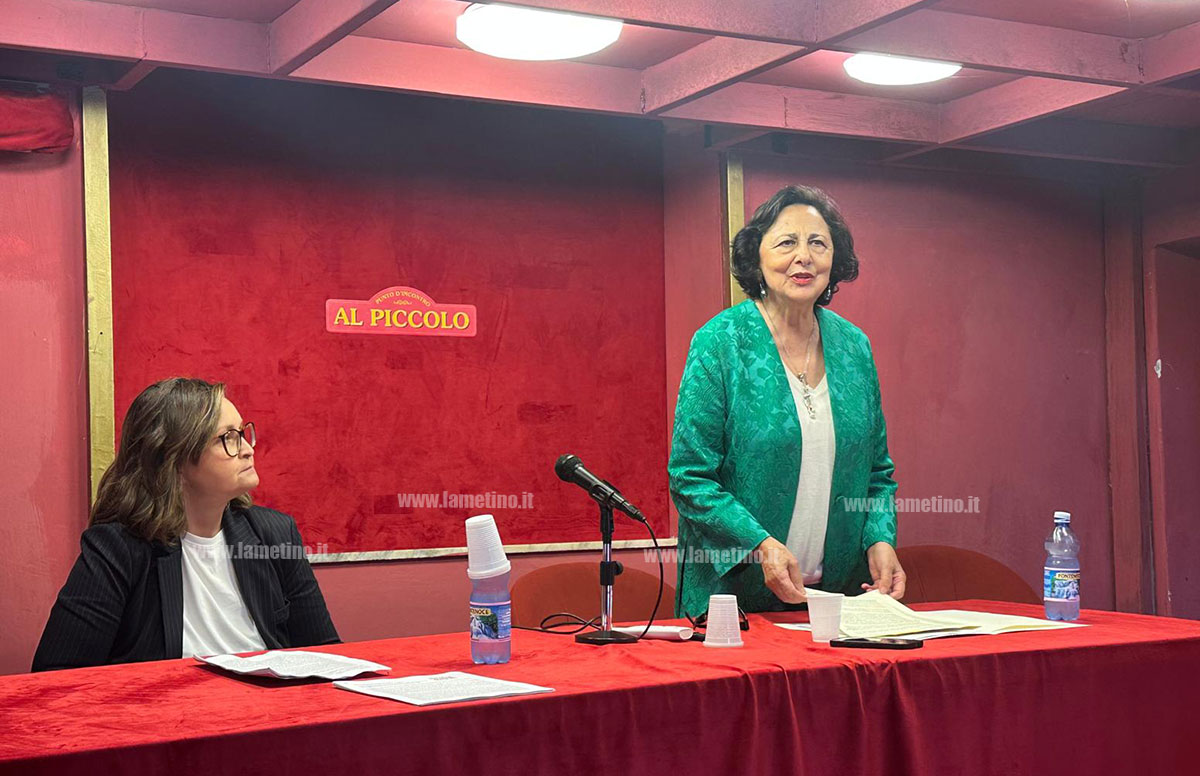
In a significant push for civic reform in Calabria, the Lamezia Terme-based association “Una città dove vivere bene” (A city where it is good to live) has introduced a strategic framework aimed at overhauling the municipality’s approach to social welfare. The initiative, organized under the theme “Social policies: facing emergencies while looking to the future,” seeks to transition the local administration from a reactive, crisis-management model to a proactive and sustainable social strategy.
The proposal comes at a critical juncture for Lamezia Terme, as local authorities grapple with the complexities of modern urban social needs. By highlighting the tension between immediate “emergencies” and long-term “future” planning, the association is calling for a fundamental shift in how social services are prioritized, funded, and implemented within the community.
Moving Beyond Reactive Crisis Management
For many local governments, social policy is often synonymous with “emergency management.” This approach focuses on addressing immediate crises—such as sudden spikes in poverty, housing instability, or acute healthcare needs—as they arise. While essential for immediate relief, this model is frequently criticized for being resource-intensive and failing to address the underlying systemic causes of social vulnerability.
The core argument presented by Una città dove vivere bene suggests that a purely reactive stance leaves the community in a perpetual cycle of crisis. According to the association’s thematic focus, the current reliance on emergency-driven social services may inadvertently prevent the development of the robust, preventative structures necessary for a stable urban environment. The goal is to move toward a model where social interventions are designed to mitigate risks before they escalate into full-scale emergencies.
The Vision: A Multi-Generational Social Strategy
The “looking to the future” component of the association’s theme emphasizes the need for long-term investment in social infrastructure. This involves creating programs that address the evolving demographic and economic realities of Lamezia Terme. Key pillars of such a future-oriented strategy typically include:
- Sustainable Support Systems: Developing welfare programs that are not dependent on temporary funding but are integrated into the municipal budget and long-term urban planning.
- Preventative Social Services: Shifting resources toward early intervention programs, such as youth engagement, elderly care support, and vocational training, to reduce the future demand for emergency services.
- Community Resilience: Building social networks and local institutional capacity that allow the city to absorb economic or social shocks more effectively.
By framing the discussion around these two poles—emergency and future—the association is challenging local stakeholders to reconsider the lifecycle of social policy. The implication is clear: addressing today’s crises is necessary, but it must not come at the expense of the tools required to prevent tomorrow’s.
The Intersection of Innovation and Social Welfare
From a systemic perspective, transitioning from emergency response to long-term planning requires more than just a change in philosophy; it requires better data and more efficient organizational structures. As social services become increasingly complex, the ability to predict trends—such as shifts in local employment or changes in the dependency ratio of the aging population—becomes paramount.
Modernizing social policy also implies an integration of digital and analytical tools. A “future-looking” city is one that utilizes data to identify vulnerable sectors of the population before they reach a breaking point. While the specific technological implementations have not been detailed in the initial proposal, the move toward long-term planning naturally invites a more sophisticated, data-driven approach to municipal governance.
The Role of Civic Engagement in Local Governance
The involvement of Una città dove vivere bene underscores a growing trend in Italian local governance: the rise of civic associations as active participants in policy debate. Rather than acting solely as service providers, these organizations are increasingly stepping into the role of policy architects, providing a bridge between the lived experiences of citizens and the administrative actions of the municipality.

By presenting these themes to the public and local officials, the association is fostering a broader dialogue about what constitutes a “livable” city. This type of civic engagement is vital for ensuring that social policies are not just top-down mandates, but are instead responsive to the actual needs and aspirations of the Lamezia Terme community.
Key Takeaways:
- Strategic Shift: The association advocates for a move from reactive “emergency” management to proactive “future” planning.
- Core Theme: The initiative is centered on the concept of “Social policies: facing emergencies while looking to the future.”
- Civic Leadership: Una città dove vivere bene is positioning itself as a key voice in the reform of Lamezia Terme’s social welfare landscape.
- Sustainability Goal: The ultimate aim is to create a resilient social infrastructure that can withstand long-term economic and demographic shifts.
As the proposal gains traction, the next critical phase will be the formal response from Lamezia Terme’s municipal administration. Observers will be watching to see how much of this strategic vision is integrated into upcoming local government budgets and social service mandates.
What are your thoughts on the balance between emergency response and long-term social planning in your own community? Share your views in the comments below and share this article to spark the conversation.
Worth a look