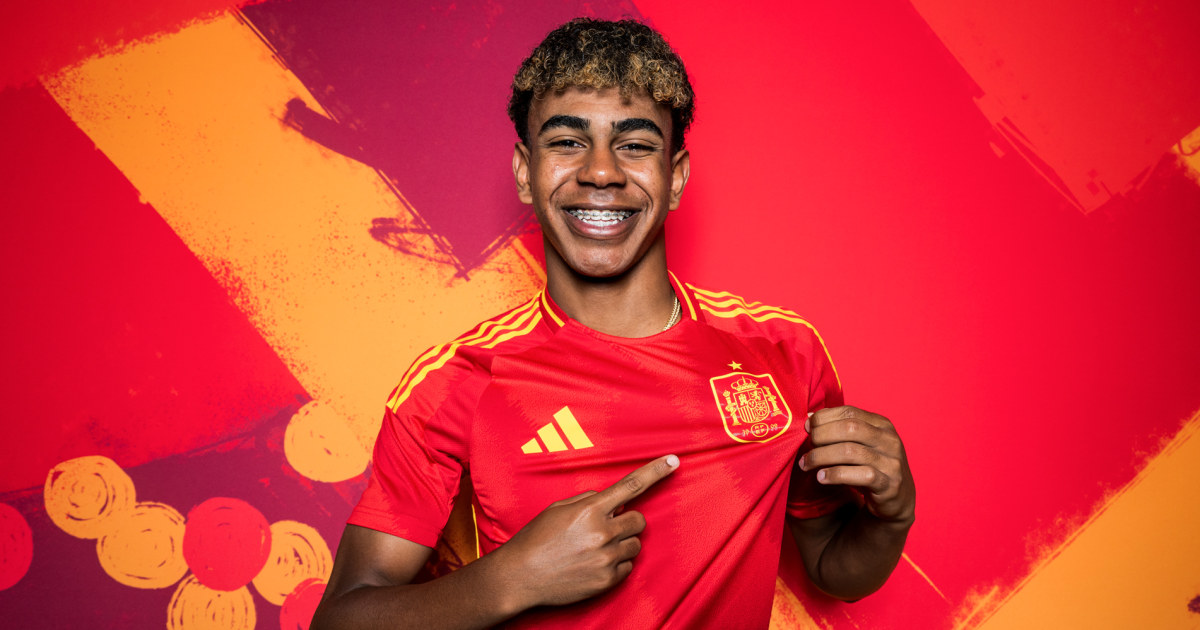
Lamine Yamal and Erling Haaland are leading a new cohort of elite football talent expected to shape the landscape of the 2026 FIFA World Cup. As the era dominated by Lionel Messi and Cristiano Ronaldo concludes, these players—alongside emerging talents like Jude Bellingham and Endrick—are transitioning from high-potential prospects to central figures in international football.
The shift in global football is characterized by an earlier integration of teenage players into top-tier club and national team rosters. While previous generations often required several years of professional seasoning, current stars are making significant impacts in major tournaments before reaching their 20th birthdays. This trend is most visible in the performances of Spain’s Lamine Yamal, who became a cornerstone of the national team during their Euro 2024 campaign, and Norway’s Erling Haaland, whose scoring rates have set new benchmarks in the English Premier League.
How Lamine Yamal and Erling Haaland are redefining player roles
Lamine Yamal has emerged as a primary driver of Spain’s offensive tactical structure. Playing for FC Barcelona, the 17-year-old winger has demonstrated a technical proficiency that defies his age. According to BBC Sport, Yamal’s performance during the UEFA Euro 2024 tournament was instrumental in Spain securing the championship, marking him as one of the most significant teenage talents in the history of the competition.
Yamal’s playing style focuses on high-volume dribbling and creative playmaking from the right flank. Unlike traditional wingers who prioritize pure speed, Yamal utilizes spatial awareness and close control to manipulate defensive lines. This approach has made him a focal point for both his club and the Spanish national team, providing a bridge between the midfield and the attack.
In contrast to Yamal’s technical finesse, Erling Haaland represents the evolution of the physical “number nine” striker. The Manchester City forward has utilized his height, strength, and explosive movement to dominate defensive units in the Premier League. Data from the Premier League confirms Haaland’s ability to maintain high conversion rates, making him one of the most efficient goal-scoring machines in the modern era.
While Yamal operates in the spaces between defenders, Haaland operates within them, specializing in clinical finishing and positional dominance. This distinction highlights the diversity of the “next generation,” which includes both highly specialized technical players and physically dominant athletes capable of overwhelming professional defenses.
Who are the standout talents for the 2026 World Cup?
The 2026 FIFA World Cup, hosted by Canada, Mexico, and the United States, will serve as the primary stage for these rising stars to cement their legacies. Beyond Yamal and Haaland, several other players are tracking toward elite status based on current club form and international involvement.
- Jude Bellingham (England): Currently a central figure for Real Madrid, Bellingham has demonstrated the ability to influence matches both defensively and offensively. His transition into a complete midfielder has made him a vital component of the England national team’s tactical planning.
- Endrick (Brazil): The young striker’s move to Real Madrid has intensified scrutiny of his development. As a key prospect for the Brazilian national team, Endrick represents the next wave of South American attacking talent.
- Kobbie Mainoo (England): A rising presence in the Manchester United midfield, Mainoo has shown composure in high-pressure international fixtures, suggesting a long-term role in England’s midfield rotation.
- Arda Güler (Turkey): The Real Madrid midfielder has gained attention for his vision and set-piece ability, positioning him as a potential talisman for the Turkish national team.
The integration of these players into their respective national teams is not merely a matter of potential but of immediate necessity. As older players retire from international duty, the tactical frameworks of major footballing nations are being rebuilt around these younger, more dynamic athletes.
Comparative Analysis of Emerging Elite Talents
To understand the different archetypes present in this new generation, the following table compares the primary attributes and current roles of three leading prospects.

| Player | Primary Role | Key Strength | Current Club |
|---|---|---|---|
| Lamine Yamal | Creative Winger | Dribbling & Playmaking | FC Barcelona |
| Erling Haaland | Center Forward | Finishing & Physicality | Manchester City |
| Jude Bellingham | Box-to-Box Midfielder | Versatility & Control | Real Madrid |
What happens next for these players?
The immediate challenge for these players is maintaining consistency while managing the physical demands of both club and international football. The increased number of matches in the modern football calendar poses a significant risk of injury and burnout for younger athletes. For players like Yamal, the pressure to perform for a high-profile club like Barcelona, while simultaneously carrying the expectations of the Spanish national team, requires significant mental and physical resilience.
Clubs and national federations are increasingly employing advanced sports science to monitor these talents. The objective is to balance competitive involvement with workload management to ensure these players reach their peak during major tournaments like the 2026 World Cup.
Furthermore, the commercial landscape surrounding these players is expanding. As they become the faces of global brands, the intersection of athletic performance and commercial responsibility becomes a new facet of their professional development. This dual pressure is a hallmark of the modern superstar era.
Key Takeaways
- A new generation of players, led by Lamine Yamal and Erling Haaland, is preparing to dominate the 2026 FIFA World Cup.
- The current era is defined by the early integration of teenagers into elite-level professional football.
- Tactical diversity is increasing, with players specializing in roles ranging from technical playmaking to physical dominance.
- Workload management and injury prevention are critical factors in the long-term development of these young athletes.
The next major milestone for these players will be the conclusion of their respective domestic league seasons and the subsequent international breaks, where continued performance will dictate their standing in the global rankings.
How do you think these young talents will impact the 2026 World Cup? Share your thoughts in the comments below and share this article with your fellow football fans.
Worth a look