
Recent data indicates a shifting landscape in residential property maintenance, with rental property owners demonstrating a higher propensity for energy-efficient renovations compared to owner-occupiers. This trend, observed across various European markets, reflects both the tightening of environmental regulations and the strategic necessity for landlords to maintain the competitive value of their assets in an era of increasing energy costs.
As the Chief Editor at World Today Journal, I have spent nearly two decades analyzing how regulatory shifts influence property markets. What we are witnessing is not merely a change in consumer behavior, but a direct response to legislative pressures aimed at decarbonizing the building sector. When we look at the data, the contrast between those who own their primary residence and those who manage rental portfolios is becoming increasingly stark.
Drivers Behind the Renovation Gap
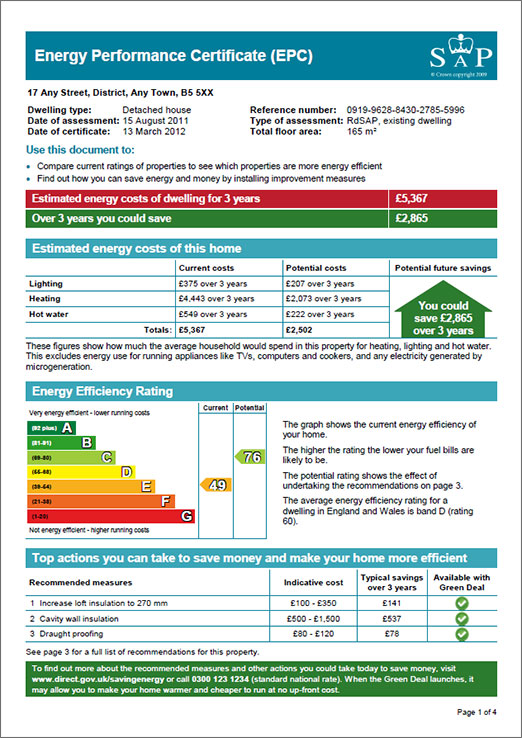
The primary factor driving landlords to prioritize renovations is the increasing stringency of Energy Performance Certificate (EPC) requirements. In many jurisdictions, including those within the European Union, rental properties are now subject to strict minimum energy efficiency standards. Failure to meet these benchmarks can lead to significant financial penalties or, in some cases, the legal inability to lease the property.
According to reports from the European Commission on the “Renovation Wave” strategy, building renovations are essential to meeting the continent’s climate neutrality goals by 2050. The initiative explicitly highlights the role of the rental sector, where the “split incentive” problem—where landlords bear the cost while tenants reap the energy-saving benefits—is being mitigated through various national subsidy programs and tax incentives designed to lower the barrier to entry for property owners. You can track the progress of these standards and available financial support through the official European Commission portal.
The Owner-Occupier Perspective
In contrast, owner-occupiers often face a different set of obstacles. While they benefit directly from lower monthly utility bills following a renovation, the upfront capital expenditure remains a significant hurdle. Without the same regulatory “stick” that landlords face—such as the threat of being barred from the rental market—many homeowners opt to defer major energy retrofits.

Furthermore, the decision-making process for an owner-occupier is deeply personal and often tied to long-term residency plans. Market analysis from the European Central Bank (ECB) suggests that high interest rates have further dampened the appetite for renovation loans among private households, as consumers prioritize debt reduction or liquidity over property upgrades. Detailed insights into how macroeconomic conditions impact household investment can be found in the ECB’s recent economic bulletins.
What This Means for the Housing Market
This divergence in renovation activity has significant implications for the future of urban housing. We are likely to see a “green premium” emerge in the rental market, where properties with high energy efficiency ratings command higher rents and experience lower vacancy rates. Conversely, older, unrenovated housing stock held by owner-occupiers may face a “brown discount,” potentially impacting the long-term equity of those properties.
For investors and homeowners alike, the next steps involve careful monitoring of national building codes. Many countries are currently updating their national energy and climate plans (NECPs) to align with the latest EU directives. Staying informed about these updates is critical for anyone managing property assets. You can review the status of your country’s specific commitments via the European Climate Action website.
Looking Ahead
The coming year will likely see an intensification of these trends as more stringent energy labels become mandatory for rental listings. Governments are expected to release revised subsidy structures in the next budget cycles to encourage further uptake among both landlords and private homeowners. As these policies evolve, the gap in renovation rates may narrow, but for now, the investment pressure remains firmly on the rental sector.
I encourage our readers to share their own experiences with property renovation in the comments section below. Have you found the transition to energy-efficient systems manageable, or have regulatory hurdles proven too high? Your insights help us build a more comprehensive picture of the global property market.
Related reading